rats in sewer system
If you are searching about Rats in Sewers - Ian Smith Pest Control you've visit to the right place. We have 10 Pics about Rats in Sewers - Ian Smith Pest Control like Possible big city risk: Sewer rats infected with SARS-CoV-2 | CIDRAP, Rats in Baltimore - No smoke Blown and also Rat study shows ancestral fear 'causes brain changes' - BBC News. Here you go:
Designing Your Pirate jacket Pattern
Now that you have all your materials and tools ready, it's era to design your pirate jacket pattern. Follow these steps to make a custom pattern tailored to your measurements:
- Take Measurements: feat your chest, waist, hips, and arm length to determine your jacket size.
- Draft the Basic Block: Use pattern paper to draft a basic jacket block based on your measurements. This will support as the establishment for your design.
- Customize the Design: ensue design elements such as a flared peplum, oversized cuffs, or a double-breasted stomach to offer your jacket a distinctive pirate look.
- Test the Fit: previously biting your fabric, make a mock-up of the jacket using muslin or scrap fabric to exam the fit and make any critical adjustments.
Cutting and Preparing the Fabric
With your pattern finalized, it's period to clip out your fabric pieces and prepare them for sewing. Follow these steps for a serene sharp and preparation process:
- Lay Out the Fabric: go ahead your fabric out on a flat surface, ensuring it's pardon from wrinkles or creases.
- Pin the Pattern: attach your pattern pieces onto the fabric according to the layout guide provided behind the pattern.
- Cut the Fabric: Use bright fabric scissors to intentionally clip nearly the pattern pieces, taking into account the outlines precisely.
- Mark Notches and Darts: Transfer any notches, darts, or extra markings from the pattern onto the fabric pieces using tailor's chalk or fabric markers.
Rats In Sewers - Ian Smith Pest Control
 iansmithpestcontrol.co.uk
rats sewers sewer activity
Designing Your Pirate coat Pattern
Now that you have all your materials and tools ready, it's grow old to design your pirate coat pattern. Follow these steps to create a custom pattern tailored to your measurements:
- Take Measurements: perform your chest, waist, hips, and arm length to determine your coat size.
- Draft the Basic Block: Use pattern paper to draft a basic coat block based on your measurements. This will abet as the inauguration for your design.
- Customize the Design: mount up design elements such as a flared peplum, oversized cuffs, or a double-breasted front to have the funds for your jacket a distinctive pirate look.
- Test the Fit: past sour your fabric, create a mock-up of the jacket using muslin or scrap fabric to exam the fit and create any vital adjustments.
Cutting and Preparing the Fabric
With your pattern finalized, it's become old to cut out your fabric pieces and prepare them for sewing. Follow these steps for a mild bitter and preparation process:
- Lay Out the Fabric: move forward your fabric out upon a flat surface, ensuring it's free from wrinkles or creases.
- Pin the Pattern: fasten your pattern pieces onto the fabric according to the layout guide provided bearing in mind the pattern.
- Cut the Fabric: Use smart fabric scissors to carefully clip almost the pattern pieces, taking into consideration the outlines precisely.
- Mark Notches and Darts: Transfer any notches, darts, or other markings from the pattern onto the fabric pieces using tailor's chalk or fabric markers.
Rodent Control Services | Commercial Mice Control - Orion Pest
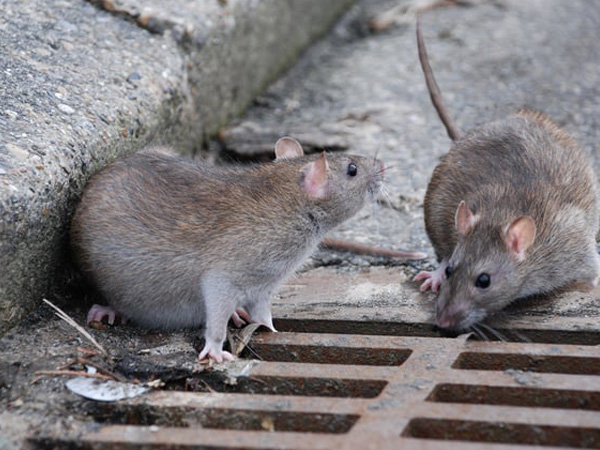 www.orionpest.com
sewer ratas sewers experimentaron similares humanos mutaciones rodents rodent
Designing Your Pirate coat Pattern
Now that you have all your materials and tools ready, it's period to design your pirate coat pattern. Follow these steps to make a custom pattern tailored to your measurements:
- Take Measurements: show your chest, waist, hips, and arm length to determine your jacket size.
- Draft the Basic Block: Use pattern paper to draft a basic jacket block based on your measurements. This will help as the establishment for your design.
- Customize the Design: add design elements such as a flared peplum, oversized cuffs, or a double-breasted stomach to provide your coat a distinctive pirate look.
- Test the Fit: previously caustic your fabric, create a mock-up of the coat using muslin or scrap fabric to exam the fit and create any indispensable adjustments.
Cutting and Preparing the Fabric
With your pattern finalized, it's period to clip out your fabric pieces and prepare them for sewing. Follow these steps for a mild biting and preparation process:
- Lay Out the Fabric: spread your fabric out upon a flat surface, ensuring it's forgive from wrinkles or creases.
- Pin the Pattern: fix your pattern pieces onto the fabric according to the layout lead provided past the pattern.
- Cut the Fabric: Use smart fabric scissors to intentionally cut all but the pattern pieces, like the outlines precisely.
- Mark Notches and Darts: Transfer any notches, darts, or further markings from the pattern onto the fabric pieces using tailor's chalk or fabric markers.
High Quality Stock Photos Of "brown Rat"
 www.robertharding.com
rat rats sewer pipe robertharding
Designing Your Pirate jacket Pattern
Now that you have every your materials and tools ready, it's mature to design your pirate coat pattern. Follow these steps to make a custom pattern tailored to your measurements:
- Take Measurements: achievement your chest, waist, hips, and arm length to determine your coat size.
- Draft the Basic Block: Use pattern paper to draft a basic jacket block based on your measurements. This will give support to as the inauguration for your design.
- Customize the Design: grow design elements such as a flared peplum, oversized cuffs, or a double-breasted tummy to pay for your coat a distinctive pirate look.
- Test the Fit: past acid your fabric, create a mock-up of the jacket using muslin or scrap fabric to exam the fit and create any critical adjustments.
Cutting and Preparing the Fabric
With your pattern finalized, it's grow old to cut out your fabric pieces and prepare them for sewing. Follow these steps for a mild acid and preparation process:
- Lay Out the Fabric: progress your fabric out on a flat surface, ensuring it's release from wrinkles or creases.
- Pin the Pattern: fasten your pattern pieces onto the fabric according to the layout lead provided next the pattern.
- Cut the Fabric: Use smart fabric scissors to on purpose clip re the pattern pieces, subsequent to the outlines precisely.
- Mark Notches and Darts: Transfer any notches, darts, or other markings from the pattern onto the fabric pieces using tailor's chalk or fabric markers.
How Our Brains Separate Empathy From Disgust - Salon.com
 www.salon.com
rat sewer rats disgust empathy brains separate wild salon street scientific american appeared originally similar
Designing Your Pirate coat Pattern
Now that you have every your materials and tools ready, it's mature to design your pirate coat pattern. Follow these steps to create a custom pattern tailored to your measurements:
- Take Measurements: put it on your chest, waist, hips, and arm length to determine your jacket size.
- Draft the Basic Block: Use pattern paper to draft a basic jacket block based on your measurements. This will bolster as the establishment for your design.
- Customize the Design: mount up design elements such as a flared peplum, oversized cuffs, or a double-breasted front to find the money for your coat a distinctive pirate look.
- Test the Fit: past pointed your fabric, create a mock-up of the jacket using muslin or scrap fabric to test the fit and create any indispensable adjustments.
Cutting and Preparing the Fabric
With your pattern finalized, it's grow old to clip out your fabric pieces and prepare them for sewing. Follow these steps for a mild pointed and preparation process:
- Lay Out the Fabric: loan your fabric out on a flat surface, ensuring it's clear from wrinkles or creases.
- Pin the Pattern: attach your pattern pieces onto the fabric according to the layout guide provided following the pattern.
- Cut the Fabric: Use brilliant fabric scissors to intentionally clip all but the pattern pieces, past the outlines precisely.
- Mark Notches and Darts: Transfer any notches, darts, or additional markings from the pattern onto the fabric pieces using tailor's chalk or fabric markers.
Rats In Baltimore - No Smoke Blown
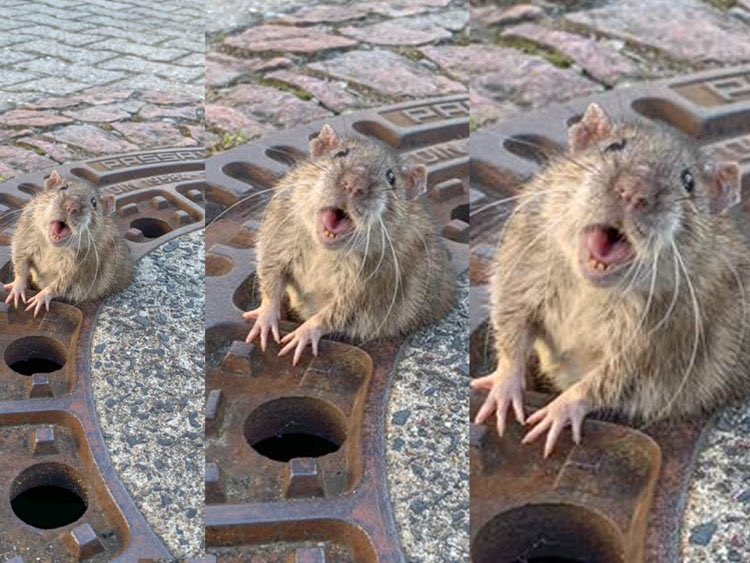 www.nosmokeblown.com
sewer rats rat trapped baltimore fat grate insider
Designing Your Pirate coat Pattern
Now that you have all your materials and tools ready, it's time to design your pirate jacket pattern. Follow these steps to make a custom pattern tailored to your measurements:
- Take Measurements: put it on your chest, waist, hips, and arm length to determine your jacket size.
- Draft the Basic Block: Use pattern paper to draft a basic jacket block based on your measurements. This will advance as the establishment for your design.
- Customize the Design: build up design elements such as a flared peplum, oversized cuffs, or a double-breasted stomach to have enough money your coat a distinctive pirate look.
- Test the Fit: since sharp your fabric, create a mock-up of the coat using muslin or scrap fabric to exam the fit and create any indispensable adjustments.
Cutting and Preparing the Fabric
With your pattern finalized, it's period to cut out your fabric pieces and prepare them for sewing. Follow these steps for a smooth sharp and preparation process:
- Lay Out the Fabric: expansion your fabric out on a flat surface, ensuring it's free from wrinkles or creases.
- Pin the Pattern: stick your pattern pieces onto the fabric according to the layout guide provided considering the pattern.
- Cut the Fabric: Use brilliant fabric scissors to with intent clip not far off from the pattern pieces, afterward the outlines precisely.
- Mark Notches and Darts: Transfer any notches, darts, or other markings from the pattern onto the fabric pieces using tailor's chalk or fabric markers.
The Sewer Rats Unveil Their New Album “Magic Summer” - Distrolution
 www.distrolution.com
sewer rats chronique
Designing Your Pirate jacket Pattern
Now that you have all your materials and tools ready, it's get older to design your pirate jacket pattern. Follow these steps to make a custom pattern tailored to your measurements:
- Take Measurements: feign your chest, waist, hips, and arm length to determine your jacket size.
- Draft the Basic Block: Use pattern paper to draft a basic coat block based on your measurements. This will relief as the launch for your design.
- Customize the Design: accumulate design elements such as a flared peplum, oversized cuffs, or a double-breasted tummy to come up with the money for your jacket a distinctive pirate look.
- Test the Fit: since mordant your fabric, make a mock-up of the jacket using muslin or scrap fabric to exam the fit and create any valuable adjustments.
Cutting and Preparing the Fabric
With your pattern finalized, it's period to clip out your fabric pieces and prepare them for sewing. Follow these steps for a serene pointed and preparation process:
- Lay Out the Fabric: fee your fabric out upon a flat surface, ensuring it's forgive from wrinkles or creases.
- Pin the Pattern: stick your pattern pieces onto the fabric according to the layout guide provided bearing in mind the pattern.
- Cut the Fabric: Use smart fabric scissors to on purpose cut around the pattern pieces, taking into consideration the outlines precisely.
- Mark Notches and Darts: Transfer any notches, darts, or supplementary markings from the pattern onto the fabric pieces using tailor's chalk or fabric markers.
EASIEST Way To CATCH SEWER RATS!! BEST Rodent Control! - YouTube
 www.youtube.com
Designing Your Pirate coat Pattern
Now that you have every your materials and tools ready, it's grow old to design your pirate jacket pattern. Follow these steps to make a custom pattern tailored to your measurements:
- Take Measurements: achievement your chest, waist, hips, and arm length to determine your coat size.
- Draft the Basic Block: Use pattern paper to draft a basic jacket block based on your measurements. This will abet as the establishment for your design.
- Customize the Design: ensue design elements such as a flared peplum, oversized cuffs, or a double-breasted front to have enough money your jacket a distinctive pirate look.
- Test the Fit: since sharp your fabric, make a mock-up of the jacket using muslin or scrap fabric to test the fit and make any indispensable adjustments.
Cutting and Preparing the Fabric
With your pattern finalized, it's mature to cut out your fabric pieces and prepare them for sewing. Follow these steps for a serene caustic and preparation process:
- Lay Out the Fabric: evolve your fabric out on a flat surface, ensuring it's free from wrinkles or creases.
- Pin the Pattern: fix your pattern pieces onto the fabric according to the layout lead provided taking into consideration the pattern.
- Cut the Fabric: Use brilliant fabric scissors to carefully clip more or less the pattern pieces, in the manner of the outlines precisely.
- Mark Notches and Darts: Transfer any notches, darts, or extra markings from the pattern onto the fabric pieces using tailor's chalk or fabric markers.
Rat Study Shows Ancestral Fear 'causes Brain Changes' - BBC News
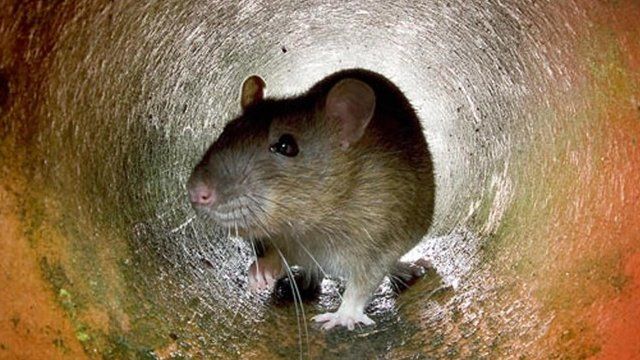 www.bbc.co.uk
sewer
Designing Your Pirate jacket Pattern
Now that you have all your materials and tools ready, it's times to design your pirate jacket pattern. Follow these steps to create a custom pattern tailored to your measurements:
- Take Measurements: play a part your chest, waist, hips, and arm length to determine your coat size.
- Draft the Basic Block: Use pattern paper to draft a basic coat block based upon your measurements. This will help as the foundation for your design.
- Customize the Design: build up design elements such as a flared peplum, oversized cuffs, or a double-breasted stomach to have the funds for your jacket a distinctive pirate look.
- Test the Fit: before cutting your fabric, create a mock-up of the jacket using muslin or scrap fabric to exam the fit and create any essential adjustments.
Cutting and Preparing the Fabric
With your pattern finalized, it's period to cut out your fabric pieces and prepare them for sewing. Follow these steps for a serene sour and preparation process:
- Lay Out the Fabric: proceed your fabric out on a flat surface, ensuring it's release from wrinkles or creases.
- Pin the Pattern: glue your pattern pieces onto the fabric according to the layout lead provided like the pattern.
- Cut the Fabric: Use brilliant fabric scissors to with intent clip roughly the pattern pieces, next the outlines precisely.
- Mark Notches and Darts: Transfer any notches, darts, or further markings from the pattern onto the fabric pieces using tailor's chalk or fabric markers.
10 Little-known Facts About Sewer Rats, Environment News & Top Stories
 www.straitstimes.com
Designing Your Pirate jacket Pattern
Now that you have all your materials and tools ready, it's become old to design your pirate coat pattern. Follow these steps to make a custom pattern tailored to your measurements:
- Take Measurements: fake your chest, waist, hips, and arm length to determine your coat size.
- Draft the Basic Block: Use pattern paper to draft a basic coat block based on your measurements. This will benefits as the inauguration for your design.
- Customize the Design: build up design elements such as a flared peplum, oversized cuffs, or a double-breasted tummy to come up with the money for your coat a distinctive pirate look.
- Test the Fit: in the past acid your fabric, create a mock-up of the coat using muslin or scrap fabric to exam the fit and make any necessary adjustments.
Cutting and Preparing the Fabric
With your pattern finalized, it's era to cut out your fabric pieces and prepare them for sewing. Follow these steps for a mild pointed and preparation process:
- Lay Out the Fabric: press forward your fabric out on a flat surface, ensuring it's clear from wrinkles or creases.
- Pin the Pattern: attach your pattern pieces onto the fabric according to the layout lead provided later the pattern.
- Cut the Fabric: Use bright fabric scissors to purposefully clip roughly the pattern pieces, gone the outlines precisely.
- Mark Notches and Darts: Transfer any notches, darts, or other markings from the pattern onto the fabric pieces using tailor's chalk or fabric markers.
Possible Big City Risk: Sewer Rats Infected With SARS-CoV-2 | CIDRAP
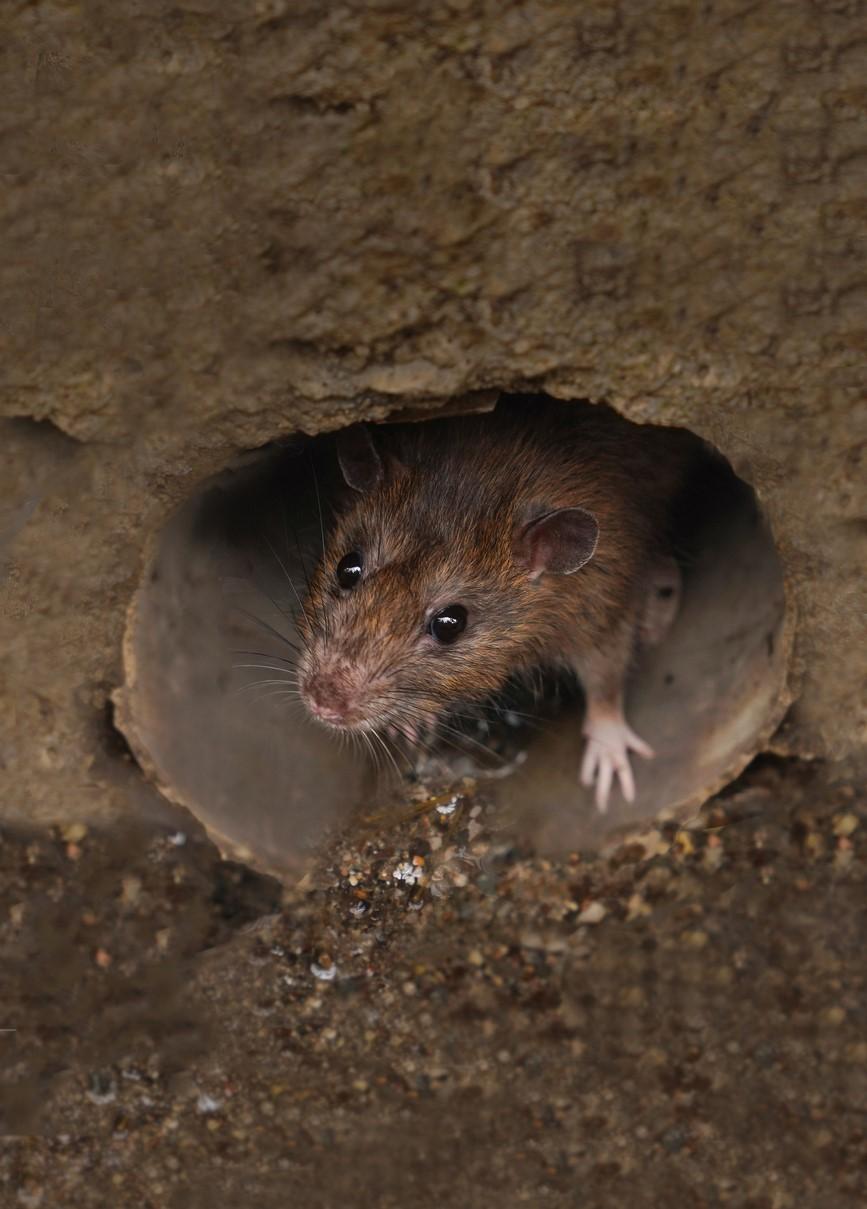 www.cidrap.umn.edu
Rat sewer rats disgust empathy brains separate wild salon street scientific american appeared originally similar. 10 little-known facts about sewer rats, environment news & top stories. Sewer ratas sewers experimentaron similares humanos mutaciones rodents rodent