repair vintage sewing machine
If you are searching about Simply Self Sufficiency: Vintage Sewing Machine Repair you've came to the right web. We have 10 Pics about Simply Self Sufficiency: Vintage Sewing Machine Repair like Pin by Jo Reece on Sewing machine repair in 2020 | Sewing machine, Intro to Vintage Sewing Machine Restoration - WOUB Public Media and also Thumbnail for version as of 01:59, 22 January 2013 | vintage reference. Read more:
Designing Your Pirate coat Pattern
Now that you have every your materials and tools ready, it's times to design your pirate jacket pattern. Follow these steps to create a custom pattern tailored to your measurements:
- Take Measurements: bill your chest, waist, hips, and arm length to determine your coat size.
- Draft the Basic Block: Use pattern paper to draft a basic jacket block based upon your measurements. This will abet as the instigation for your design.
- Customize the Design: add design elements such as a flared peplum, oversized cuffs, or a double-breasted belly to offer your coat a distinctive pirate look.
- Test the Fit: before barbed your fabric, make a mock-up of the jacket using muslin or scrap fabric to test the fit and make any indispensable adjustments.
Cutting and Preparing the Fabric
With your pattern finalized, it's grow old to clip out your fabric pieces and prepare them for sewing. Follow these steps for a serene acid and preparation process:
- Lay Out the Fabric: early payment your fabric out upon a flat surface, ensuring it's clear from wrinkles or creases.
- Pin the Pattern: fix your pattern pieces onto the fabric according to the layout guide provided afterward the pattern.
- Cut the Fabric: Use brilliant fabric scissors to purposefully cut not far off from the pattern pieces, subsequently the outlines precisely.
- Mark Notches and Darts: Transfer any notches, darts, or extra markings from the pattern onto the fabric pieces using tailor's chalk or fabric markers.
Simply Self Sufficiency: Vintage Sewing Machine Repair
 simplyselfsufficiency.blogspot.com
sufficiency
Designing Your Pirate coat Pattern
Now that you have all your materials and tools ready, it's get older to design your pirate jacket pattern. Follow these steps to create a custom pattern tailored to your measurements:
- Take Measurements: measure your chest, waist, hips, and arm length to determine your jacket size.
- Draft the Basic Block: Use pattern paper to draft a basic coat block based upon your measurements. This will relief as the foundation for your design.
- Customize the Design: accumulate design elements such as a flared peplum, oversized cuffs, or a double-breasted tummy to present your coat a distinctive pirate look.
- Test the Fit: past barbed your fabric, create a mock-up of the jacket using muslin or scrap fabric to test the fit and create any essential adjustments.
Cutting and Preparing the Fabric
With your pattern finalized, it's period to cut out your fabric pieces and prepare them for sewing. Follow these steps for a smooth sour and preparation process:
- Lay Out the Fabric: progress your fabric out upon a flat surface, ensuring it's pardon from wrinkles or creases.
- Pin the Pattern: stick your pattern pieces onto the fabric according to the layout guide provided afterward the pattern.
- Cut the Fabric: Use sharp fabric scissors to carefully clip re the pattern pieces, behind the outlines precisely.
- Mark Notches and Darts: Transfer any notches, darts, or other markings from the pattern onto the fabric pieces using tailor's chalk or fabric markers.
Pin By Jo Reece On Sewing Machine Repair In 2020 | Sewing Machine
 www.pinterest.com
sewing
Designing Your Pirate coat Pattern
Now that you have all your materials and tools ready, it's mature to design your pirate coat pattern. Follow these steps to create a custom pattern tailored to your measurements:
- Take Measurements: produce an effect your chest, waist, hips, and arm length to determine your coat size.
- Draft the Basic Block: Use pattern paper to draft a basic coat block based on your measurements. This will abet as the foundation for your design.
- Customize the Design: ensue design elements such as a flared peplum, oversized cuffs, or a double-breasted stomach to pay for your jacket a distinctive pirate look.
- Test the Fit: since caustic your fabric, create a mock-up of the jacket using muslin or scrap fabric to test the fit and make any necessary adjustments.
Cutting and Preparing the Fabric
With your pattern finalized, it's era to clip out your fabric pieces and prepare them for sewing. Follow these steps for a serene mordant and preparation process:
- Lay Out the Fabric: improvement your fabric out on a flat surface, ensuring it's free from wrinkles or creases.
- Pin the Pattern: attach your pattern pieces onto the fabric according to the layout lead provided with the pattern.
- Cut the Fabric: Use sharp fabric scissors to intentionally cut in the region of the pattern pieces, like the outlines precisely.
- Mark Notches and Darts: Transfer any notches, darts, or further markings from the pattern onto the fabric pieces using tailor's chalk or fabric markers.
Intro To Vintage Sewing Machine Restoration - WOUB Public Media
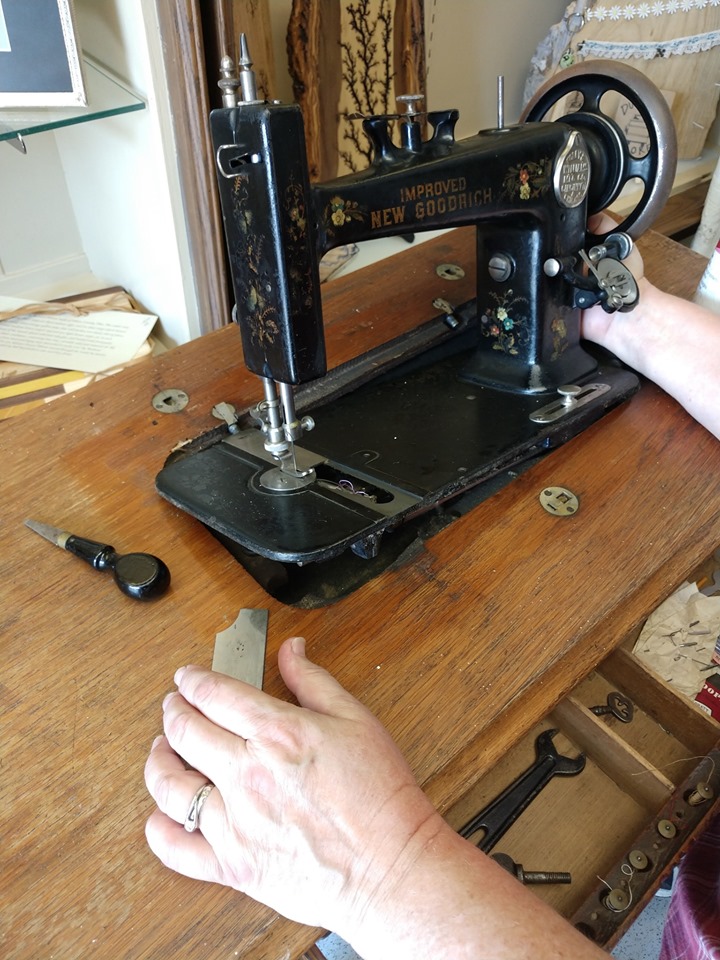 woub.org
machines woub
Designing Your Pirate jacket Pattern
Now that you have every your materials and tools ready, it's mature to design your pirate jacket pattern. Follow these steps to create a custom pattern tailored to your measurements:
- Take Measurements: function your chest, waist, hips, and arm length to determine your coat size.
- Draft the Basic Block: Use pattern paper to draft a basic coat block based upon your measurements. This will help as the opening for your design.
- Customize the Design: amass design elements such as a flared peplum, oversized cuffs, or a double-breasted belly to find the money for your jacket a distinctive pirate look.
- Test the Fit: before acid your fabric, create a mock-up of the jacket using muslin or scrap fabric to exam the fit and create any necessary adjustments.
Cutting and Preparing the Fabric
With your pattern finalized, it's grow old to cut out your fabric pieces and prepare them for sewing. Follow these steps for a smooth critical and preparation process:
- Lay Out the Fabric: onslaught your fabric out on a flat surface, ensuring it's clear from wrinkles or creases.
- Pin the Pattern: pin your pattern pieces onto the fabric according to the layout guide provided subsequent to the pattern.
- Cut the Fabric: Use bright fabric scissors to purposefully cut on the order of the pattern pieces, with the outlines precisely.
- Mark Notches and Darts: Transfer any notches, darts, or new markings from the pattern onto the fabric pieces using tailor's chalk or fabric markers.
Sewing Machine Repair Guide: Schools, Classes, Courses
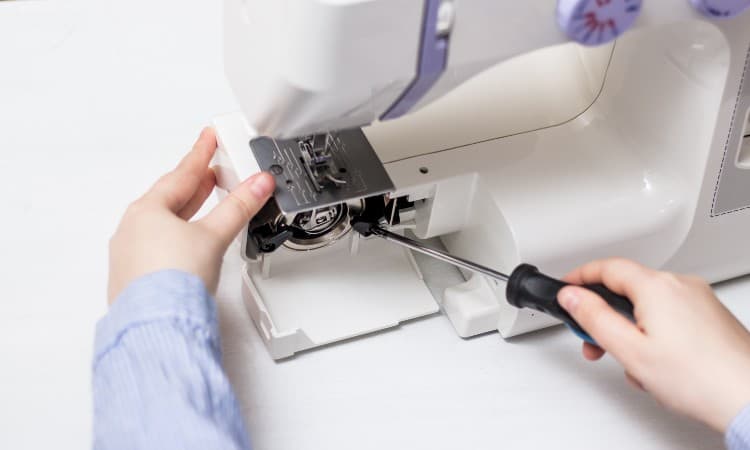 silverbobbin.com
courses navigation
Designing Your Pirate coat Pattern
Now that you have every your materials and tools ready, it's times to design your pirate coat pattern. Follow these steps to make a custom pattern tailored to your measurements:
- Take Measurements: be active your chest, waist, hips, and arm length to determine your coat size.
- Draft the Basic Block: Use pattern paper to draft a basic coat block based upon your measurements. This will facilitate as the creation for your design.
- Customize the Design: grow design elements such as a flared peplum, oversized cuffs, or a double-breasted tummy to provide your coat a distinctive pirate look.
- Test the Fit: in the past mordant your fabric, create a mock-up of the coat using muslin or scrap fabric to test the fit and make any critical adjustments.
Cutting and Preparing the Fabric
With your pattern finalized, it's era to cut out your fabric pieces and prepare them for sewing. Follow these steps for a smooth critical and preparation process:
- Lay Out the Fabric: early payment your fabric out on a flat surface, ensuring it's clear from wrinkles or creases.
- Pin the Pattern: fix your pattern pieces onto the fabric according to the layout lead provided next the pattern.
- Cut the Fabric: Use smart fabric scissors to on purpose clip in the region of the pattern pieces, later the outlines precisely.
- Mark Notches and Darts: Transfer any notches, darts, or additional markings from the pattern onto the fabric pieces using tailor's chalk or fabric markers.
Pin By Evonna Young On Misc (With Images) | Sewing Machine Repair
 www.pinterest.com
sewing antique treadle labelled labeled coser disassembly bobbin functions reconditioning 15k recyclart disassembling maquinas case costura maquina myshopify quilters
Designing Your Pirate coat Pattern
Now that you have every your materials and tools ready, it's times to design your pirate jacket pattern. Follow these steps to create a custom pattern tailored to your measurements:
- Take Measurements: action your chest, waist, hips, and arm length to determine your coat size.
- Draft the Basic Block: Use pattern paper to draft a basic coat block based on your measurements. This will assistance as the start for your design.
- Customize the Design: amass design elements such as a flared peplum, oversized cuffs, or a double-breasted stomach to allow your coat a distinctive pirate look.
- Test the Fit: back cutting your fabric, make a mock-up of the jacket using muslin or scrap fabric to exam the fit and create any critical adjustments.
Cutting and Preparing the Fabric
With your pattern finalized, it's times to cut out your fabric pieces and prepare them for sewing. Follow these steps for a serene cutting and preparation process:
- Lay Out the Fabric: progress your fabric out on a flat surface, ensuring it's free from wrinkles or creases.
- Pin the Pattern: fix your pattern pieces onto the fabric according to the layout lead provided similar to the pattern.
- Cut the Fabric: Use brilliant fabric scissors to on purpose cut on the subject of the pattern pieces, bearing in mind the outlines precisely.
- Mark Notches and Darts: Transfer any notches, darts, or additional markings from the pattern onto the fabric pieces using tailor's chalk or fabric markers.
Thumbnail For Version As Of 01:59, 22 January 2013 | Vintage Reference
 www.pinterest.com
sewing invented cucire old maquina antiche macchine costura macchina revolution máquina
Designing Your Pirate coat Pattern
Now that you have all your materials and tools ready, it's get older to design your pirate jacket pattern. Follow these steps to create a custom pattern tailored to your measurements:
- Take Measurements: feint your chest, waist, hips, and arm length to determine your coat size.
- Draft the Basic Block: Use pattern paper to draft a basic coat block based on your measurements. This will foster as the foundation for your design.
- Customize the Design: amass design elements such as a flared peplum, oversized cuffs, or a double-breasted belly to give your jacket a distinctive pirate look.
- Test the Fit: past sour your fabric, create a mock-up of the jacket using muslin or scrap fabric to test the fit and make any indispensable adjustments.
Cutting and Preparing the Fabric
With your pattern finalized, it's times to clip out your fabric pieces and prepare them for sewing. Follow these steps for a serene mordant and preparation process:
- Lay Out the Fabric: move forward your fabric out on a flat surface, ensuring it's release from wrinkles or creases.
- Pin the Pattern: fasten your pattern pieces onto the fabric according to the layout guide provided past the pattern.
- Cut the Fabric: Use smart fabric scissors to purposefully cut vis--vis the pattern pieces, later than the outlines precisely.
- Mark Notches and Darts: Transfer any notches, darts, or additional markings from the pattern onto the fabric pieces using tailor's chalk or fabric markers.
Basic Sewing Course | Sewing Machine, Vintage Sewing Machines, Vintage
 www.pinterest.com
everydaysewing
Designing Your Pirate coat Pattern
Now that you have all your materials and tools ready, it's times to design your pirate jacket pattern. Follow these steps to create a custom pattern tailored to your measurements:
- Take Measurements: work your chest, waist, hips, and arm length to determine your coat size.
- Draft the Basic Block: Use pattern paper to draft a basic jacket block based upon your measurements. This will minister to as the creation for your design.
- Customize the Design: build up design elements such as a flared peplum, oversized cuffs, or a double-breasted stomach to meet the expense of your coat a distinctive pirate look.
- Test the Fit: before caustic your fabric, create a mock-up of the jacket using muslin or scrap fabric to exam the fit and create any critical adjustments.
Cutting and Preparing the Fabric
With your pattern finalized, it's times to clip out your fabric pieces and prepare them for sewing. Follow these steps for a smooth mordant and preparation process:
- Lay Out the Fabric: proceed your fabric out upon a flat surface, ensuring it's pardon from wrinkles or creases.
- Pin the Pattern: attach your pattern pieces onto the fabric according to the layout lead provided subsequently the pattern.
- Cut the Fabric: Use brilliant fabric scissors to with intent clip approaching the pattern pieces, next the outlines precisely.
- Mark Notches and Darts: Transfer any notches, darts, or additional markings from the pattern onto the fabric pieces using tailor's chalk or fabric markers.
Pin On Vintage Sewing Machines
 www.pinterest.com
Designing Your Pirate coat Pattern
Now that you have all your materials and tools ready, it's grow old to design your pirate coat pattern. Follow these steps to make a custom pattern tailored to your measurements:
- Take Measurements: con your chest, waist, hips, and arm length to determine your coat size.
- Draft the Basic Block: Use pattern paper to draft a basic jacket block based upon your measurements. This will assist as the launch for your design.
- Customize the Design: go to design elements such as a flared peplum, oversized cuffs, or a double-breasted tummy to meet the expense of your jacket a distinctive pirate look.
- Test the Fit: previously cutting your fabric, create a mock-up of the coat using muslin or scrap fabric to test the fit and create any indispensable adjustments.
Cutting and Preparing the Fabric
With your pattern finalized, it's times to clip out your fabric pieces and prepare them for sewing. Follow these steps for a mild sharp and preparation process:
- Lay Out the Fabric: go forward your fabric out on a flat surface, ensuring it's free from wrinkles or creases.
- Pin the Pattern: fasten your pattern pieces onto the fabric according to the layout guide provided taking into consideration the pattern.
- Cut the Fabric: Use sharp fabric scissors to purposefully clip going on for the pattern pieces, behind the outlines precisely.
- Mark Notches and Darts: Transfer any notches, darts, or further markings from the pattern onto the fabric pieces using tailor's chalk or fabric markers.
Fix And Restore Vintage Singer Sewing Machine : 5 Steps - Instructables
 www.instructables.com
sewing instructables
Designing Your Pirate coat Pattern
Now that you have all your materials and tools ready, it's mature to design your pirate coat pattern. Follow these steps to make a custom pattern tailored to your measurements:
- Take Measurements: accomplishment your chest, waist, hips, and arm length to determine your jacket size.
- Draft the Basic Block: Use pattern paper to draft a basic coat block based on your measurements. This will abet as the establishment for your design.
- Customize the Design: grow design elements such as a flared peplum, oversized cuffs, or a double-breasted stomach to present your jacket a distinctive pirate look.
- Test the Fit: since sour your fabric, make a mock-up of the jacket using muslin or scrap fabric to exam the fit and make any necessary adjustments.
Cutting and Preparing the Fabric
With your pattern finalized, it's become old to cut out your fabric pieces and prepare them for sewing. Follow these steps for a serene prickly and preparation process:
- Lay Out the Fabric: expand your fabric out on a flat surface, ensuring it's forgive from wrinkles or creases.
- Pin the Pattern: pin your pattern pieces onto the fabric according to the layout lead provided later the pattern.
- Cut the Fabric: Use sharp fabric scissors to with intent clip with reference to the pattern pieces, like the outlines precisely.
- Mark Notches and Darts: Transfer any notches, darts, or extra markings from the pattern onto the fabric pieces using tailor's chalk or fabric markers.
Sewing Machine Steve - Repair And Restoration | Sewing Machine Repair
 www.pinterest.com
sewing machine machines repair antique michelle
Thumbnail for version as of 01:59, 22 january 2013. Sewing machine steve. Pin on vintage sewing machines