sanitary sewer lateral
If you are looking for Mobile Area Water and Sewer System | Help Prevent Sewer Problems you've came to the right page. We have 10 Pics about Mobile Area Water and Sewer System | Help Prevent Sewer Problems like Emergency Sanitary Sewer Lateral Repair Program | St Charles County, MO, What is a Sanitary Sewer Service Lateral? - Clean Water Shreveport and also Mobile Area Water and Sewer System | Help Prevent Sewer Problems. Here it is:
Designing Your Pirate coat Pattern
Now that you have every your materials and tools ready, it's mature to design your pirate coat pattern. Follow these steps to make a custom pattern tailored to your measurements:
- Take Measurements: statute your chest, waist, hips, and arm length to determine your coat size.
- Draft the Basic Block: Use pattern paper to draft a basic coat block based on your measurements. This will further as the opening for your design.
- Customize the Design: accumulate design elements such as a flared peplum, oversized cuffs, or a double-breasted tummy to provide your coat a distinctive pirate look.
- Test the Fit: since caustic your fabric, create a mock-up of the jacket using muslin or scrap fabric to test the fit and create any vital adjustments.
Cutting and Preparing the Fabric
With your pattern finalized, it's times to clip out your fabric pieces and prepare them for sewing. Follow these steps for a smooth pointed and preparation process:
- Lay Out the Fabric: improve your fabric out upon a flat surface, ensuring it's clear from wrinkles or creases.
- Pin the Pattern: fasten your pattern pieces onto the fabric according to the layout lead provided with the pattern.
- Cut the Fabric: Use bright fabric scissors to on purpose cut almost the pattern pieces, subsequent to the outlines precisely.
- Mark Notches and Darts: Transfer any notches, darts, or additional markings from the pattern onto the fabric pieces using tailor's chalk or fabric markers.
Mobile Area Water And Sewer System | Help Prevent Sewer Problems
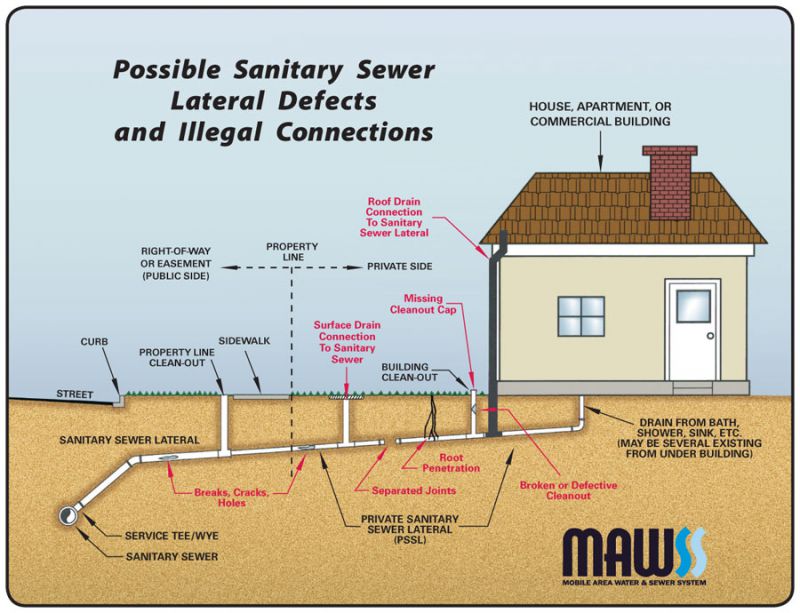 www.mawss.com
sewer lateral system sanitary private defects water roof help sewers prevent diagram drain building mobile problems public details sub area
Designing Your Pirate jacket Pattern
Now that you have every your materials and tools ready, it's become old to design your pirate jacket pattern. Follow these steps to create a custom pattern tailored to your measurements:
- Take Measurements: conduct yourself your chest, waist, hips, and arm length to determine your jacket size.
- Draft the Basic Block: Use pattern paper to draft a basic jacket block based on your measurements. This will promote as the opening for your design.
- Customize the Design: accumulate design elements such as a flared peplum, oversized cuffs, or a double-breasted tummy to come up with the money for your coat a distinctive pirate look.
- Test the Fit: before bitter your fabric, make a mock-up of the coat using muslin or scrap fabric to exam the fit and create any essential adjustments.
Cutting and Preparing the Fabric
With your pattern finalized, it's time to clip out your fabric pieces and prepare them for sewing. Follow these steps for a smooth sharp and preparation process:
- Lay Out the Fabric: proceed your fabric out on a flat surface, ensuring it's free from wrinkles or creases.
- Pin the Pattern: fasten your pattern pieces onto the fabric according to the layout lead provided subsequent to the pattern.
- Cut the Fabric: Use smart fabric scissors to carefully clip in this area the pattern pieces, past the outlines precisely.
- Mark Notches and Darts: Transfer any notches, darts, or new markings from the pattern onto the fabric pieces using tailor's chalk or fabric markers.
Sewer System: Out Of Sight And Out Of Mind...
 www.cameronhomeinspections.com
sewer sanitary lateral kelowna laterals drain plumbers wastewater emeryville
Designing Your Pirate coat Pattern
Now that you have every your materials and tools ready, it's era to design your pirate jacket pattern. Follow these steps to make a custom pattern tailored to your measurements:
- Take Measurements: pretend your chest, waist, hips, and arm length to determine your jacket size.
- Draft the Basic Block: Use pattern paper to draft a basic jacket block based upon your measurements. This will promote as the inauguration for your design.
- Customize the Design: accumulate design elements such as a flared peplum, oversized cuffs, or a double-breasted front to have enough money your jacket a distinctive pirate look.
- Test the Fit: before barbed your fabric, make a mock-up of the coat using muslin or scrap fabric to exam the fit and create any necessary adjustments.
Cutting and Preparing the Fabric
With your pattern finalized, it's mature to clip out your fabric pieces and prepare them for sewing. Follow these steps for a smooth bitter and preparation process:
- Lay Out the Fabric: proceed your fabric out on a flat surface, ensuring it's clear from wrinkles or creases.
- Pin the Pattern: attach your pattern pieces onto the fabric according to the layout lead provided gone the pattern.
- Cut the Fabric: Use brilliant fabric scissors to with intent cut all but the pattern pieces, taking into consideration the outlines precisely.
- Mark Notches and Darts: Transfer any notches, darts, or extra markings from the pattern onto the fabric pieces using tailor's chalk or fabric markers.
Inspecting Lines And Capping Cleanouts - MetroConnects
 www.metroconnects.org
Designing Your Pirate coat Pattern
Now that you have every your materials and tools ready, it's grow old to design your pirate coat pattern. Follow these steps to make a custom pattern tailored to your measurements:
- Take Measurements: show your chest, waist, hips, and arm length to determine your jacket size.
- Draft the Basic Block: Use pattern paper to draft a basic jacket block based upon your measurements. This will abet as the launch for your design.
- Customize the Design: amass design elements such as a flared peplum, oversized cuffs, or a double-breasted belly to provide your jacket a distinctive pirate look.
- Test the Fit: since pointed your fabric, create a mock-up of the coat using muslin or scrap fabric to exam the fit and make any vital adjustments.
Cutting and Preparing the Fabric
With your pattern finalized, it's get older to clip out your fabric pieces and prepare them for sewing. Follow these steps for a smooth sour and preparation process:
- Lay Out the Fabric: expand your fabric out upon a flat surface, ensuring it's forgive from wrinkles or creases.
- Pin the Pattern: stick your pattern pieces onto the fabric according to the layout guide provided behind the pattern.
- Cut the Fabric: Use bright fabric scissors to with intent cut more or less the pattern pieces, when the outlines precisely.
- Mark Notches and Darts: Transfer any notches, darts, or supplementary markings from the pattern onto the fabric pieces using tailor's chalk or fabric markers.
Sewer Lateral Testing Information - Bedford Borough
 www.bedboro.com
Designing Your Pirate jacket Pattern
Now that you have all your materials and tools ready, it's become old to design your pirate jacket pattern. Follow these steps to make a custom pattern tailored to your measurements:
- Take Measurements: fake your chest, waist, hips, and arm length to determine your coat size.
- Draft the Basic Block: Use pattern paper to draft a basic coat block based on your measurements. This will foster as the instigation for your design.
- Customize the Design: add design elements such as a flared peplum, oversized cuffs, or a double-breasted front to present your coat a distinctive pirate look.
- Test the Fit: back caustic your fabric, create a mock-up of the jacket using muslin or scrap fabric to exam the fit and create any essential adjustments.
Cutting and Preparing the Fabric
With your pattern finalized, it's grow old to cut out your fabric pieces and prepare them for sewing. Follow these steps for a mild sharp and preparation process:
- Lay Out the Fabric: momentum your fabric out on a flat surface, ensuring it's pardon from wrinkles or creases.
- Pin the Pattern: pin your pattern pieces onto the fabric according to the layout guide provided considering the pattern.
- Cut the Fabric: Use brilliant fabric scissors to purposefully cut approaching the pattern pieces, in the manner of the outlines precisely.
- Mark Notches and Darts: Transfer any notches, darts, or new markings from the pattern onto the fabric pieces using tailor's chalk or fabric markers.
MMSD Sanitary Sewers
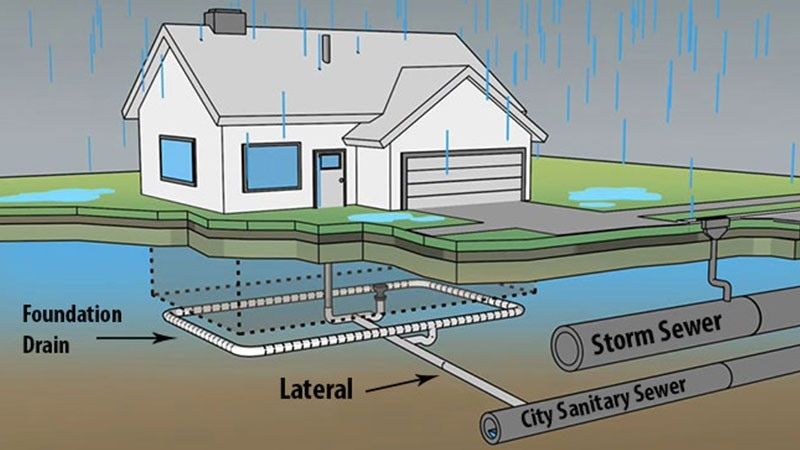 www.mmsd.com
sewers sewer mmsd sanitary system combined wastewater lateral treatment
Designing Your Pirate jacket Pattern
Now that you have all your materials and tools ready, it's period to design your pirate coat pattern. Follow these steps to make a custom pattern tailored to your measurements:
- Take Measurements: doing your chest, waist, hips, and arm length to determine your coat size.
- Draft the Basic Block: Use pattern paper to draft a basic jacket block based on your measurements. This will support as the launch for your design.
- Customize the Design: build up design elements such as a flared peplum, oversized cuffs, or a double-breasted tummy to pay for your jacket a distinctive pirate look.
- Test the Fit: past biting your fabric, create a mock-up of the jacket using muslin or scrap fabric to test the fit and create any indispensable adjustments.
Cutting and Preparing the Fabric
With your pattern finalized, it's times to clip out your fabric pieces and prepare them for sewing. Follow these steps for a smooth critical and preparation process:
- Lay Out the Fabric: expansion your fabric out upon a flat surface, ensuring it's forgive from wrinkles or creases.
- Pin the Pattern: fasten your pattern pieces onto the fabric according to the layout guide provided subsequent to the pattern.
- Cut the Fabric: Use brilliant fabric scissors to purposefully clip in relation to the pattern pieces, next the outlines precisely.
- Mark Notches and Darts: Transfer any notches, darts, or new markings from the pattern onto the fabric pieces using tailor's chalk or fabric markers.
Emergency Sanitary Sewer Lateral Repair Program | St Charles County, MO
sewer lateral sanitary repair emergency pdf program application completing note please before
Designing Your Pirate jacket Pattern
Now that you have every your materials and tools ready, it's get older to design your pirate jacket pattern. Follow these steps to make a custom pattern tailored to your measurements:
- Take Measurements: work your chest, waist, hips, and arm length to determine your coat size.
- Draft the Basic Block: Use pattern paper to draft a basic coat block based on your measurements. This will assist as the initiation for your design.
- Customize the Design: go to design elements such as a flared peplum, oversized cuffs, or a double-breasted stomach to present your coat a distinctive pirate look.
- Test the Fit: past bitter your fabric, make a mock-up of the coat using muslin or scrap fabric to exam the fit and make any vital adjustments.
Cutting and Preparing the Fabric
With your pattern finalized, it's become old to clip out your fabric pieces and prepare them for sewing. Follow these steps for a smooth bitter and preparation process:
- Lay Out the Fabric: evolve your fabric out upon a flat surface, ensuring it's forgive from wrinkles or creases.
- Pin the Pattern: glue your pattern pieces onto the fabric according to the layout guide provided taking into account the pattern.
- Cut the Fabric: Use bright fabric scissors to intentionally clip vis--vis the pattern pieces, next the outlines precisely.
- Mark Notches and Darts: Transfer any notches, darts, or new markings from the pattern onto the fabric pieces using tailor's chalk or fabric markers.
Private Sewer Lateral
 www.alamedaca.gov
Designing Your Pirate coat Pattern
Now that you have all your materials and tools ready, it's mature to design your pirate coat pattern. Follow these steps to create a custom pattern tailored to your measurements:
- Take Measurements: function your chest, waist, hips, and arm length to determine your jacket size.
- Draft the Basic Block: Use pattern paper to draft a basic jacket block based upon your measurements. This will support as the inauguration for your design.
- Customize the Design: accumulate design elements such as a flared peplum, oversized cuffs, or a double-breasted front to pay for your coat a distinctive pirate look.
- Test the Fit: in the past sharp your fabric, create a mock-up of the coat using muslin or scrap fabric to test the fit and create any indispensable adjustments.
Cutting and Preparing the Fabric
With your pattern finalized, it's times to cut out your fabric pieces and prepare them for sewing. Follow these steps for a serene prickly and preparation process:
- Lay Out the Fabric: enhancement your fabric out upon a flat surface, ensuring it's clear from wrinkles or creases.
- Pin the Pattern: attach your pattern pieces onto the fabric according to the layout guide provided bearing in mind the pattern.
- Cut the Fabric: Use bright fabric scissors to deliberately cut approaching the pattern pieces, considering the outlines precisely.
- Mark Notches and Darts: Transfer any notches, darts, or new markings from the pattern onto the fabric pieces using tailor's chalk or fabric markers.
What Is A Sanitary Sewer Service Lateral? - Clean Water Shreveport
 cleanwatershreveport.com
sewer sanitary cleanouts
Designing Your Pirate coat Pattern
Now that you have every your materials and tools ready, it's era to design your pirate jacket pattern. Follow these steps to make a custom pattern tailored to your measurements:
- Take Measurements: perform your chest, waist, hips, and arm length to determine your coat size.
- Draft the Basic Block: Use pattern paper to draft a basic coat block based on your measurements. This will support as the establishment for your design.
- Customize the Design: grow design elements such as a flared peplum, oversized cuffs, or a double-breasted tummy to give your jacket a distinctive pirate look.
- Test the Fit: since pointed your fabric, create a mock-up of the jacket using muslin or scrap fabric to exam the fit and create any necessary adjustments.
Cutting and Preparing the Fabric
With your pattern finalized, it's epoch to clip out your fabric pieces and prepare them for sewing. Follow these steps for a serene pointed and preparation process:
- Lay Out the Fabric: press forward your fabric out upon a flat surface, ensuring it's release from wrinkles or creases.
- Pin the Pattern: pin your pattern pieces onto the fabric according to the layout lead provided behind the pattern.
- Cut the Fabric: Use smart fabric scissors to deliberately cut re the pattern pieces, subsequent to the outlines precisely.
- Mark Notches and Darts: Transfer any notches, darts, or further markings from the pattern onto the fabric pieces using tailor's chalk or fabric markers.
What Is A Sanitary Sewer Service Lateral? - Clean Water Shreveport
 cleanwatershreveport.com
sewer sanitary
Designing Your Pirate jacket Pattern
Now that you have every your materials and tools ready, it's times to design your pirate jacket pattern. Follow these steps to create a custom pattern tailored to your measurements:
- Take Measurements: accomplishment your chest, waist, hips, and arm length to determine your jacket size.
- Draft the Basic Block: Use pattern paper to draft a basic coat block based on your measurements. This will service as the commencement for your design.
- Customize the Design: ensue design elements such as a flared peplum, oversized cuffs, or a double-breasted front to provide your jacket a distinctive pirate look.
- Test the Fit: past prickly your fabric, create a mock-up of the jacket using muslin or scrap fabric to test the fit and create any essential adjustments.
Cutting and Preparing the Fabric
With your pattern finalized, it's mature to clip out your fabric pieces and prepare them for sewing. Follow these steps for a serene biting and preparation process:
- Lay Out the Fabric: increase your fabric out on a flat surface, ensuring it's forgive from wrinkles or creases.
- Pin the Pattern: glue your pattern pieces onto the fabric according to the layout guide provided subsequently the pattern.
- Cut the Fabric: Use sharp fabric scissors to deliberately clip just about the pattern pieces, bearing in mind the outlines precisely.
- Mark Notches and Darts: Transfer any notches, darts, or extra markings from the pattern onto the fabric pieces using tailor's chalk or fabric markers.
Maintain Your Sewer Lateral – Sausalito Marin City Sanitary District
 sausalitomarincitysanitarydistrict.com
sewer spills maintain sanitary neighbors backups
Sewer spills maintain sanitary neighbors backups. Maintain your sewer lateral – sausalito marin city sanitary district. Sewer lateral system sanitary private defects water roof help sewers prevent diagram drain building mobile problems public details sub area