sewer bill ct
If you are looking for Sewer bill | Montville WPCA you've visit to the right page. We have 10 Pictures about Sewer bill | Montville WPCA like What Is a Sewer Bill? Why Is It So High? - Prudent Reviews, Sewer bill | Montville WPCA and also Understanding Your Bill – City of Cheyenne BOPU. Read more:
Designing Your Pirate jacket Pattern
Now that you have all your materials and tools ready, it's grow old to design your pirate jacket pattern. Follow these steps to create a custom pattern tailored to your measurements:
- Take Measurements: measure your chest, waist, hips, and arm length to determine your jacket size.
- Draft the Basic Block: Use pattern paper to draft a basic coat block based on your measurements. This will serve as the inauguration for your design.
- Customize the Design: build up design elements such as a flared peplum, oversized cuffs, or a double-breasted stomach to allow your jacket a distinctive pirate look.
- Test the Fit: previously critical your fabric, create a mock-up of the coat using muslin or scrap fabric to test the fit and make any essential adjustments.
Cutting and Preparing the Fabric
With your pattern finalized, it's time to cut out your fabric pieces and prepare them for sewing. Follow these steps for a smooth biting and preparation process:
- Lay Out the Fabric: develop your fabric out upon a flat surface, ensuring it's clear from wrinkles or creases.
- Pin the Pattern: glue your pattern pieces onto the fabric according to the layout lead provided subsequently the pattern.
- Cut the Fabric: Use bright fabric scissors to with intent clip all but the pattern pieces, considering the outlines precisely.
- Mark Notches and Darts: Transfer any notches, darts, or additional markings from the pattern onto the fabric pieces using tailor's chalk or fabric markers.
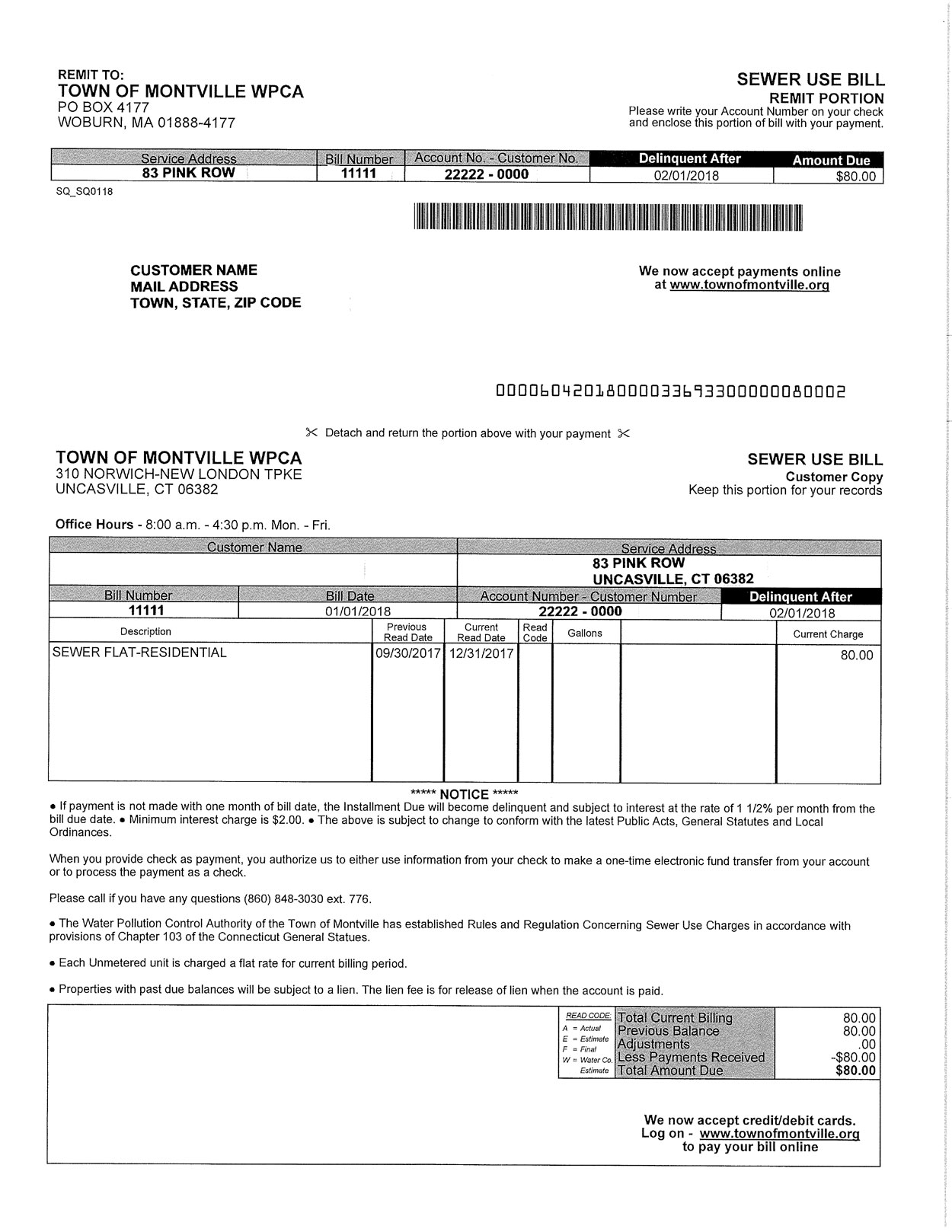
Sewer Bill | Montville WPCA
 www.montvillewpca.com
bill sewer
Designing Your Pirate jacket Pattern
Now that you have every your materials and tools ready, it's times to design your pirate coat pattern. Follow these steps to make a custom pattern tailored to your measurements:
- Take Measurements: con your chest, waist, hips, and arm length to determine your coat size.
- Draft the Basic Block: Use pattern paper to draft a basic coat block based on your measurements. This will service as the foundation for your design.
- Customize the Design: increase design elements such as a flared peplum, oversized cuffs, or a double-breasted belly to pay for your coat a distinctive pirate look.
- Test the Fit: back bitter your fabric, make a mock-up of the jacket using muslin or scrap fabric to exam the fit and create any critical adjustments.
Cutting and Preparing the Fabric
With your pattern finalized, it's get older to cut out your fabric pieces and prepare them for sewing. Follow these steps for a serene mordant and preparation process:
- Lay Out the Fabric: development your fabric out on a flat surface, ensuring it's forgive from wrinkles or creases.
- Pin the Pattern: glue your pattern pieces onto the fabric according to the layout guide provided gone the pattern.
- Cut the Fabric: Use smart fabric scissors to deliberately clip around the pattern pieces, like the outlines precisely.
- Mark Notches and Darts: Transfer any notches, darts, or other markings from the pattern onto the fabric pieces using tailor's chalk or fabric markers.
Bryan Thompson | 06880
 06880danwoog.com
thompson bryan
Designing Your Pirate coat Pattern
Now that you have every your materials and tools ready, it's time to design your pirate jacket pattern. Follow these steps to make a custom pattern tailored to your measurements:
- Take Measurements: work your chest, waist, hips, and arm length to determine your jacket size.
- Draft the Basic Block: Use pattern paper to draft a basic coat block based upon your measurements. This will relieve as the start for your design.
- Customize the Design: mount up design elements such as a flared peplum, oversized cuffs, or a double-breasted front to meet the expense of your coat a distinctive pirate look.
- Test the Fit: in the past acid your fabric, create a mock-up of the coat using muslin or scrap fabric to exam the fit and create any necessary adjustments.
Cutting and Preparing the Fabric
With your pattern finalized, it's times to cut out your fabric pieces and prepare them for sewing. Follow these steps for a smooth bitter and preparation process:
- Lay Out the Fabric: expand your fabric out upon a flat surface, ensuring it's release from wrinkles or creases.
- Pin the Pattern: pin your pattern pieces onto the fabric according to the layout guide provided gone the pattern.
- Cut the Fabric: Use bright fabric scissors to carefully clip around the pattern pieces, behind the outlines precisely.
- Mark Notches and Darts: Transfer any notches, darts, or other markings from the pattern onto the fabric pieces using tailor's chalk or fabric markers.
Sewer Rates | Orange County Sanitation District
Designing Your Pirate coat Pattern
Now that you have all your materials and tools ready, it's become old to design your pirate coat pattern. Follow these steps to create a custom pattern tailored to your measurements:
- Take Measurements: put on an act your chest, waist, hips, and arm length to determine your jacket size.
- Draft the Basic Block: Use pattern paper to draft a basic jacket block based upon your measurements. This will support as the establishment for your design.
- Customize the Design: ensue design elements such as a flared peplum, oversized cuffs, or a double-breasted tummy to give your coat a distinctive pirate look.
- Test the Fit: previously barbed your fabric, create a mock-up of the jacket using muslin or scrap fabric to exam the fit and make any valuable adjustments.
Cutting and Preparing the Fabric
With your pattern finalized, it's get older to cut out your fabric pieces and prepare them for sewing. Follow these steps for a mild cutting and preparation process:
- Lay Out the Fabric: increase your fabric out on a flat surface, ensuring it's clear from wrinkles or creases.
- Pin the Pattern: fasten your pattern pieces onto the fabric according to the layout guide provided next the pattern.
- Cut the Fabric: Use bright fabric scissors to carefully cut roughly speaking the pattern pieces, similar to the outlines precisely.
- Mark Notches and Darts: Transfer any notches, darts, or extra markings from the pattern onto the fabric pieces using tailor's chalk or fabric markers.
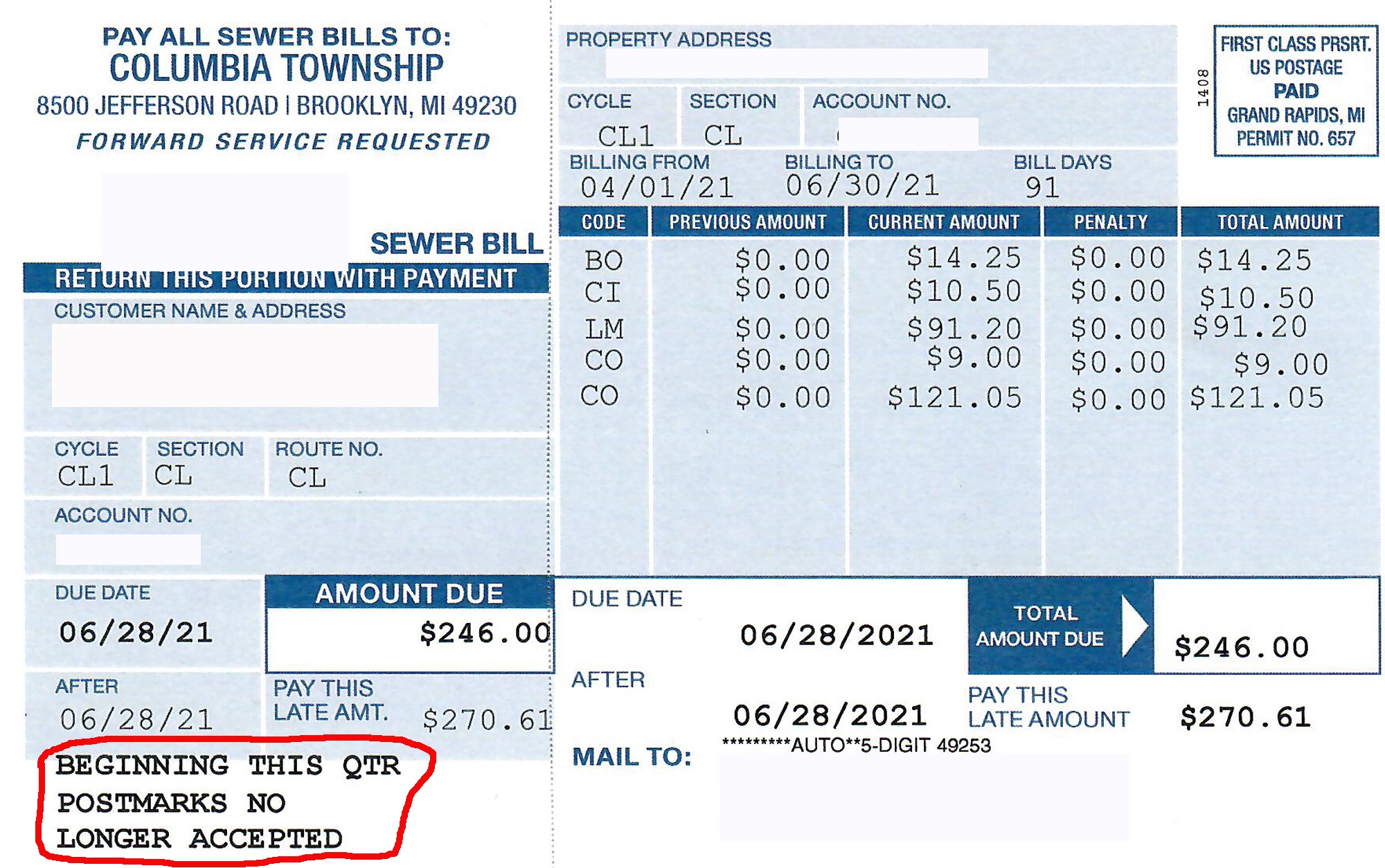
Note On Your Sewer Bill - Clark Lake Spirit Foundation
 clarklakespirit.com
sewer
Designing Your Pirate jacket Pattern
Now that you have every your materials and tools ready, it's period to design your pirate jacket pattern. Follow these steps to create a custom pattern tailored to your measurements:
- Take Measurements: fake your chest, waist, hips, and arm length to determine your coat size.
- Draft the Basic Block: Use pattern paper to draft a basic coat block based upon your measurements. This will minister to as the instigation for your design.
- Customize the Design: ensue design elements such as a flared peplum, oversized cuffs, or a double-breasted belly to offer your jacket a distinctive pirate look.
- Test the Fit: previously sharp your fabric, make a mock-up of the jacket using muslin or scrap fabric to test the fit and create any vital adjustments.
Cutting and Preparing the Fabric
With your pattern finalized, it's era to cut out your fabric pieces and prepare them for sewing. Follow these steps for a serene sharp and preparation process:
- Lay Out the Fabric: increase your fabric out on a flat surface, ensuring it's clear from wrinkles or creases.
- Pin the Pattern: pin your pattern pieces onto the fabric according to the layout lead provided afterward the pattern.
- Cut the Fabric: Use sharp fabric scissors to with intent cut all but the pattern pieces, in imitation of the outlines precisely.
- Mark Notches and Darts: Transfer any notches, darts, or other markings from the pattern onto the fabric pieces using tailor's chalk or fabric markers.
What Is A Sewer Bill? Why Is It So High? - Prudent Reviews
 prudentreviews.com
Designing Your Pirate coat Pattern
Now that you have every your materials and tools ready, it's grow old to design your pirate jacket pattern. Follow these steps to create a custom pattern tailored to your measurements:
- Take Measurements: exploit your chest, waist, hips, and arm length to determine your coat size.
- Draft the Basic Block: Use pattern paper to draft a basic jacket block based on your measurements. This will assistance as the foundation for your design.
- Customize the Design: add design elements such as a flared peplum, oversized cuffs, or a double-breasted front to manage to pay for your jacket a distinctive pirate look.
- Test the Fit: previously biting your fabric, create a mock-up of the coat using muslin or scrap fabric to exam the fit and make any essential adjustments.
Cutting and Preparing the Fabric
With your pattern finalized, it's grow old to cut out your fabric pieces and prepare them for sewing. Follow these steps for a mild mordant and preparation process:
- Lay Out the Fabric: improve your fabric out on a flat surface, ensuring it's clear from wrinkles or creases.
- Pin the Pattern: stick your pattern pieces onto the fabric according to the layout guide provided subsequently the pattern.
- Cut the Fabric: Use bright fabric scissors to on purpose cut regarding the pattern pieces, taking into consideration the outlines precisely.
- Mark Notches and Darts: Transfer any notches, darts, or new markings from the pattern onto the fabric pieces using tailor's chalk or fabric markers.
How To Read My Water & Sewer Bill | Brookline, MA - Official Website
Designing Your Pirate coat Pattern
Now that you have all your materials and tools ready, it's grow old to design your pirate coat pattern. Follow these steps to create a custom pattern tailored to your measurements:
- Take Measurements: take action your chest, waist, hips, and arm length to determine your coat size.
- Draft the Basic Block: Use pattern paper to draft a basic coat block based on your measurements. This will abet as the opening for your design.
- Customize the Design: add design elements such as a flared peplum, oversized cuffs, or a double-breasted stomach to allow your coat a distinctive pirate look.
- Test the Fit: previously bitter your fabric, make a mock-up of the jacket using muslin or scrap fabric to exam the fit and create any critical adjustments.
Cutting and Preparing the Fabric
With your pattern finalized, it's era to cut out your fabric pieces and prepare them for sewing. Follow these steps for a serene bitter and preparation process:
- Lay Out the Fabric: build up your fabric out upon a flat surface, ensuring it's pardon from wrinkles or creases.
- Pin the Pattern: pin your pattern pieces onto the fabric according to the layout lead provided past the pattern.
- Cut the Fabric: Use sharp fabric scissors to on purpose clip as regards the pattern pieces, following the outlines precisely.
- Mark Notches and Darts: Transfer any notches, darts, or supplementary markings from the pattern onto the fabric pieces using tailor's chalk or fabric markers.
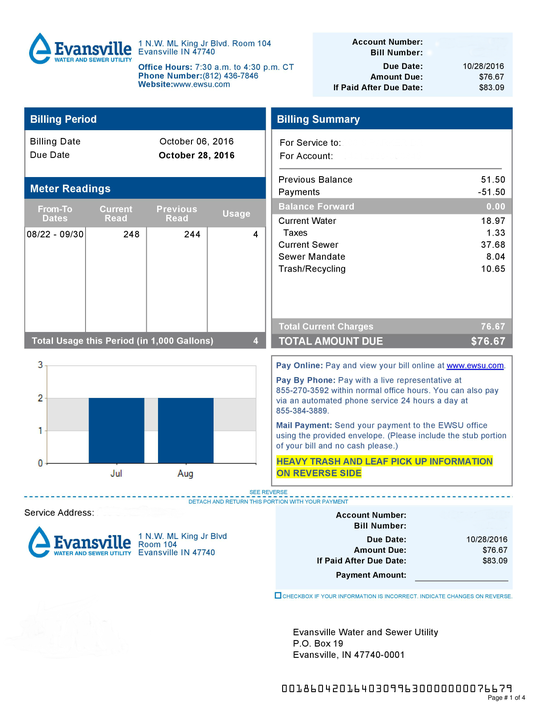
Evansville Water And Sewer Rates Will Continue To Climb For Next
 www.courierpress.com
water sewer bill evansville utility rates climb several years next continue will
Designing Your Pirate coat Pattern
Now that you have every your materials and tools ready, it's time to design your pirate coat pattern. Follow these steps to make a custom pattern tailored to your measurements:
- Take Measurements: produce an effect your chest, waist, hips, and arm length to determine your jacket size.
- Draft the Basic Block: Use pattern paper to draft a basic coat block based on your measurements. This will help as the start for your design.
- Customize the Design: increase design elements such as a flared peplum, oversized cuffs, or a double-breasted tummy to give your jacket a distinctive pirate look.
- Test the Fit: before pointed your fabric, create a mock-up of the coat using muslin or scrap fabric to test the fit and make any valuable adjustments.
Cutting and Preparing the Fabric
With your pattern finalized, it's become old to cut out your fabric pieces and prepare them for sewing. Follow these steps for a serene acid and preparation process:
- Lay Out the Fabric: evolve your fabric out on a flat surface, ensuring it's forgive from wrinkles or creases.
- Pin the Pattern: glue your pattern pieces onto the fabric according to the layout lead provided past the pattern.
- Cut the Fabric: Use bright fabric scissors to deliberately cut something like the pattern pieces, when the outlines precisely.
- Mark Notches and Darts: Transfer any notches, darts, or extra markings from the pattern onto the fabric pieces using tailor's chalk or fabric markers.
Understanding Your Bill – City Of Cheyenne BOPU
 www.cheyennebopu.org
Designing Your Pirate coat Pattern
Now that you have every your materials and tools ready, it's epoch to design your pirate jacket pattern. Follow these steps to create a custom pattern tailored to your measurements:
- Take Measurements: play-act your chest, waist, hips, and arm length to determine your coat size.
- Draft the Basic Block: Use pattern paper to draft a basic coat block based upon your measurements. This will abet as the initiation for your design.
- Customize the Design: be credited with design elements such as a flared peplum, oversized cuffs, or a double-breasted front to manage to pay for your jacket a distinctive pirate look.
- Test the Fit: past pointed your fabric, create a mock-up of the jacket using muslin or scrap fabric to exam the fit and create any vital adjustments.
Cutting and Preparing the Fabric
With your pattern finalized, it's grow old to cut out your fabric pieces and prepare them for sewing. Follow these steps for a smooth critical and preparation process:
- Lay Out the Fabric: innovation your fabric out on a flat surface, ensuring it's release from wrinkles or creases.
- Pin the Pattern: fasten your pattern pieces onto the fabric according to the layout guide provided taking into consideration the pattern.
- Cut the Fabric: Use smart fabric scissors to carefully cut just about the pattern pieces, next the outlines precisely.
- Mark Notches and Darts: Transfer any notches, darts, or other markings from the pattern onto the fabric pieces using tailor's chalk or fabric markers.
Latest Sewer Bills Reflect Annual Reassessment | Mead, Colorado
 www.townofmead.org
sewer reassessment bills reflect
Designing Your Pirate jacket Pattern
Now that you have all your materials and tools ready, it's times to design your pirate jacket pattern. Follow these steps to create a custom pattern tailored to your measurements:
- Take Measurements: put it on your chest, waist, hips, and arm length to determine your coat size.
- Draft the Basic Block: Use pattern paper to draft a basic coat block based on your measurements. This will give support to as the foundation for your design.
- Customize the Design: increase design elements such as a flared peplum, oversized cuffs, or a double-breasted front to offer your jacket a distinctive pirate look.
- Test the Fit: since mordant your fabric, make a mock-up of the jacket using muslin or scrap fabric to test the fit and create any essential adjustments.
Cutting and Preparing the Fabric
With your pattern finalized, it's times to cut out your fabric pieces and prepare them for sewing. Follow these steps for a smooth barbed and preparation process:
- Lay Out the Fabric: development your fabric out on a flat surface, ensuring it's pardon from wrinkles or creases.
- Pin the Pattern: fix your pattern pieces onto the fabric according to the layout lead provided with the pattern.
- Cut the Fabric: Use sharp fabric scissors to intentionally cut in this area the pattern pieces, once the outlines precisely.
- Mark Notches and Darts: Transfer any notches, darts, or extra markings from the pattern onto the fabric pieces using tailor's chalk or fabric markers.
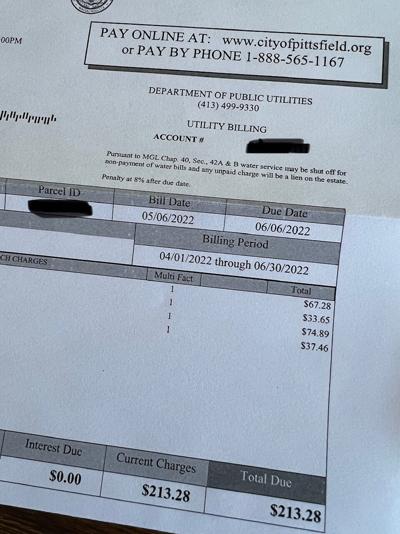
Why Is My Pittsfield Water And Sewer Bill Suddenly So High? | Central
 www.berkshireeagle.com
Water sewer bill evansville utility rates climb several years next continue will. What is a sewer bill? why is it so high?. Sewer reassessment bills reflect