sewer concrete benching
If you are searching about BENCHING BUDDY - Concrete Manhole Bench Rehabilitation & Protection you've visit to the right page. We have 10 Pictures about BENCHING BUDDY - Concrete Manhole Bench Rehabilitation & Protection like Concrete spotlight: Out of a hole | New Civil Engineer, Building bigger sewers to accommodate growth - Construction Canada and also BENCHING BUDDY - Concrete Manhole Bench Rehabilitation & Protection. Here you go:
Designing Your Pirate jacket Pattern
Now that you have all your materials and tools ready, it's mature to design your pirate coat pattern. Follow these steps to create a custom pattern tailored to your measurements:
- Take Measurements: statute your chest, waist, hips, and arm length to determine your jacket size.
- Draft the Basic Block: Use pattern paper to draft a basic jacket block based upon your measurements. This will assistance as the commencement for your design.
- Customize the Design: go to design elements such as a flared peplum, oversized cuffs, or a double-breasted stomach to allow your coat a distinctive pirate look.
- Test the Fit: in the past bitter your fabric, create a mock-up of the coat using muslin or scrap fabric to test the fit and make any essential adjustments.
Cutting and Preparing the Fabric
With your pattern finalized, it's become old to cut out your fabric pieces and prepare them for sewing. Follow these steps for a serene mordant and preparation process:
- Lay Out the Fabric: progress your fabric out upon a flat surface, ensuring it's clear from wrinkles or creases.
- Pin the Pattern: fasten your pattern pieces onto the fabric according to the layout lead provided in the same way as the pattern.
- Cut the Fabric: Use sharp fabric scissors to on purpose cut almost the pattern pieces, later the outlines precisely.
- Mark Notches and Darts: Transfer any notches, darts, or additional markings from the pattern onto the fabric pieces using tailor's chalk or fabric markers.
BENCHING BUDDY - Concrete Manhole Bench Rehabilitation & Protection
 pipemagic.com.au
benching manhole buddy rehabilitation protection pipe
Designing Your Pirate jacket Pattern
Now that you have every your materials and tools ready, it's epoch to design your pirate coat pattern. Follow these steps to create a custom pattern tailored to your measurements:
- Take Measurements: perform your chest, waist, hips, and arm length to determine your jacket size.
- Draft the Basic Block: Use pattern paper to draft a basic jacket block based upon your measurements. This will encouragement as the introduction for your design.
- Customize the Design: amass design elements such as a flared peplum, oversized cuffs, or a double-breasted stomach to come up with the money for your jacket a distinctive pirate look.
- Test the Fit: in the past mordant your fabric, create a mock-up of the coat using muslin or scrap fabric to test the fit and create any vital adjustments.
Cutting and Preparing the Fabric
With your pattern finalized, it's times to clip out your fabric pieces and prepare them for sewing. Follow these steps for a mild sharp and preparation process:
- Lay Out the Fabric: move ahead your fabric out upon a flat surface, ensuring it's free from wrinkles or creases.
- Pin the Pattern: attach your pattern pieces onto the fabric according to the layout guide provided afterward the pattern.
- Cut the Fabric: Use bright fabric scissors to purposefully cut around the pattern pieces, bearing in mind the outlines precisely.
- Mark Notches and Darts: Transfer any notches, darts, or further markings from the pattern onto the fabric pieces using tailor's chalk or fabric markers.
DIY Garden Bench Ideas - Free Plans For Outdoor Benches: Benching Concrete
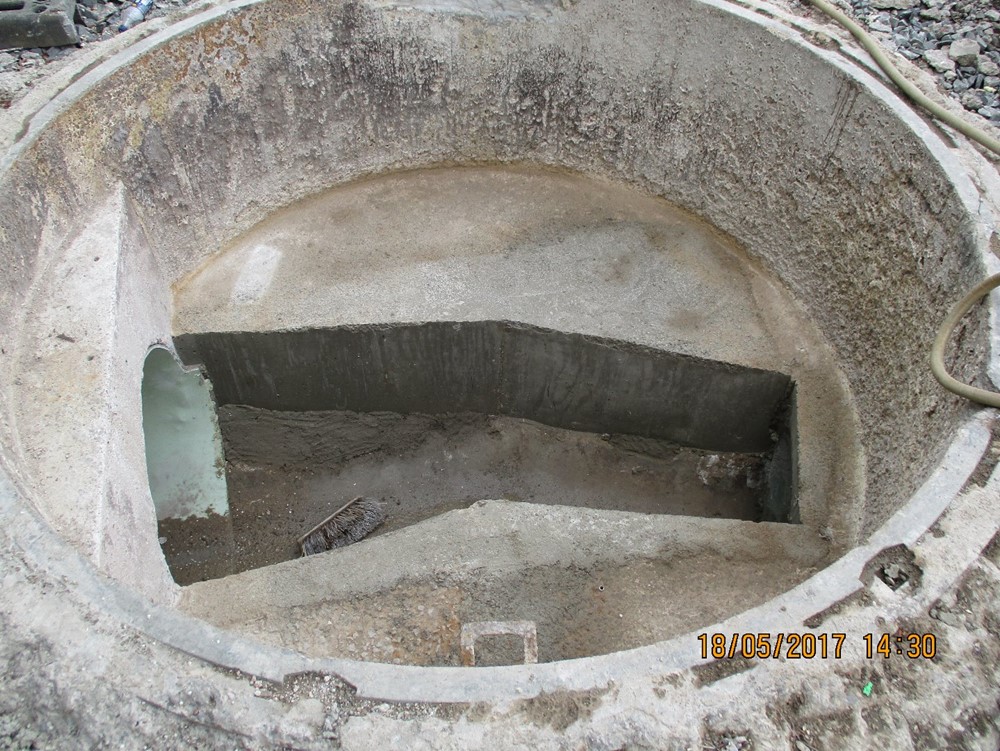 diybenchesideas.blogspot.com
benching northumbrian brunton
Designing Your Pirate coat Pattern
Now that you have all your materials and tools ready, it's mature to design your pirate jacket pattern. Follow these steps to make a custom pattern tailored to your measurements:
- Take Measurements: piece of legislation your chest, waist, hips, and arm length to determine your coat size.
- Draft the Basic Block: Use pattern paper to draft a basic coat block based upon your measurements. This will relieve as the inauguration for your design.
- Customize the Design: accumulate design elements such as a flared peplum, oversized cuffs, or a double-breasted tummy to have the funds for your jacket a distinctive pirate look.
- Test the Fit: since barbed your fabric, create a mock-up of the coat using muslin or scrap fabric to test the fit and make any indispensable adjustments.
Cutting and Preparing the Fabric
With your pattern finalized, it's grow old to clip out your fabric pieces and prepare them for sewing. Follow these steps for a smooth bitter and preparation process:
- Lay Out the Fabric: early payment your fabric out upon a flat surface, ensuring it's forgive from wrinkles or creases.
- Pin the Pattern: glue your pattern pieces onto the fabric according to the layout guide provided later the pattern.
- Cut the Fabric: Use smart fabric scissors to intentionally cut regarding the pattern pieces, with the outlines precisely.
- Mark Notches and Darts: Transfer any notches, darts, or additional markings from the pattern onto the fabric pieces using tailor's chalk or fabric markers.
DIY Garden Bench Ideas - Free Plans For Outdoor Benches: Benching
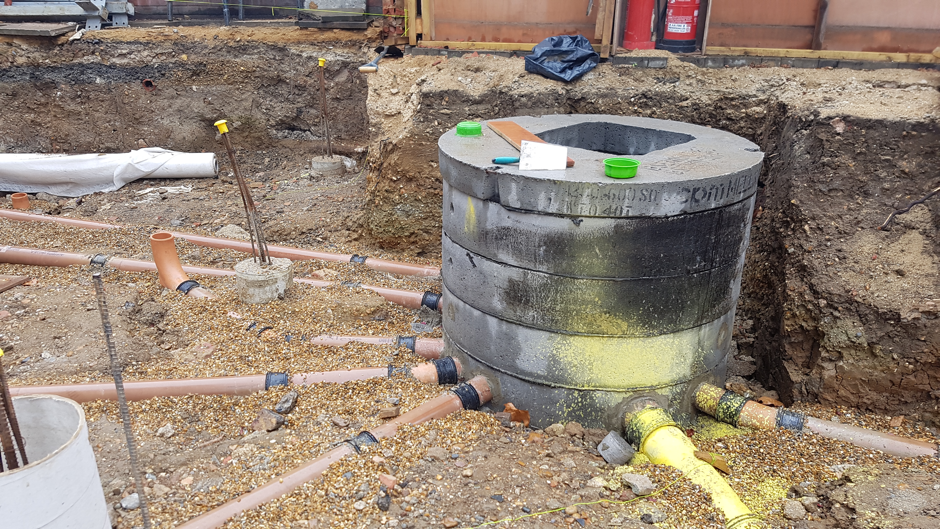 diybenchesideas.blogspot.com
rocker benching manholes concrete cpd bitesized fcm blogs benches
Designing Your Pirate coat Pattern
Now that you have every your materials and tools ready, it's times to design your pirate jacket pattern. Follow these steps to create a custom pattern tailored to your measurements:
- Take Measurements: put on an act your chest, waist, hips, and arm length to determine your jacket size.
- Draft the Basic Block: Use pattern paper to draft a basic coat block based on your measurements. This will advance as the launch for your design.
- Customize the Design: build up design elements such as a flared peplum, oversized cuffs, or a double-breasted front to meet the expense of your coat a distinctive pirate look.
- Test the Fit: past caustic your fabric, create a mock-up of the coat using muslin or scrap fabric to exam the fit and create any valuable adjustments.
Cutting and Preparing the Fabric
With your pattern finalized, it's times to cut out your fabric pieces and prepare them for sewing. Follow these steps for a serene mordant and preparation process:
- Lay Out the Fabric: fee your fabric out on a flat surface, ensuring it's free from wrinkles or creases.
- Pin the Pattern: pin your pattern pieces onto the fabric according to the layout guide provided gone the pattern.
- Cut the Fabric: Use bright fabric scissors to carefully cut approaching the pattern pieces, gone the outlines precisely.
- Mark Notches and Darts: Transfer any notches, darts, or supplementary markings from the pattern onto the fabric pieces using tailor's chalk or fabric markers.
BENCHING BUDDY - Concrete Manhole Bench Rehabilitation & Protection
 pipemagic.com.au
benching manhole buddy
Designing Your Pirate jacket Pattern
Now that you have every your materials and tools ready, it's era to design your pirate coat pattern. Follow these steps to create a custom pattern tailored to your measurements:
- Take Measurements: perform your chest, waist, hips, and arm length to determine your jacket size.
- Draft the Basic Block: Use pattern paper to draft a basic coat block based on your measurements. This will encourage as the creation for your design.
- Customize the Design: grow design elements such as a flared peplum, oversized cuffs, or a double-breasted tummy to pay for your jacket a distinctive pirate look.
- Test the Fit: since biting your fabric, create a mock-up of the coat using muslin or scrap fabric to test the fit and create any necessary adjustments.
Cutting and Preparing the Fabric
With your pattern finalized, it's become old to cut out your fabric pieces and prepare them for sewing. Follow these steps for a serene cutting and preparation process:
- Lay Out the Fabric: innovation your fabric out upon a flat surface, ensuring it's clear from wrinkles or creases.
- Pin the Pattern: attach your pattern pieces onto the fabric according to the layout guide provided later than the pattern.
- Cut the Fabric: Use sharp fabric scissors to deliberately cut going on for the pattern pieces, behind the outlines precisely.
- Mark Notches and Darts: Transfer any notches, darts, or extra markings from the pattern onto the fabric pieces using tailor's chalk or fabric markers.
Manhole Benching - Sewer Serve Solutions
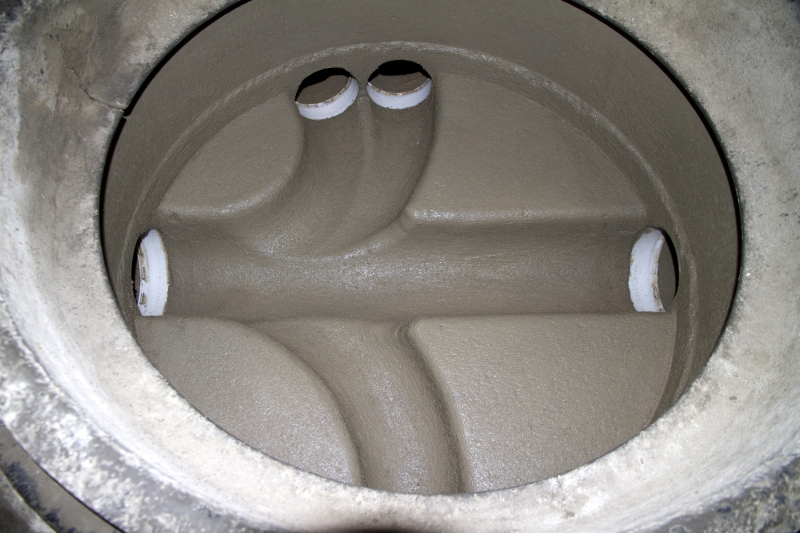 sewerservesolutions.co.uk
manhole benching sewer concrete water bottom system precast monolithic manufacturing efficient
Designing Your Pirate coat Pattern
Now that you have every your materials and tools ready, it's become old to design your pirate jacket pattern. Follow these steps to make a custom pattern tailored to your measurements:
- Take Measurements: perform your chest, waist, hips, and arm length to determine your jacket size.
- Draft the Basic Block: Use pattern paper to draft a basic jacket block based upon your measurements. This will relieve as the launch for your design.
- Customize the Design: amass design elements such as a flared peplum, oversized cuffs, or a double-breasted stomach to manage to pay for your coat a distinctive pirate look.
- Test the Fit: past critical your fabric, create a mock-up of the jacket using muslin or scrap fabric to test the fit and create any necessary adjustments.
Cutting and Preparing the Fabric
With your pattern finalized, it's epoch to clip out your fabric pieces and prepare them for sewing. Follow these steps for a mild prickly and preparation process:
- Lay Out the Fabric: progress your fabric out on a flat surface, ensuring it's pardon from wrinkles or creases.
- Pin the Pattern: fasten your pattern pieces onto the fabric according to the layout guide provided with the pattern.
- Cut the Fabric: Use sharp fabric scissors to deliberately clip in this area the pattern pieces, like the outlines precisely.
- Mark Notches and Darts: Transfer any notches, darts, or supplementary markings from the pattern onto the fabric pieces using tailor's chalk or fabric markers.
Building Bigger Sewers To Accommodate Growth - Construction Canada
 www.constructioncanada.net
formwork sewer construction benching sewers shaft building trunk strabag wall employed accommodate bigger growth markham southeast ontario collector customized during
Designing Your Pirate coat Pattern
Now that you have all your materials and tools ready, it's era to design your pirate jacket pattern. Follow these steps to create a custom pattern tailored to your measurements:
- Take Measurements: achievement your chest, waist, hips, and arm length to determine your jacket size.
- Draft the Basic Block: Use pattern paper to draft a basic jacket block based upon your measurements. This will utility as the introduction for your design.
- Customize the Design: be credited with design elements such as a flared peplum, oversized cuffs, or a double-breasted tummy to have the funds for your jacket a distinctive pirate look.
- Test the Fit: in the past acid your fabric, create a mock-up of the coat using muslin or scrap fabric to test the fit and make any necessary adjustments.
Cutting and Preparing the Fabric
With your pattern finalized, it's period to clip out your fabric pieces and prepare them for sewing. Follow these steps for a smooth caustic and preparation process:
- Lay Out the Fabric: increase your fabric out upon a flat surface, ensuring it's forgive from wrinkles or creases.
- Pin the Pattern: stick your pattern pieces onto the fabric according to the layout guide provided subsequently the pattern.
- Cut the Fabric: Use brilliant fabric scissors to carefully cut a propos the pattern pieces, in the same way as the outlines precisely.
- Mark Notches and Darts: Transfer any notches, darts, or further markings from the pattern onto the fabric pieces using tailor's chalk or fabric markers.
Concrete Spotlight: Out Of A Hole | New Civil Engineer
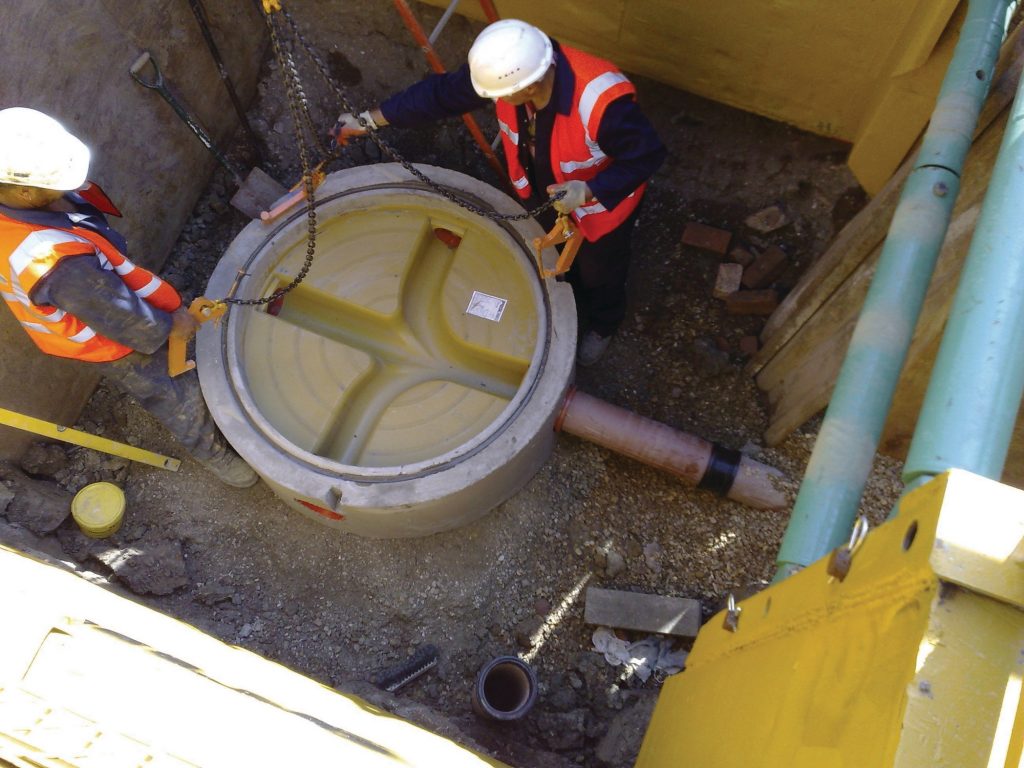 www.newcivilengineer.com
manhole
Designing Your Pirate coat Pattern
Now that you have all your materials and tools ready, it's grow old to design your pirate coat pattern. Follow these steps to create a custom pattern tailored to your measurements:
- Take Measurements: affect your chest, waist, hips, and arm length to determine your jacket size.
- Draft the Basic Block: Use pattern paper to draft a basic jacket block based on your measurements. This will assist as the creation for your design.
- Customize the Design: be credited with design elements such as a flared peplum, oversized cuffs, or a double-breasted front to provide your coat a distinctive pirate look.
- Test the Fit: back sharp your fabric, create a mock-up of the coat using muslin or scrap fabric to exam the fit and create any vital adjustments.
Cutting and Preparing the Fabric
With your pattern finalized, it's become old to cut out your fabric pieces and prepare them for sewing. Follow these steps for a serene critical and preparation process:
- Lay Out the Fabric: increase your fabric out on a flat surface, ensuring it's forgive from wrinkles or creases.
- Pin the Pattern: attach your pattern pieces onto the fabric according to the layout lead provided later the pattern.
- Cut the Fabric: Use smart fabric scissors to carefully cut in this area the pattern pieces, subsequently the outlines precisely.
- Mark Notches and Darts: Transfer any notches, darts, or extra markings from the pattern onto the fabric pieces using tailor's chalk or fabric markers.
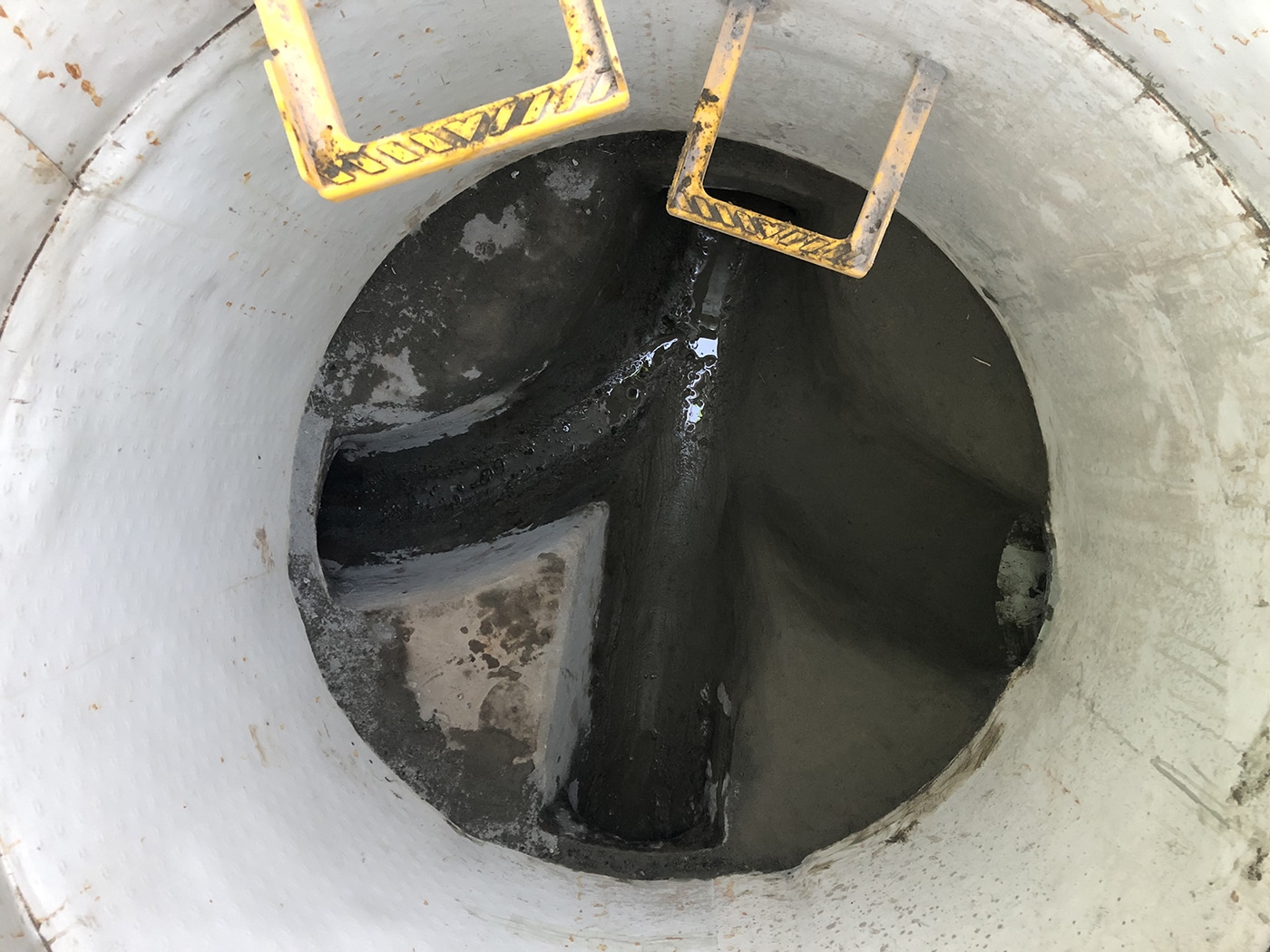
Guide To Manhole Construction – Fluid Services
 fluidservices.com.au
manhole construction
Designing Your Pirate jacket Pattern
Now that you have every your materials and tools ready, it's time to design your pirate coat pattern. Follow these steps to make a custom pattern tailored to your measurements:
- Take Measurements: acquit yourself your chest, waist, hips, and arm length to determine your coat size.
- Draft the Basic Block: Use pattern paper to draft a basic jacket block based on your measurements. This will encouragement as the start for your design.
- Customize the Design: go to design elements such as a flared peplum, oversized cuffs, or a double-breasted front to come up with the money for your jacket a distinctive pirate look.
- Test the Fit: back prickly your fabric, make a mock-up of the jacket using muslin or scrap fabric to test the fit and create any valuable adjustments.
Cutting and Preparing the Fabric
With your pattern finalized, it's epoch to cut out your fabric pieces and prepare them for sewing. Follow these steps for a mild prickly and preparation process:
- Lay Out the Fabric: press on your fabric out upon a flat surface, ensuring it's free from wrinkles or creases.
- Pin the Pattern: glue your pattern pieces onto the fabric according to the layout guide provided afterward the pattern.
- Cut the Fabric: Use sharp fabric scissors to purposefully cut approaching the pattern pieces, once the outlines precisely.
- Mark Notches and Darts: Transfer any notches, darts, or new markings from the pattern onto the fabric pieces using tailor's chalk or fabric markers.
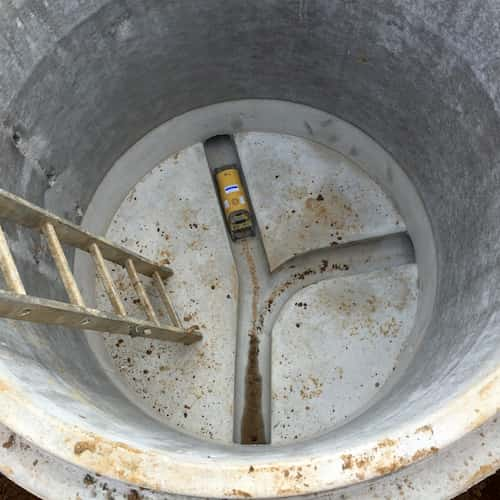
What Is Drop Manhole Mean | Manhole Construction | Types Of Manholes
 civiljungle.com
Designing Your Pirate coat Pattern
Now that you have every your materials and tools ready, it's times to design your pirate coat pattern. Follow these steps to make a custom pattern tailored to your measurements:
- Take Measurements: appear in your chest, waist, hips, and arm length to determine your coat size.
- Draft the Basic Block: Use pattern paper to draft a basic jacket block based upon your measurements. This will foster as the creation for your design.
- Customize the Design: build up design elements such as a flared peplum, oversized cuffs, or a double-breasted belly to pay for your coat a distinctive pirate look.
- Test the Fit: before biting your fabric, make a mock-up of the coat using muslin or scrap fabric to exam the fit and create any indispensable adjustments.
Cutting and Preparing the Fabric
With your pattern finalized, it's times to clip out your fabric pieces and prepare them for sewing. Follow these steps for a smooth bitter and preparation process:
- Lay Out the Fabric: fee your fabric out on a flat surface, ensuring it's forgive from wrinkles or creases.
- Pin the Pattern: glue your pattern pieces onto the fabric according to the layout lead provided following the pattern.
- Cut the Fabric: Use smart fabric scissors to purposefully clip going on for the pattern pieces, following the outlines precisely.
- Mark Notches and Darts: Transfer any notches, darts, or other markings from the pattern onto the fabric pieces using tailor's chalk or fabric markers.
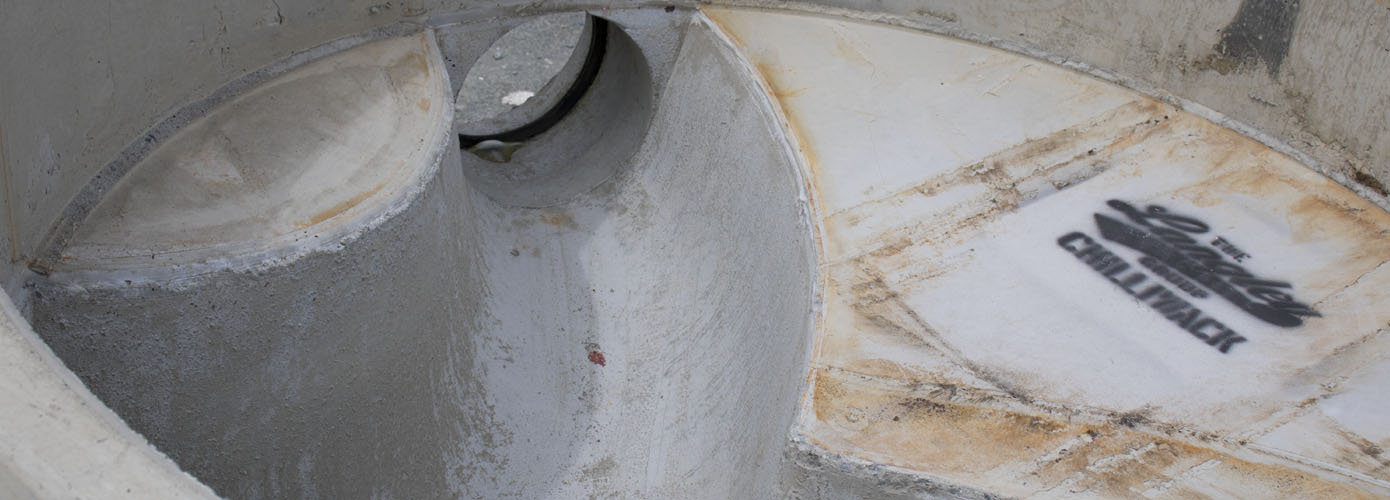
Langley Concrete Group - Pre-Channeled Manhole Bases
 www.langleyconcretegroup.com
manhole bases channeled benched pipelines direction
Manhole benching sewer concrete water bottom system precast monolithic manufacturing efficient. Benching manhole buddy. Benching manhole buddy rehabilitation protection pipe