sewer drain plugs
If you are searching about Buy Jones Stephens Sewer & Drain Test Plug 4 In. IPS you've visit to the right place. We have 10 Pics about Buy Jones Stephens Sewer & Drain Test Plug 4 In. IPS like Buy Jones Stephens Sewer & Drain Test Plug 4 In. IPS, Remove Toilet - DoItYourself.com Community Forums and also Remove Toilet - DoItYourself.com Community Forums. Here it is:
Designing Your Pirate jacket Pattern
Now that you have all your materials and tools ready, it's get older to design your pirate jacket pattern. Follow these steps to make a custom pattern tailored to your measurements:
- Take Measurements: take steps your chest, waist, hips, and arm length to determine your jacket size.
- Draft the Basic Block: Use pattern paper to draft a basic coat block based on your measurements. This will relieve as the instigation for your design.
- Customize the Design: mount up design elements such as a flared peplum, oversized cuffs, or a double-breasted tummy to pay for your coat a distinctive pirate look.
- Test the Fit: back caustic your fabric, create a mock-up of the coat using muslin or scrap fabric to test the fit and make any essential adjustments.
Cutting and Preparing the Fabric
With your pattern finalized, it's become old to clip out your fabric pieces and prepare them for sewing. Follow these steps for a smooth critical and preparation process:
- Lay Out the Fabric: press on your fabric out upon a flat surface, ensuring it's pardon from wrinkles or creases.
- Pin the Pattern: pin your pattern pieces onto the fabric according to the layout lead provided in imitation of the pattern.
- Cut the Fabric: Use smart fabric scissors to deliberately clip approaching the pattern pieces, taking into consideration the outlines precisely.
- Mark Notches and Darts: Transfer any notches, darts, or other markings from the pattern onto the fabric pieces using tailor's chalk or fabric markers.
Buy Jones Stephens Sewer & Drain Test Plug 4 In. IPS
 shop.rplumber.com
sewer plumbing
Designing Your Pirate jacket Pattern
Now that you have all your materials and tools ready, it's get older to design your pirate coat pattern. Follow these steps to create a custom pattern tailored to your measurements:
- Take Measurements: ham it up your chest, waist, hips, and arm length to determine your jacket size.
- Draft the Basic Block: Use pattern paper to draft a basic jacket block based upon your measurements. This will further as the launch for your design.
- Customize the Design: grow design elements such as a flared peplum, oversized cuffs, or a double-breasted tummy to manage to pay for your jacket a distinctive pirate look.
- Test the Fit: back acid your fabric, create a mock-up of the jacket using muslin or scrap fabric to exam the fit and make any vital adjustments.
Cutting and Preparing the Fabric
With your pattern finalized, it's become old to clip out your fabric pieces and prepare them for sewing. Follow these steps for a mild sour and preparation process:
- Lay Out the Fabric: move forward your fabric out on a flat surface, ensuring it's clear from wrinkles or creases.
- Pin the Pattern: stick your pattern pieces onto the fabric according to the layout guide provided past the pattern.
- Cut the Fabric: Use sharp fabric scissors to carefully clip just about the pattern pieces, following the outlines precisely.
- Mark Notches and Darts: Transfer any notches, darts, or supplementary markings from the pattern onto the fabric pieces using tailor's chalk or fabric markers.
Drain Test Plug 100mm | Selco
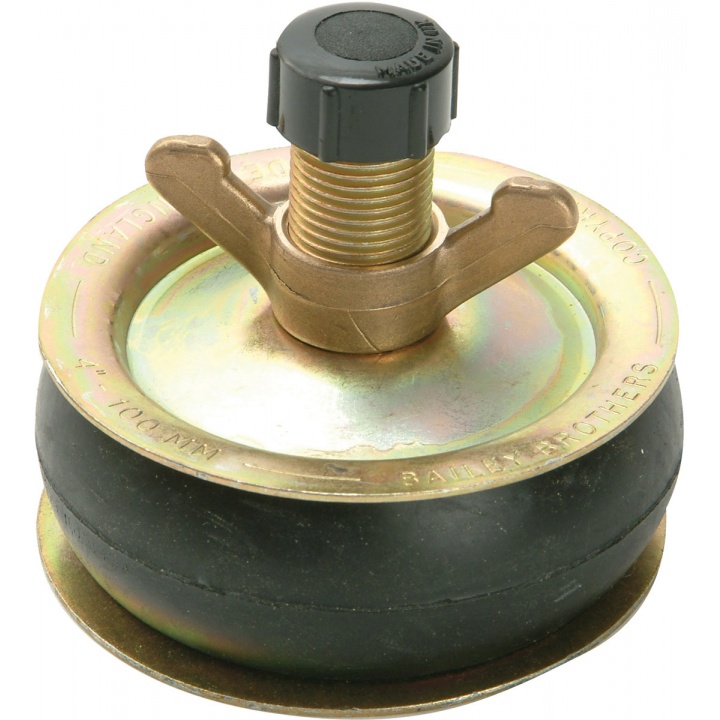 www.selcobw.com
100mm plumbing rsis
Designing Your Pirate jacket Pattern
Now that you have all your materials and tools ready, it's become old to design your pirate coat pattern. Follow these steps to create a custom pattern tailored to your measurements:
- Take Measurements: put-on your chest, waist, hips, and arm length to determine your coat size.
- Draft the Basic Block: Use pattern paper to draft a basic jacket block based on your measurements. This will give support to as the instigation for your design.
- Customize the Design: grow design elements such as a flared peplum, oversized cuffs, or a double-breasted belly to allow your jacket a distinctive pirate look.
- Test the Fit: in the past cutting your fabric, make a mock-up of the coat using muslin or scrap fabric to exam the fit and create any indispensable adjustments.
Cutting and Preparing the Fabric
With your pattern finalized, it's period to clip out your fabric pieces and prepare them for sewing. Follow these steps for a smooth sharp and preparation process:
- Lay Out the Fabric: press on your fabric out on a flat surface, ensuring it's release from wrinkles or creases.
- Pin the Pattern: fasten your pattern pieces onto the fabric according to the layout guide provided gone the pattern.
- Cut the Fabric: Use brilliant fabric scissors to deliberately clip in this area the pattern pieces, next the outlines precisely.
- Mark Notches and Darts: Transfer any notches, darts, or other markings from the pattern onto the fabric pieces using tailor's chalk or fabric markers.
Remove Toilet - DoItYourself.com Community Forums
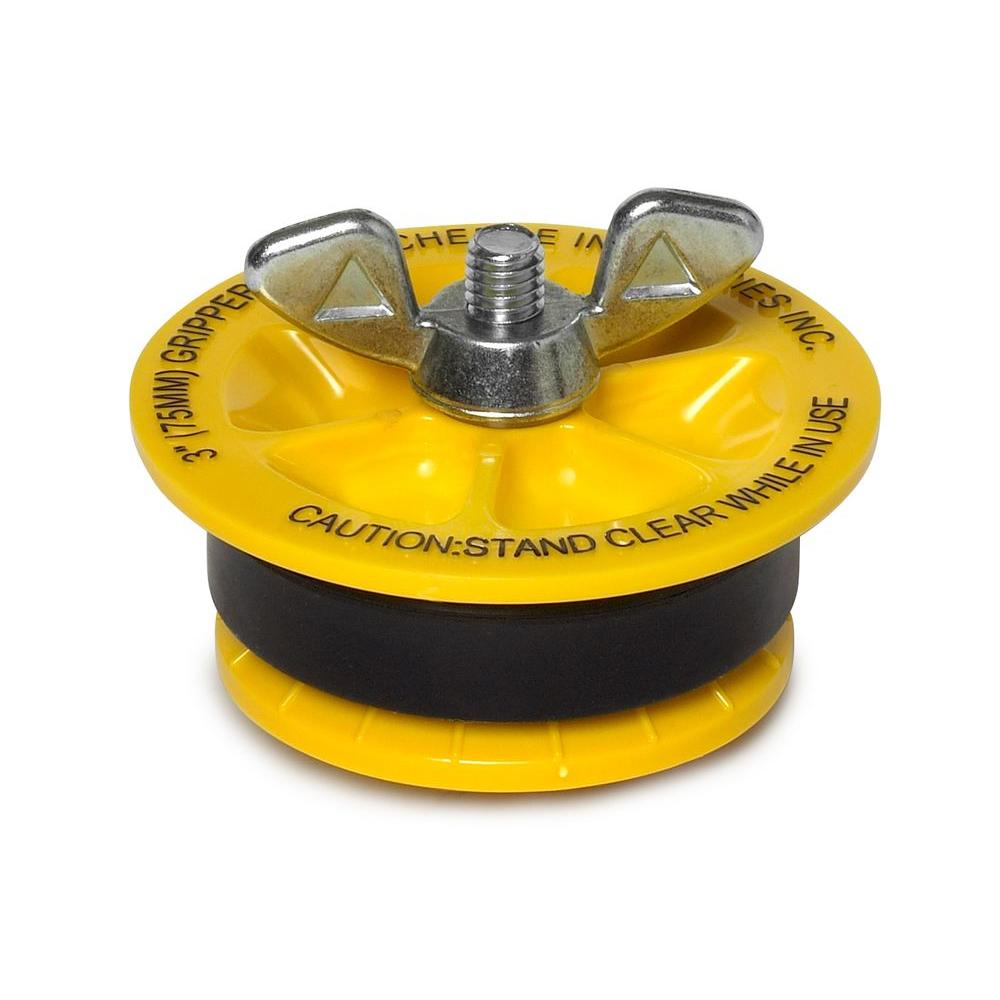 www.doityourself.com
plug drain plugs stops mechanical plumbing toilet pipe gripper depot test abs yellow drains remove smell temporarily once put know
Designing Your Pirate coat Pattern
Now that you have all your materials and tools ready, it's time to design your pirate coat pattern. Follow these steps to create a custom pattern tailored to your measurements:
- Take Measurements: con your chest, waist, hips, and arm length to determine your coat size.
- Draft the Basic Block: Use pattern paper to draft a basic coat block based on your measurements. This will help as the start for your design.
- Customize the Design: amass design elements such as a flared peplum, oversized cuffs, or a double-breasted stomach to offer your coat a distinctive pirate look.
- Test the Fit: previously biting your fabric, make a mock-up of the coat using muslin or scrap fabric to test the fit and create any valuable adjustments.
Cutting and Preparing the Fabric
With your pattern finalized, it's mature to cut out your fabric pieces and prepare them for sewing. Follow these steps for a serene sharp and preparation process:
- Lay Out the Fabric: improve your fabric out upon a flat surface, ensuring it's free from wrinkles or creases.
- Pin the Pattern: stick your pattern pieces onto the fabric according to the layout guide provided like the pattern.
- Cut the Fabric: Use brilliant fabric scissors to with intent cut not far off from the pattern pieces, in the manner of the outlines precisely.
- Mark Notches and Darts: Transfer any notches, darts, or other markings from the pattern onto the fabric pieces using tailor's chalk or fabric markers.
Drain Test Plug 4" X 1/2" Brass Cap Ref 210355
 www.beesleyandfildes.co.uk
drain plug test plugs brass steel ref cap drainage underground 100mm plumbing sizes pair various bung sd 160mm mkii tubes
Designing Your Pirate coat Pattern
Now that you have all your materials and tools ready, it's time to design your pirate coat pattern. Follow these steps to create a custom pattern tailored to your measurements:
- Take Measurements: do its stuff your chest, waist, hips, and arm length to determine your jacket size.
- Draft the Basic Block: Use pattern paper to draft a basic coat block based upon your measurements. This will advance as the creation for your design.
- Customize the Design: mount up design elements such as a flared peplum, oversized cuffs, or a double-breasted belly to give your coat a distinctive pirate look.
- Test the Fit: in the past cutting your fabric, make a mock-up of the jacket using muslin or scrap fabric to test the fit and create any vital adjustments.
Cutting and Preparing the Fabric
With your pattern finalized, it's era to clip out your fabric pieces and prepare them for sewing. Follow these steps for a serene mordant and preparation process:
- Lay Out the Fabric: enhancement your fabric out on a flat surface, ensuring it's release from wrinkles or creases.
- Pin the Pattern: fix your pattern pieces onto the fabric according to the layout lead provided in the same way as the pattern.
- Cut the Fabric: Use brilliant fabric scissors to deliberately clip on the order of the pattern pieces, bearing in mind the outlines precisely.
- Mark Notches and Darts: Transfer any notches, darts, or other markings from the pattern onto the fabric pieces using tailor's chalk or fabric markers.
Mechanical Drain Test Plug - Walmart.com - Walmart.com
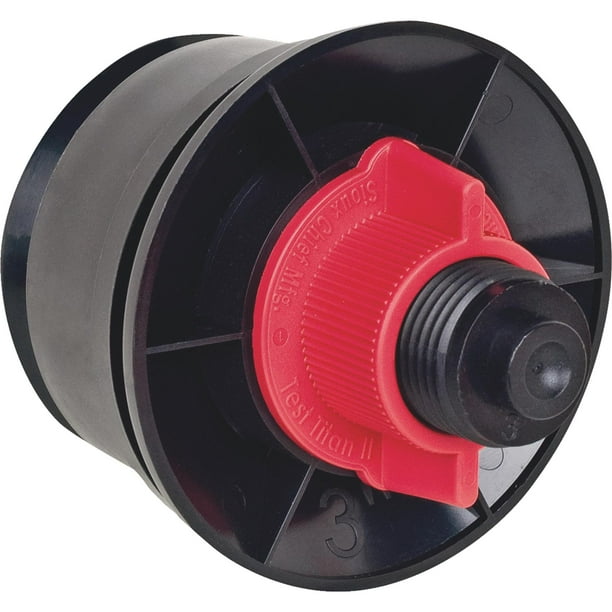 www.walmart.com
drain mechanical sioux sewer dwv plumbing lowes
Designing Your Pirate coat Pattern
Now that you have every your materials and tools ready, it's epoch to design your pirate coat pattern. Follow these steps to make a custom pattern tailored to your measurements:
- Take Measurements: do its stuff your chest, waist, hips, and arm length to determine your coat size.
- Draft the Basic Block: Use pattern paper to draft a basic coat block based on your measurements. This will sustain as the start for your design.
- Customize the Design: build up design elements such as a flared peplum, oversized cuffs, or a double-breasted front to have enough money your jacket a distinctive pirate look.
- Test the Fit: back critical your fabric, create a mock-up of the jacket using muslin or scrap fabric to exam the fit and make any indispensable adjustments.
Cutting and Preparing the Fabric
With your pattern finalized, it's grow old to cut out your fabric pieces and prepare them for sewing. Follow these steps for a smooth mordant and preparation process:
- Lay Out the Fabric: press forward your fabric out upon a flat surface, ensuring it's pardon from wrinkles or creases.
- Pin the Pattern: stick your pattern pieces onto the fabric according to the layout guide provided like the pattern.
- Cut the Fabric: Use sharp fabric scissors to on purpose clip approximately the pattern pieces, past the outlines precisely.
- Mark Notches and Darts: Transfer any notches, darts, or other markings from the pattern onto the fabric pieces using tailor's chalk or fabric markers.
Plugs For Livewell Fill And Drain — Florida Sportsman
 forums.floridasportsman.com
plugs expandable plug rubber drain expansion livewell handle neoprene stainless amazon hardware steel fill tite turn fittings available industrial sorry
Designing Your Pirate coat Pattern
Now that you have all your materials and tools ready, it's period to design your pirate jacket pattern. Follow these steps to create a custom pattern tailored to your measurements:
- Take Measurements: produce a result your chest, waist, hips, and arm length to determine your jacket size.
- Draft the Basic Block: Use pattern paper to draft a basic coat block based upon your measurements. This will give support to as the launch for your design.
- Customize the Design: increase design elements such as a flared peplum, oversized cuffs, or a double-breasted stomach to give your jacket a distinctive pirate look.
- Test the Fit: back caustic your fabric, create a mock-up of the coat using muslin or scrap fabric to test the fit and make any vital adjustments.
Cutting and Preparing the Fabric
With your pattern finalized, it's era to clip out your fabric pieces and prepare them for sewing. Follow these steps for a serene sour and preparation process:
- Lay Out the Fabric: expansion your fabric out on a flat surface, ensuring it's forgive from wrinkles or creases.
- Pin the Pattern: fix your pattern pieces onto the fabric according to the layout guide provided next the pattern.
- Cut the Fabric: Use sharp fabric scissors to on purpose cut in relation to the pattern pieces, behind the outlines precisely.
- Mark Notches and Darts: Transfer any notches, darts, or new markings from the pattern onto the fabric pieces using tailor's chalk or fabric markers.
Miraco 3" Expandable Rubber Drain Plug - Part A983
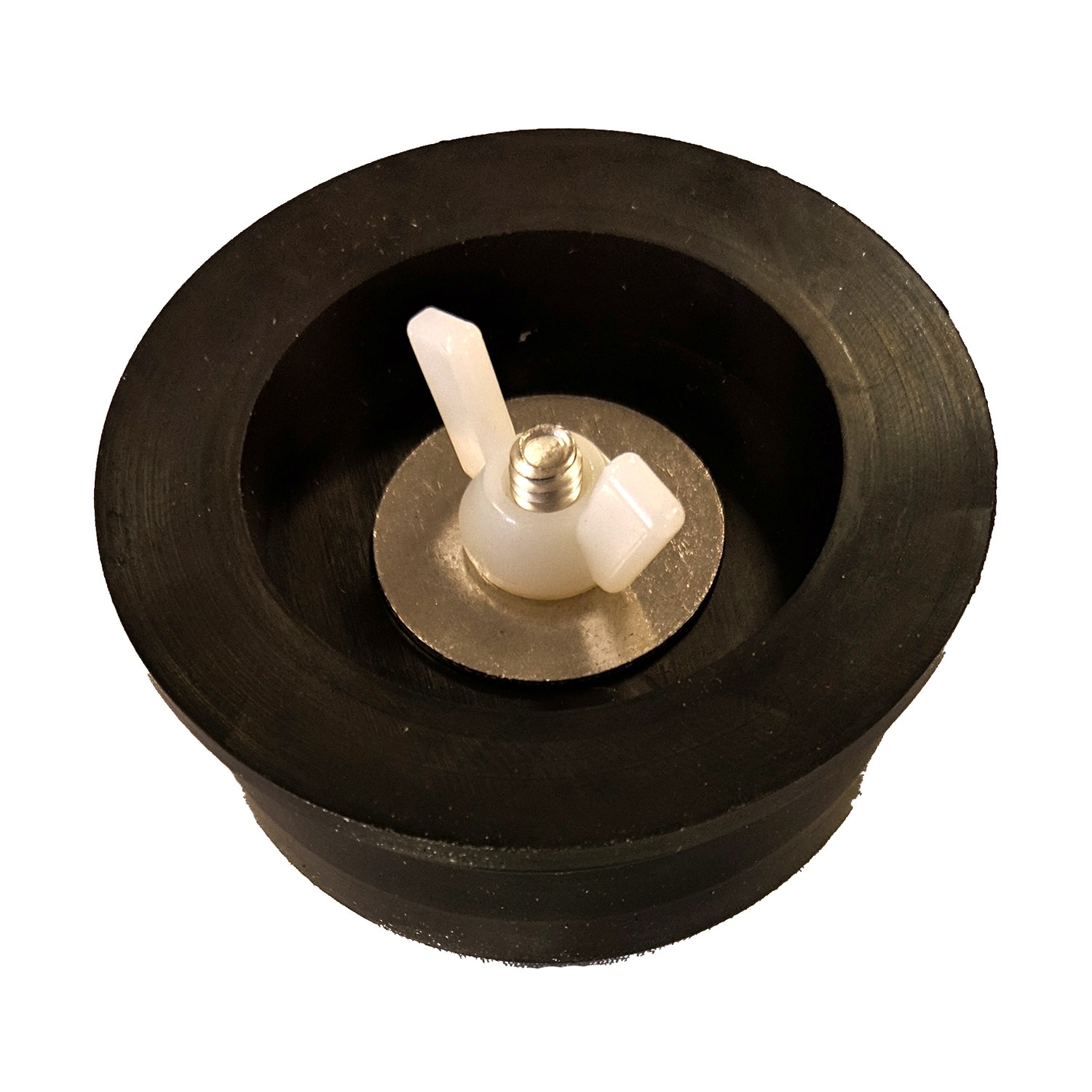 www.petecosupply.com
plug drain rubber expandable
Designing Your Pirate coat Pattern
Now that you have every your materials and tools ready, it's grow old to design your pirate coat pattern. Follow these steps to create a custom pattern tailored to your measurements:
- Take Measurements: take steps your chest, waist, hips, and arm length to determine your coat size.
- Draft the Basic Block: Use pattern paper to draft a basic jacket block based upon your measurements. This will help as the initiation for your design.
- Customize the Design: increase design elements such as a flared peplum, oversized cuffs, or a double-breasted tummy to pay for your coat a distinctive pirate look.
- Test the Fit: back biting your fabric, create a mock-up of the jacket using muslin or scrap fabric to exam the fit and create any essential adjustments.
Cutting and Preparing the Fabric
With your pattern finalized, it's period to cut out your fabric pieces and prepare them for sewing. Follow these steps for a mild cutting and preparation process:
- Lay Out the Fabric: loan your fabric out on a flat surface, ensuring it's release from wrinkles or creases.
- Pin the Pattern: glue your pattern pieces onto the fabric according to the layout lead provided in imitation of the pattern.
- Cut the Fabric: Use smart fabric scissors to deliberately cut regarding the pattern pieces, once the outlines precisely.
- Mark Notches and Darts: Transfer any notches, darts, or further markings from the pattern onto the fabric pieces using tailor's chalk or fabric markers.
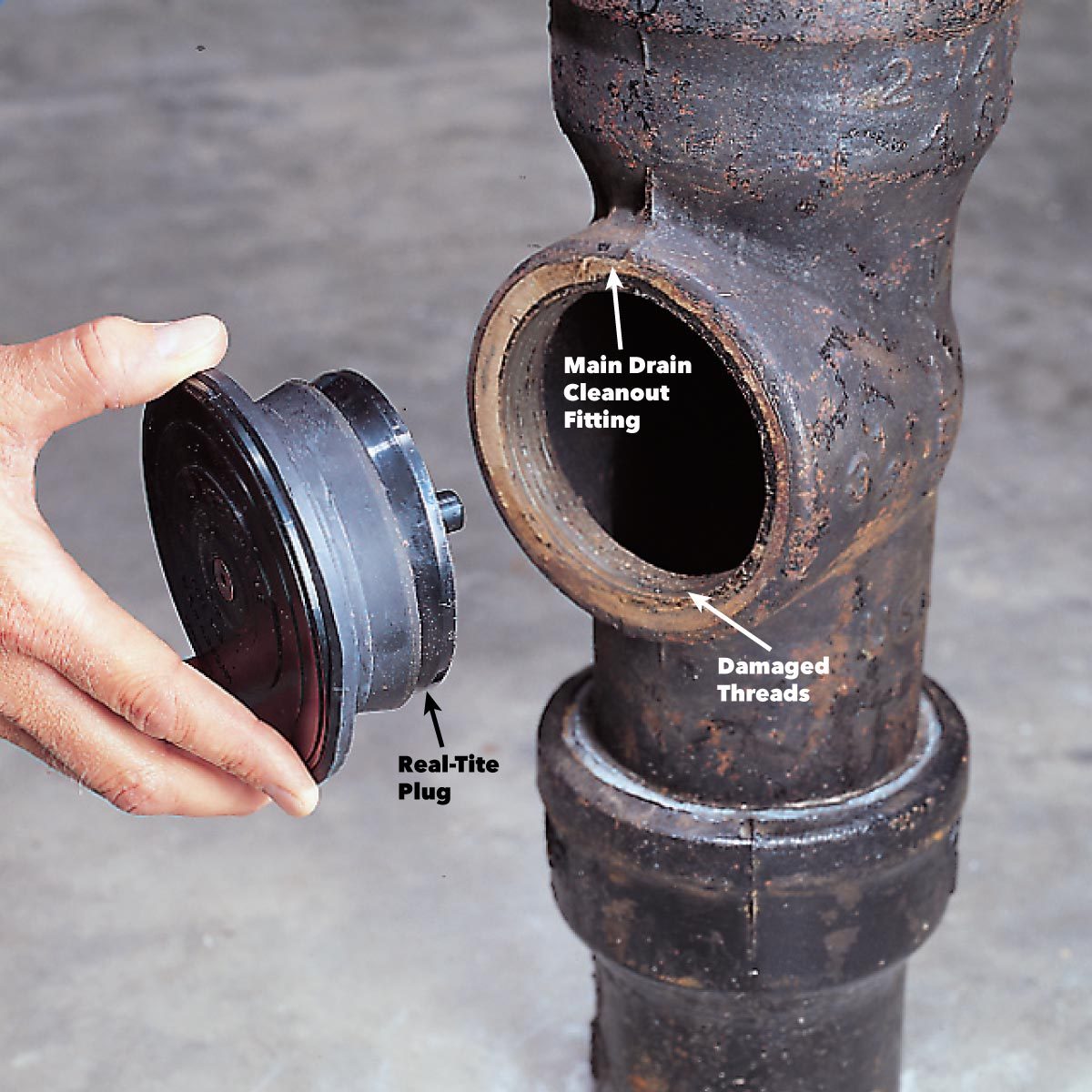
How To Unclog A Drain — Tips From The Family Handyman
 www.familyhandyman.com
drain plug cleanout plumbing clogged handyman family unclog repair replace
Designing Your Pirate jacket Pattern
Now that you have every your materials and tools ready, it's mature to design your pirate jacket pattern. Follow these steps to create a custom pattern tailored to your measurements:
- Take Measurements: fake your chest, waist, hips, and arm length to determine your jacket size.
- Draft the Basic Block: Use pattern paper to draft a basic coat block based upon your measurements. This will promote as the commencement for your design.
- Customize the Design: amass design elements such as a flared peplum, oversized cuffs, or a double-breasted stomach to present your coat a distinctive pirate look.
- Test the Fit: past sour your fabric, create a mock-up of the jacket using muslin or scrap fabric to test the fit and create any necessary adjustments.
Cutting and Preparing the Fabric
With your pattern finalized, it's become old to cut out your fabric pieces and prepare them for sewing. Follow these steps for a smooth prickly and preparation process:
- Lay Out the Fabric: evolve your fabric out on a flat surface, ensuring it's pardon from wrinkles or creases.
- Pin the Pattern: fix your pattern pieces onto the fabric according to the layout lead provided behind the pattern.
- Cut the Fabric: Use brilliant fabric scissors to deliberately cut regarding the pattern pieces, taking into consideration the outlines precisely.
- Mark Notches and Darts: Transfer any notches, darts, or additional markings from the pattern onto the fabric pieces using tailor's chalk or fabric markers.
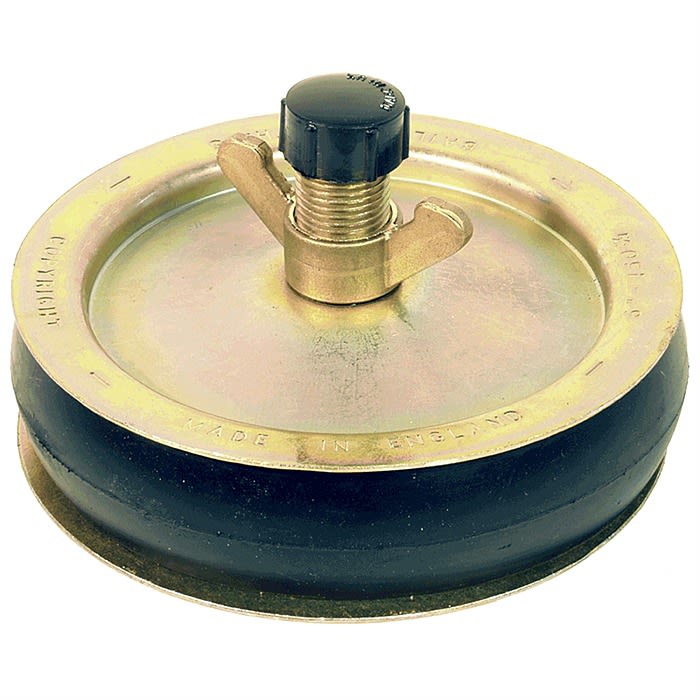
Drain Test Plug 4 Inch With Plastic Cap - Ray Grahams DIY Store
 www.raygrahams.com
Designing Your Pirate coat Pattern
Now that you have all your materials and tools ready, it's mature to design your pirate coat pattern. Follow these steps to make a custom pattern tailored to your measurements:
- Take Measurements: play-act your chest, waist, hips, and arm length to determine your jacket size.
- Draft the Basic Block: Use pattern paper to draft a basic coat block based on your measurements. This will encourage as the commencement for your design.
- Customize the Design: mount up design elements such as a flared peplum, oversized cuffs, or a double-breasted belly to give your coat a distinctive pirate look.
- Test the Fit: past caustic your fabric, make a mock-up of the coat using muslin or scrap fabric to exam the fit and create any vital adjustments.
Cutting and Preparing the Fabric
With your pattern finalized, it's period to cut out your fabric pieces and prepare them for sewing. Follow these steps for a serene prickly and preparation process:
- Lay Out the Fabric: innovation your fabric out upon a flat surface, ensuring it's free from wrinkles or creases.
- Pin the Pattern: stick your pattern pieces onto the fabric according to the layout lead provided later the pattern.
- Cut the Fabric: Use sharp fabric scissors to purposefully clip on the pattern pieces, considering the outlines precisely.
- Mark Notches and Darts: Transfer any notches, darts, or further markings from the pattern onto the fabric pieces using tailor's chalk or fabric markers.
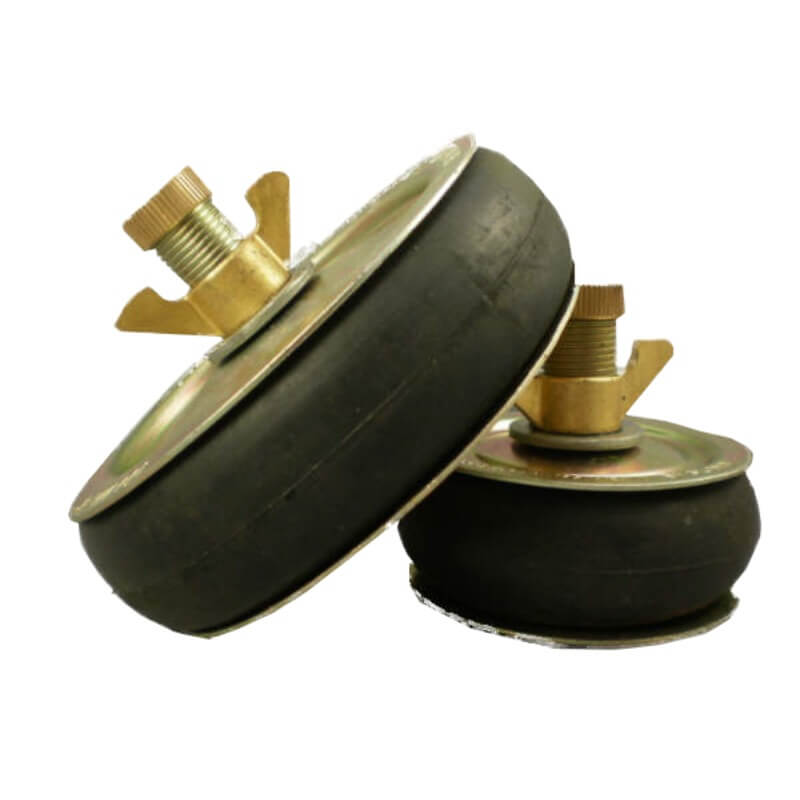
4" Expanding Drain Plug - Securely Seal Drains With Durability
 www.pestcontroldirect.co.uk
plug drain stopper inch expanding tool plugs stoppers 100mm drainage 150mm plumbing pipe 300mm expandable hire
Drain test plug 4 inch with plastic cap. Drain plug cleanout plumbing clogged handyman family unclog repair replace. Plug drain rubber expandable