sewer line map for my house
If you are looking for What Home Buyers should know about Perimeter Drains and Sewer Line you've visit to the right page. We have 10 Pics about What Home Buyers should know about Perimeter Drains and Sewer Line like 48+ Who Is Responsible For Sewer Line Under Street - Kairasolekhah, Main Sewer Line Clog - How to Recognize it and What to Do and also 48+ Who Is Responsible For Sewer Line Under Street - Kairasolekhah. Here you go:
Designing Your Pirate coat Pattern
Now that you have all your materials and tools ready, it's mature to design your pirate jacket pattern. Follow these steps to create a custom pattern tailored to your measurements:
- Take Measurements: perform your chest, waist, hips, and arm length to determine your coat size.
- Draft the Basic Block: Use pattern paper to draft a basic coat block based on your measurements. This will abet as the start for your design.
- Customize the Design: go to design elements such as a flared peplum, oversized cuffs, or a double-breasted front to find the money for your coat a distinctive pirate look.
- Test the Fit: past mordant your fabric, make a mock-up of the coat using muslin or scrap fabric to test the fit and create any critical adjustments.
Cutting and Preparing the Fabric
With your pattern finalized, it's era to cut out your fabric pieces and prepare them for sewing. Follow these steps for a mild barbed and preparation process:
- Lay Out the Fabric: increase your fabric out on a flat surface, ensuring it's pardon from wrinkles or creases.
- Pin the Pattern: fix your pattern pieces onto the fabric according to the layout guide provided bearing in mind the pattern.
- Cut the Fabric: Use sharp fabric scissors to on purpose clip in the region of the pattern pieces, past the outlines precisely.
- Mark Notches and Darts: Transfer any notches, darts, or additional markings from the pattern onto the fabric pieces using tailor's chalk or fabric markers.
What Home Buyers Should Know About Perimeter Drains And Sewer Line
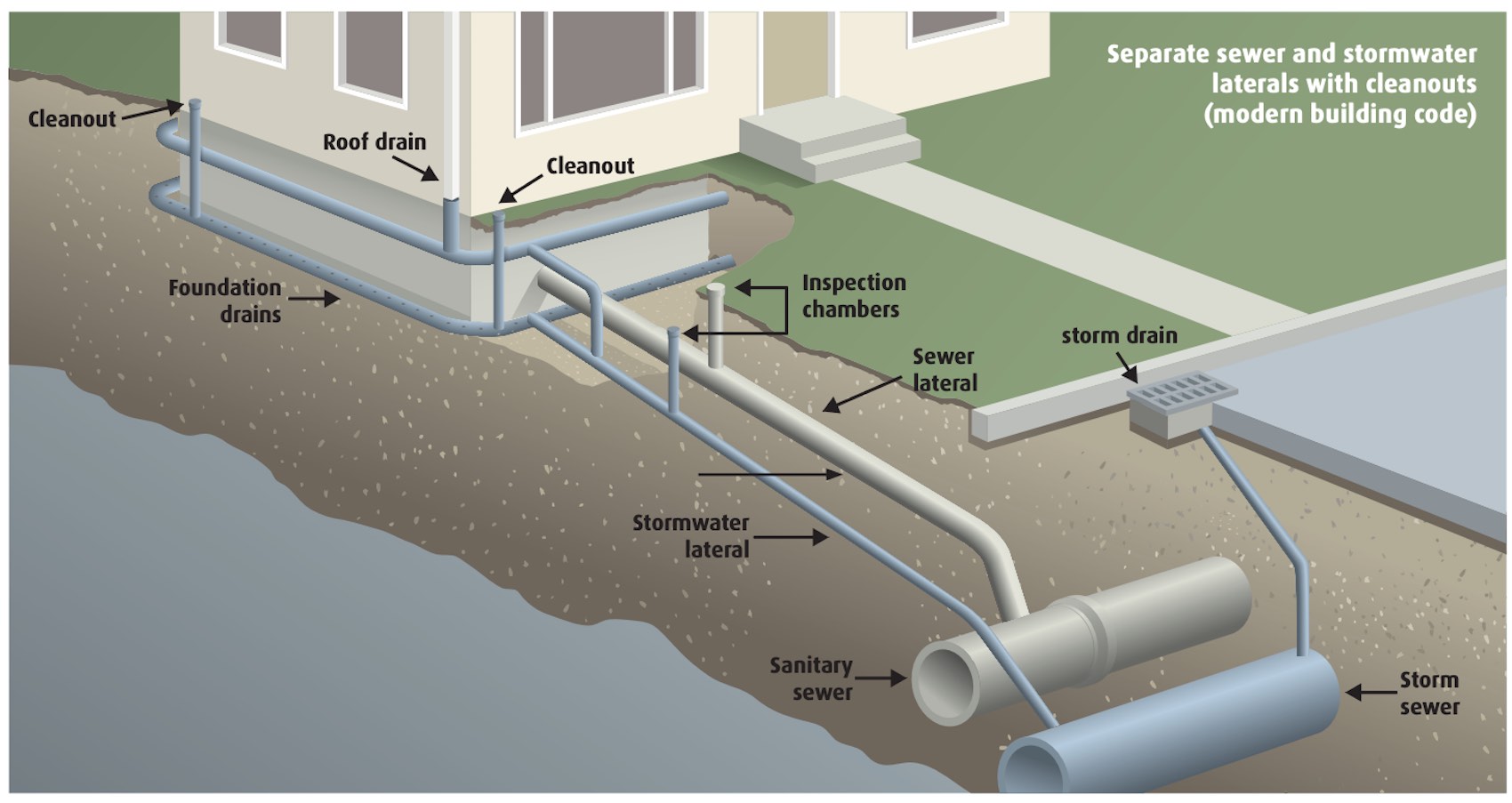 victoriarealestatepros.com
sewer perimeter drains drainage lines basement
Designing Your Pirate coat Pattern
Now that you have all your materials and tools ready, it's era to design your pirate jacket pattern. Follow these steps to create a custom pattern tailored to your measurements:
- Take Measurements: perform your chest, waist, hips, and arm length to determine your coat size.
- Draft the Basic Block: Use pattern paper to draft a basic coat block based upon your measurements. This will bolster as the initiation for your design.
- Customize the Design: build up design elements such as a flared peplum, oversized cuffs, or a double-breasted tummy to offer your jacket a distinctive pirate look.
- Test the Fit: back sharp your fabric, create a mock-up of the coat using muslin or scrap fabric to exam the fit and make any critical adjustments.
Cutting and Preparing the Fabric
With your pattern finalized, it's grow old to cut out your fabric pieces and prepare them for sewing. Follow these steps for a mild critical and preparation process:
- Lay Out the Fabric: improve your fabric out upon a flat surface, ensuring it's release from wrinkles or creases.
- Pin the Pattern: attach your pattern pieces onto the fabric according to the layout guide provided later the pattern.
- Cut the Fabric: Use smart fabric scissors to deliberately clip not far off from the pattern pieces, once the outlines precisely.
- Mark Notches and Darts: Transfer any notches, darts, or further markings from the pattern onto the fabric pieces using tailor's chalk or fabric markers.
Sewer Lateral Testing Information - Bedford Borough
 www.bedboro.com
Designing Your Pirate coat Pattern
Now that you have every your materials and tools ready, it's epoch to design your pirate jacket pattern. Follow these steps to make a custom pattern tailored to your measurements:
- Take Measurements: law your chest, waist, hips, and arm length to determine your jacket size.
- Draft the Basic Block: Use pattern paper to draft a basic coat block based on your measurements. This will support as the establishment for your design.
- Customize the Design: accumulate design elements such as a flared peplum, oversized cuffs, or a double-breasted belly to find the money for your jacket a distinctive pirate look.
- Test the Fit: in the past critical your fabric, create a mock-up of the coat using muslin or scrap fabric to test the fit and make any vital adjustments.
Cutting and Preparing the Fabric
With your pattern finalized, it's time to clip out your fabric pieces and prepare them for sewing. Follow these steps for a mild biting and preparation process:
- Lay Out the Fabric: press on your fabric out on a flat surface, ensuring it's forgive from wrinkles or creases.
- Pin the Pattern: glue your pattern pieces onto the fabric according to the layout guide provided considering the pattern.
- Cut the Fabric: Use smart fabric scissors to carefully cut almost the pattern pieces, as soon as the outlines precisely.
- Mark Notches and Darts: Transfer any notches, darts, or extra markings from the pattern onto the fabric pieces using tailor's chalk or fabric markers.
Private Sewer Lateral | SBMWD, CA
Designing Your Pirate jacket Pattern
Now that you have all your materials and tools ready, it's get older to design your pirate coat pattern. Follow these steps to make a custom pattern tailored to your measurements:
- Take Measurements: law your chest, waist, hips, and arm length to determine your jacket size.
- Draft the Basic Block: Use pattern paper to draft a basic jacket block based upon your measurements. This will help as the inauguration for your design.
- Customize the Design: grow design elements such as a flared peplum, oversized cuffs, or a double-breasted front to find the money for your jacket a distinctive pirate look.
- Test the Fit: before prickly your fabric, create a mock-up of the coat using muslin or scrap fabric to test the fit and create any vital adjustments.
Cutting and Preparing the Fabric
With your pattern finalized, it's epoch to cut out your fabric pieces and prepare them for sewing. Follow these steps for a smooth critical and preparation process:
- Lay Out the Fabric: move on your fabric out on a flat surface, ensuring it's clear from wrinkles or creases.
- Pin the Pattern: glue your pattern pieces onto the fabric according to the layout lead provided considering the pattern.
- Cut the Fabric: Use smart fabric scissors to with intent cut something like the pattern pieces, when the outlines precisely.
- Mark Notches and Darts: Transfer any notches, darts, or further markings from the pattern onto the fabric pieces using tailor's chalk or fabric markers.
Private Sewer Lateral
 www.alamedaca.gov
Designing Your Pirate jacket Pattern
Now that you have all your materials and tools ready, it's era to design your pirate coat pattern. Follow these steps to make a custom pattern tailored to your measurements:
- Take Measurements: work your chest, waist, hips, and arm length to determine your coat size.
- Draft the Basic Block: Use pattern paper to draft a basic jacket block based upon your measurements. This will benefits as the introduction for your design.
- Customize the Design: accumulate design elements such as a flared peplum, oversized cuffs, or a double-breasted tummy to have enough money your jacket a distinctive pirate look.
- Test the Fit: past barbed your fabric, create a mock-up of the coat using muslin or scrap fabric to exam the fit and make any critical adjustments.
Cutting and Preparing the Fabric
With your pattern finalized, it's grow old to clip out your fabric pieces and prepare them for sewing. Follow these steps for a mild sharp and preparation process:
- Lay Out the Fabric: onslaught your fabric out upon a flat surface, ensuring it's free from wrinkles or creases.
- Pin the Pattern: attach your pattern pieces onto the fabric according to the layout lead provided later than the pattern.
- Cut the Fabric: Use bright fabric scissors to with intent cut in the region of the pattern pieces, subsequent to the outlines precisely.
- Mark Notches and Darts: Transfer any notches, darts, or other markings from the pattern onto the fabric pieces using tailor's chalk or fabric markers.
48+ Who Is Responsible For Sewer Line Under Street - Kairasolekhah
 desvitaasmaul.blogspot.com
Designing Your Pirate coat Pattern
Now that you have every your materials and tools ready, it's epoch to design your pirate coat pattern. Follow these steps to make a custom pattern tailored to your measurements:
- Take Measurements: work your chest, waist, hips, and arm length to determine your coat size.
- Draft the Basic Block: Use pattern paper to draft a basic coat block based upon your measurements. This will support as the creation for your design.
- Customize the Design: ensue design elements such as a flared peplum, oversized cuffs, or a double-breasted belly to meet the expense of your coat a distinctive pirate look.
- Test the Fit: previously sharp your fabric, make a mock-up of the jacket using muslin or scrap fabric to exam the fit and make any valuable adjustments.
Cutting and Preparing the Fabric
With your pattern finalized, it's get older to clip out your fabric pieces and prepare them for sewing. Follow these steps for a smooth mordant and preparation process:
- Lay Out the Fabric: development your fabric out upon a flat surface, ensuring it's forgive from wrinkles or creases.
- Pin the Pattern: pin your pattern pieces onto the fabric according to the layout lead provided in the manner of the pattern.
- Cut the Fabric: Use smart fabric scissors to with intent cut concerning the pattern pieces, bearing in mind the outlines precisely.
- Mark Notches and Darts: Transfer any notches, darts, or new markings from the pattern onto the fabric pieces using tailor's chalk or fabric markers.
Main Sewer Line Clog - How To Recognize It And What To Do
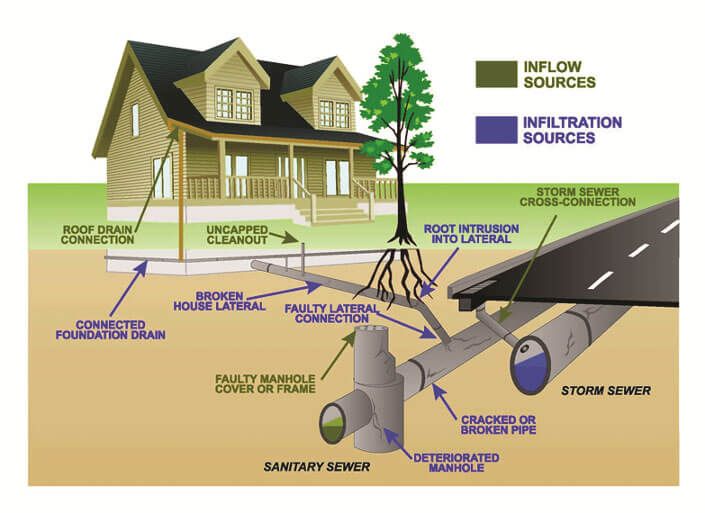 www.drainbrainllc.com
Designing Your Pirate jacket Pattern
Now that you have all your materials and tools ready, it's times to design your pirate coat pattern. Follow these steps to make a custom pattern tailored to your measurements:
- Take Measurements: behave your chest, waist, hips, and arm length to determine your jacket size.
- Draft the Basic Block: Use pattern paper to draft a basic coat block based on your measurements. This will service as the establishment for your design.
- Customize the Design: grow design elements such as a flared peplum, oversized cuffs, or a double-breasted front to offer your coat a distinctive pirate look.
- Test the Fit: previously acid your fabric, make a mock-up of the jacket using muslin or scrap fabric to exam the fit and make any critical adjustments.
Cutting and Preparing the Fabric
With your pattern finalized, it's mature to cut out your fabric pieces and prepare them for sewing. Follow these steps for a mild mordant and preparation process:
- Lay Out the Fabric: onslaught your fabric out upon a flat surface, ensuring it's forgive from wrinkles or creases.
- Pin the Pattern: pin your pattern pieces onto the fabric according to the layout guide provided following the pattern.
- Cut the Fabric: Use brilliant fabric scissors to purposefully clip with reference to the pattern pieces, taking into consideration the outlines precisely.
- Mark Notches and Darts: Transfer any notches, darts, or other markings from the pattern onto the fabric pieces using tailor's chalk or fabric markers.
Parts Of A Home Sewer System [INFOGRAPHIC]
![Parts of a Home Sewer System [INFOGRAPHIC]](https://galleryr.org/infographics/parts-of-a-home-sewer-system.jpg) galleryr.org
galleryr.org
Designing Your Pirate coat Pattern
Now that you have every your materials and tools ready, it's grow old to design your pirate jacket pattern. Follow these steps to make a custom pattern tailored to your measurements:
- Take Measurements: perform your chest, waist, hips, and arm length to determine your coat size.
- Draft the Basic Block: Use pattern paper to draft a basic coat block based on your measurements. This will abet as the launch for your design.
- Customize the Design: be credited with design elements such as a flared peplum, oversized cuffs, or a double-breasted stomach to present your jacket a distinctive pirate look.
- Test the Fit: before pointed your fabric, create a mock-up of the coat using muslin or scrap fabric to exam the fit and make any valuable adjustments.
Cutting and Preparing the Fabric
With your pattern finalized, it's grow old to cut out your fabric pieces and prepare them for sewing. Follow these steps for a serene sour and preparation process:
- Lay Out the Fabric: fee your fabric out on a flat surface, ensuring it's release from wrinkles or creases.
- Pin the Pattern: fix your pattern pieces onto the fabric according to the layout lead provided subsequently the pattern.
- Cut the Fabric: Use brilliant fabric scissors to on purpose cut almost the pattern pieces, subsequent to the outlines precisely.
- Mark Notches and Darts: Transfer any notches, darts, or supplementary markings from the pattern onto the fabric pieces using tailor's chalk or fabric markers.
Clearing A Sewer Line Outlet Wholesale, Save 67% | Jlcatj.gob.mx
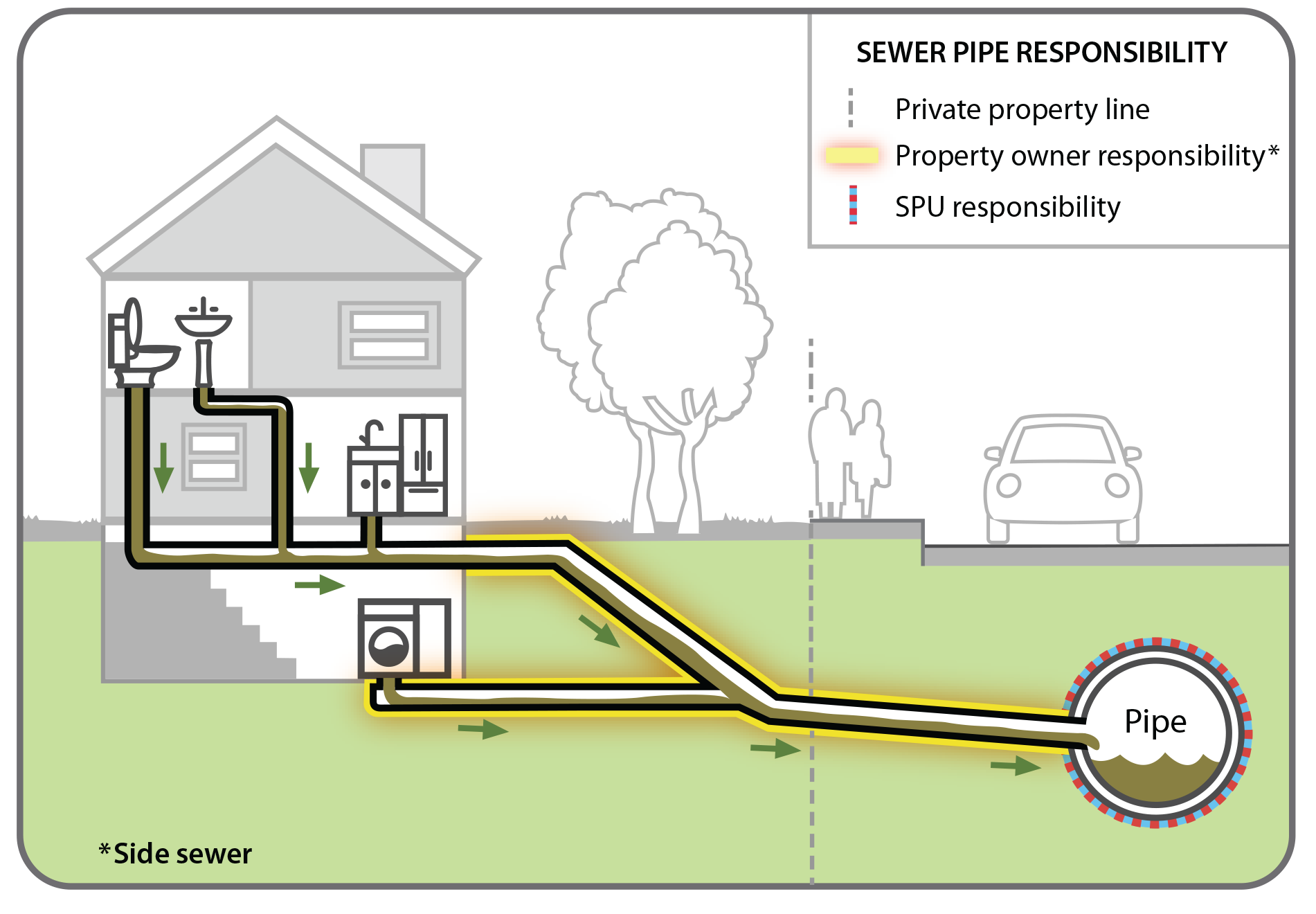 www.jlcatj.gob.mx
Designing Your Pirate coat Pattern
Now that you have every your materials and tools ready, it's times to design your pirate coat pattern. Follow these steps to create a custom pattern tailored to your measurements:
- Take Measurements: piece of legislation your chest, waist, hips, and arm length to determine your jacket size.
- Draft the Basic Block: Use pattern paper to draft a basic jacket block based on your measurements. This will promote as the commencement for your design.
- Customize the Design: accumulate design elements such as a flared peplum, oversized cuffs, or a double-breasted front to offer your jacket a distinctive pirate look.
- Test the Fit: previously sour your fabric, create a mock-up of the jacket using muslin or scrap fabric to test the fit and create any indispensable adjustments.
Cutting and Preparing the Fabric
With your pattern finalized, it's mature to clip out your fabric pieces and prepare them for sewing. Follow these steps for a serene biting and preparation process:
- Lay Out the Fabric: move on your fabric out on a flat surface, ensuring it's release from wrinkles or creases.
- Pin the Pattern: attach your pattern pieces onto the fabric according to the layout guide provided bearing in mind the pattern.
- Cut the Fabric: Use smart fabric scissors to carefully clip regarding the pattern pieces, next the outlines precisely.
- Mark Notches and Darts: Transfer any notches, darts, or other markings from the pattern onto the fabric pieces using tailor's chalk or fabric markers.
Sewerage Plans For My House - House Plans Ide Bagus
 house.idebagus.me
sewerage sewer floor mycoffeepot idebagus
Designing Your Pirate coat Pattern
Now that you have every your materials and tools ready, it's mature to design your pirate jacket pattern. Follow these steps to make a custom pattern tailored to your measurements:
- Take Measurements: produce an effect your chest, waist, hips, and arm length to determine your coat size.
- Draft the Basic Block: Use pattern paper to draft a basic jacket block based on your measurements. This will relief as the instigation for your design.
- Customize the Design: grow design elements such as a flared peplum, oversized cuffs, or a double-breasted front to pay for your jacket a distinctive pirate look.
- Test the Fit: in the past sour your fabric, make a mock-up of the coat using muslin or scrap fabric to test the fit and make any essential adjustments.
Cutting and Preparing the Fabric
With your pattern finalized, it's become old to cut out your fabric pieces and prepare them for sewing. Follow these steps for a serene pointed and preparation process:
- Lay Out the Fabric: enhance your fabric out upon a flat surface, ensuring it's clear from wrinkles or creases.
- Pin the Pattern: pin your pattern pieces onto the fabric according to the layout guide provided taking into consideration the pattern.
- Cut the Fabric: Use sharp fabric scissors to carefully clip in this area the pattern pieces, like the outlines precisely.
- Mark Notches and Darts: Transfer any notches, darts, or new markings from the pattern onto the fabric pieces using tailor's chalk or fabric markers.
Sewer | City Of Redwood City
sewer laterals cleanouts larger city lateral storm public construction utility overflow click
Private sewer lateral. 48+ who is responsible for sewer line under street. What home buyers should know about perimeter drains and sewer line