sewer line repair folsom
If you are looking for Sewer Repair vs Replacement: When Is Either Option Ideal? you've visit to the right place. We have 10 Pics about Sewer Repair vs Replacement: When Is Either Option Ideal? like Do I Need to Pay For a High-Quality Sewer Video Examination Prior To a, Sewer Line Repair in Cincinnati Ohio | G and R Plumbing and also Sewer Line Repair Job - Hydrostatic Pressure Test in Whittier - High. Here you go:
Designing Your Pirate coat Pattern
Now that you have all your materials and tools ready, it's era to design your pirate jacket pattern. Follow these steps to create a custom pattern tailored to your measurements:
- Take Measurements: doing your chest, waist, hips, and arm length to determine your jacket size.
- Draft the Basic Block: Use pattern paper to draft a basic jacket block based on your measurements. This will advance as the opening for your design.
- Customize the Design: build up design elements such as a flared peplum, oversized cuffs, or a double-breasted front to present your coat a distinctive pirate look.
- Test the Fit: in the past sharp your fabric, create a mock-up of the jacket using muslin or scrap fabric to test the fit and make any essential adjustments.
Cutting and Preparing the Fabric
With your pattern finalized, it's epoch to cut out your fabric pieces and prepare them for sewing. Follow these steps for a mild bitter and preparation process:
- Lay Out the Fabric: forward movement your fabric out upon a flat surface, ensuring it's free from wrinkles or creases.
- Pin the Pattern: stick your pattern pieces onto the fabric according to the layout guide provided in the same way as the pattern.
- Cut the Fabric: Use bright fabric scissors to carefully clip in relation to the pattern pieces, with the outlines precisely.
- Mark Notches and Darts: Transfer any notches, darts, or new markings from the pattern onto the fabric pieces using tailor's chalk or fabric markers.
Sewer Repair Vs Replacement: When Is Either Option Ideal?
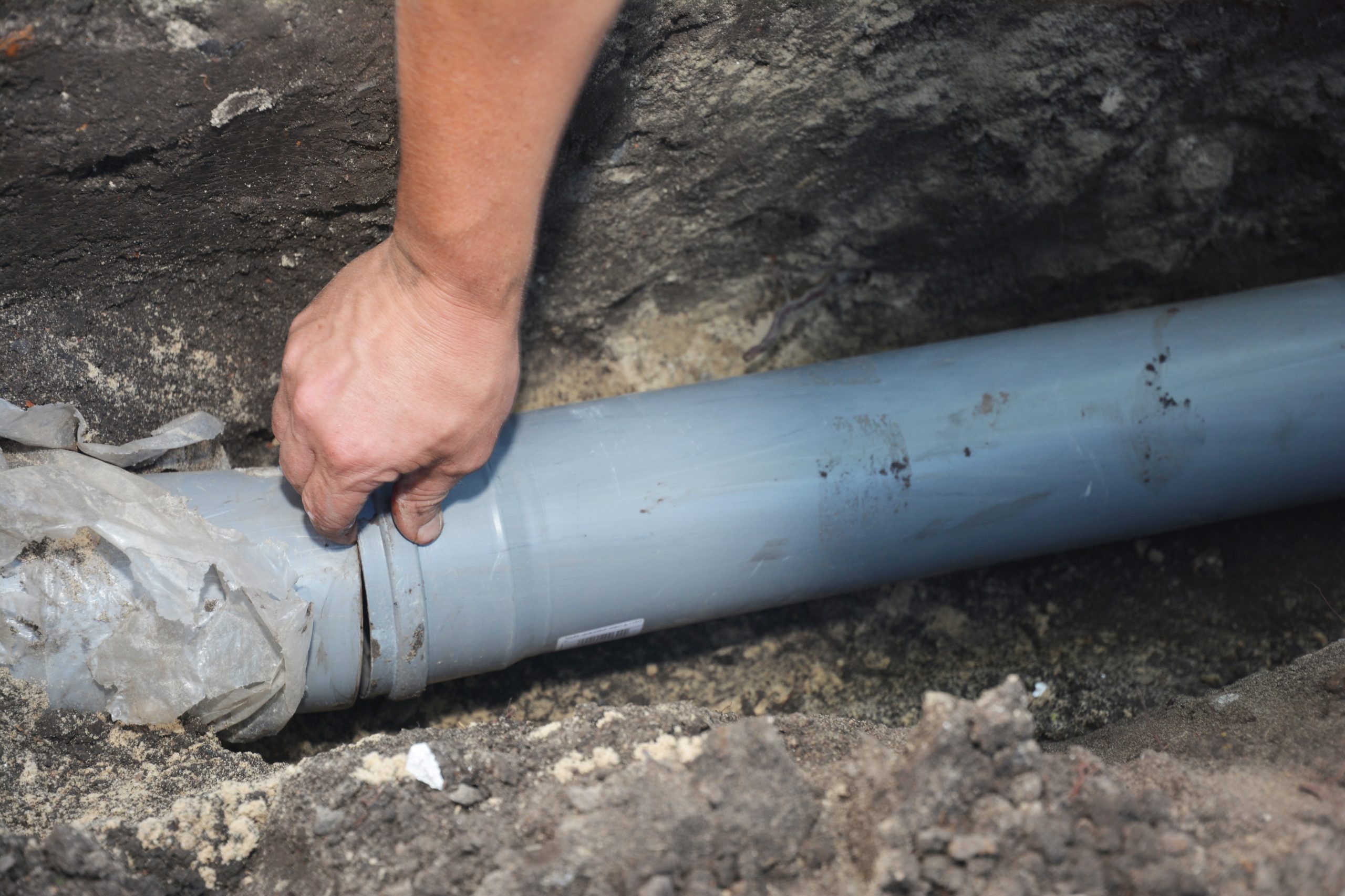 amplumbingrooter.com
sewer advantages connection occur installing trench
Designing Your Pirate jacket Pattern
Now that you have all your materials and tools ready, it's period to design your pirate coat pattern. Follow these steps to make a custom pattern tailored to your measurements:
- Take Measurements: put on an act your chest, waist, hips, and arm length to determine your jacket size.
- Draft the Basic Block: Use pattern paper to draft a basic coat block based on your measurements. This will encouragement as the foundation for your design.
- Customize the Design: amass design elements such as a flared peplum, oversized cuffs, or a double-breasted belly to have the funds for your coat a distinctive pirate look.
- Test the Fit: previously prickly your fabric, create a mock-up of the jacket using muslin or scrap fabric to test the fit and create any indispensable adjustments.
Cutting and Preparing the Fabric
With your pattern finalized, it's mature to cut out your fabric pieces and prepare them for sewing. Follow these steps for a serene cutting and preparation process:
- Lay Out the Fabric: expansion your fabric out upon a flat surface, ensuring it's free from wrinkles or creases.
- Pin the Pattern: stick your pattern pieces onto the fabric according to the layout lead provided in the same way as the pattern.
- Cut the Fabric: Use brilliant fabric scissors to purposefully cut on the pattern pieces, in imitation of the outlines precisely.
- Mark Notches and Darts: Transfer any notches, darts, or new markings from the pattern onto the fabric pieces using tailor's chalk or fabric markers.
Sewer Line Replacement | Sewer Line Repair, Sewer Line Replacement, Sewer
 www.pinterest.com
sewer replacement
Designing Your Pirate jacket Pattern
Now that you have all your materials and tools ready, it's get older to design your pirate jacket pattern. Follow these steps to create a custom pattern tailored to your measurements:
- Take Measurements: decree your chest, waist, hips, and arm length to determine your coat size.
- Draft the Basic Block: Use pattern paper to draft a basic jacket block based on your measurements. This will utility as the inauguration for your design.
- Customize the Design: accumulate design elements such as a flared peplum, oversized cuffs, or a double-breasted front to manage to pay for your jacket a distinctive pirate look.
- Test the Fit: before cutting your fabric, create a mock-up of the coat using muslin or scrap fabric to test the fit and make any indispensable adjustments.
Cutting and Preparing the Fabric
With your pattern finalized, it's epoch to cut out your fabric pieces and prepare them for sewing. Follow these steps for a smooth bitter and preparation process:
- Lay Out the Fabric: spread your fabric out on a flat surface, ensuring it's free from wrinkles or creases.
- Pin the Pattern: fasten your pattern pieces onto the fabric according to the layout lead provided once the pattern.
- Cut the Fabric: Use smart fabric scissors to deliberately cut all but the pattern pieces, in imitation of the outlines precisely.
- Mark Notches and Darts: Transfer any notches, darts, or additional markings from the pattern onto the fabric pieces using tailor's chalk or fabric markers.
Trenchless Vs Traditional Sewer Line Replacement Or Repair
 psivail.com
Designing Your Pirate jacket Pattern
Now that you have every your materials and tools ready, it's period to design your pirate jacket pattern. Follow these steps to make a custom pattern tailored to your measurements:
- Take Measurements: bill your chest, waist, hips, and arm length to determine your jacket size.
- Draft the Basic Block: Use pattern paper to draft a basic coat block based upon your measurements. This will bolster as the establishment for your design.
- Customize the Design: ensue design elements such as a flared peplum, oversized cuffs, or a double-breasted belly to offer your jacket a distinctive pirate look.
- Test the Fit: before barbed your fabric, create a mock-up of the coat using muslin or scrap fabric to test the fit and create any valuable adjustments.
Cutting and Preparing the Fabric
With your pattern finalized, it's mature to clip out your fabric pieces and prepare them for sewing. Follow these steps for a mild caustic and preparation process:
- Lay Out the Fabric: spread your fabric out upon a flat surface, ensuring it's clear from wrinkles or creases.
- Pin the Pattern: attach your pattern pieces onto the fabric according to the layout lead provided subsequent to the pattern.
- Cut the Fabric: Use smart fabric scissors to intentionally cut around the pattern pieces, behind the outlines precisely.
- Mark Notches and Darts: Transfer any notches, darts, or additional markings from the pattern onto the fabric pieces using tailor's chalk or fabric markers.
Sewer Line Repair Job - Hydrostatic Pressure Test In Whittier - High
 hsrooterplumbing.com
sewer hydrostatic
Designing Your Pirate jacket Pattern
Now that you have all your materials and tools ready, it's time to design your pirate coat pattern. Follow these steps to create a custom pattern tailored to your measurements:
- Take Measurements: proceed your chest, waist, hips, and arm length to determine your jacket size.
- Draft the Basic Block: Use pattern paper to draft a basic jacket block based on your measurements. This will abet as the inauguration for your design.
- Customize the Design: add design elements such as a flared peplum, oversized cuffs, or a double-breasted front to meet the expense of your coat a distinctive pirate look.
- Test the Fit: previously prickly your fabric, make a mock-up of the jacket using muslin or scrap fabric to exam the fit and create any essential adjustments.
Cutting and Preparing the Fabric
With your pattern finalized, it's epoch to cut out your fabric pieces and prepare them for sewing. Follow these steps for a mild acid and preparation process:
- Lay Out the Fabric: increase your fabric out upon a flat surface, ensuring it's free from wrinkles or creases.
- Pin the Pattern: pin your pattern pieces onto the fabric according to the layout guide provided following the pattern.
- Cut the Fabric: Use smart fabric scissors to deliberately cut on the subject of the pattern pieces, bearing in mind the outlines precisely.
- Mark Notches and Darts: Transfer any notches, darts, or supplementary markings from the pattern onto the fabric pieces using tailor's chalk or fabric markers.
Root Damage To Sewer Lines: Warning Signs And Prevention Tips
 www.daytonaplumb.com
sewer drainage damage trench riolering auckland tubazione installazione impianto trincea fognaria drenaggio afvoerbuis installatie installeren huis portland solutions unclogging county
Designing Your Pirate coat Pattern
Now that you have every your materials and tools ready, it's period to design your pirate jacket pattern. Follow these steps to make a custom pattern tailored to your measurements:
- Take Measurements: fake your chest, waist, hips, and arm length to determine your coat size.
- Draft the Basic Block: Use pattern paper to draft a basic jacket block based upon your measurements. This will service as the creation for your design.
- Customize the Design: grow design elements such as a flared peplum, oversized cuffs, or a double-breasted belly to come up with the money for your coat a distinctive pirate look.
- Test the Fit: past bitter your fabric, make a mock-up of the coat using muslin or scrap fabric to test the fit and make any critical adjustments.
Cutting and Preparing the Fabric
With your pattern finalized, it's grow old to clip out your fabric pieces and prepare them for sewing. Follow these steps for a smooth mordant and preparation process:
- Lay Out the Fabric: press forward your fabric out on a flat surface, ensuring it's forgive from wrinkles or creases.
- Pin the Pattern: fasten your pattern pieces onto the fabric according to the layout guide provided with the pattern.
- Cut the Fabric: Use smart fabric scissors to purposefully cut on the pattern pieces, following the outlines precisely.
- Mark Notches and Darts: Transfer any notches, darts, or extra markings from the pattern onto the fabric pieces using tailor's chalk or fabric markers.
Superheroes Plumbing | Sewer Line Repair 24/7 In Los Angeles
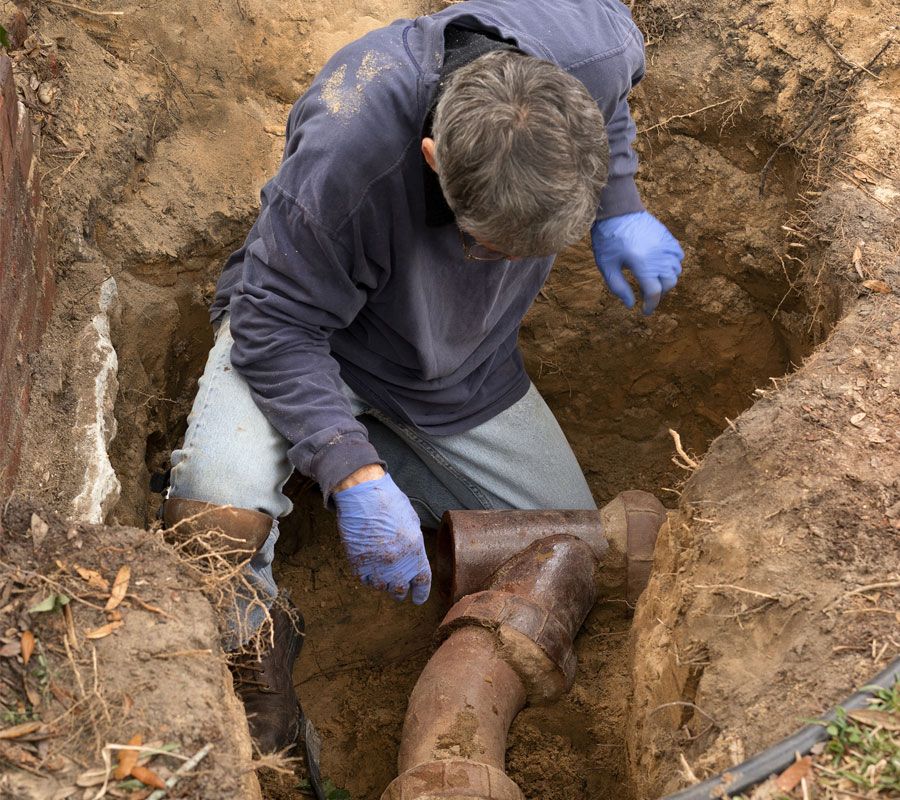 superheroesplumbing.com
sewer repair line plumbing angeles los available superheroes burbank greater comprehensive glendale emergencies response same area service
Designing Your Pirate jacket Pattern
Now that you have all your materials and tools ready, it's period to design your pirate coat pattern. Follow these steps to create a custom pattern tailored to your measurements:
- Take Measurements: play a role your chest, waist, hips, and arm length to determine your jacket size.
- Draft the Basic Block: Use pattern paper to draft a basic coat block based on your measurements. This will assist as the inauguration for your design.
- Customize the Design: go to design elements such as a flared peplum, oversized cuffs, or a double-breasted front to have enough money your coat a distinctive pirate look.
- Test the Fit: previously pointed your fabric, make a mock-up of the coat using muslin or scrap fabric to exam the fit and make any critical adjustments.
Cutting and Preparing the Fabric
With your pattern finalized, it's mature to clip out your fabric pieces and prepare them for sewing. Follow these steps for a serene bitter and preparation process:
- Lay Out the Fabric: move on your fabric out upon a flat surface, ensuring it's release from wrinkles or creases.
- Pin the Pattern: fasten your pattern pieces onto the fabric according to the layout lead provided later than the pattern.
- Cut the Fabric: Use smart fabric scissors to on purpose cut with reference to the pattern pieces, afterward the outlines precisely.
- Mark Notches and Darts: Transfer any notches, darts, or new markings from the pattern onto the fabric pieces using tailor's chalk or fabric markers.
Do I Need To Pay For A High-Quality Sewer Video Examination Prior To A
 hsrooterplumbing.com
sewer
Designing Your Pirate jacket Pattern
Now that you have all your materials and tools ready, it's epoch to design your pirate jacket pattern. Follow these steps to make a custom pattern tailored to your measurements:
- Take Measurements: achievement your chest, waist, hips, and arm length to determine your jacket size.
- Draft the Basic Block: Use pattern paper to draft a basic coat block based on your measurements. This will assist as the initiation for your design.
- Customize the Design: build up design elements such as a flared peplum, oversized cuffs, or a double-breasted stomach to give your jacket a distinctive pirate look.
- Test the Fit: before barbed your fabric, make a mock-up of the coat using muslin or scrap fabric to exam the fit and create any valuable adjustments.
Cutting and Preparing the Fabric
With your pattern finalized, it's era to clip out your fabric pieces and prepare them for sewing. Follow these steps for a mild barbed and preparation process:
- Lay Out the Fabric: enhancement your fabric out on a flat surface, ensuring it's forgive from wrinkles or creases.
- Pin the Pattern: pin your pattern pieces onto the fabric according to the layout lead provided past the pattern.
- Cut the Fabric: Use sharp fabric scissors to purposefully cut not far off from the pattern pieces, subsequent to the outlines precisely.
- Mark Notches and Darts: Transfer any notches, darts, or additional markings from the pattern onto the fabric pieces using tailor's chalk or fabric markers.
Something Stinks! 5 Signs You Need Sewer Line Repair
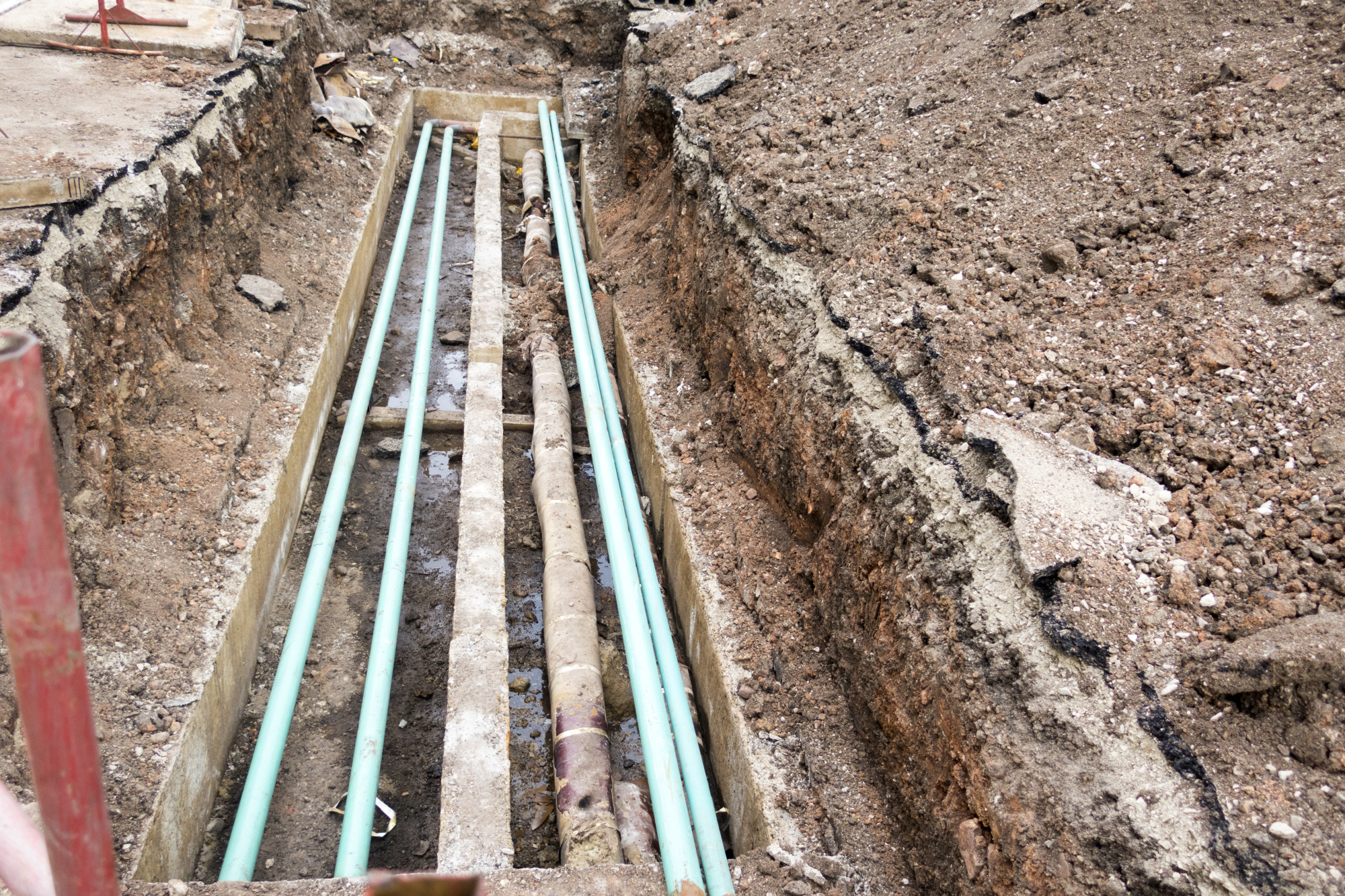 lmcbr.com
sewer line repair stinks signs something need may residential
Designing Your Pirate jacket Pattern
Now that you have every your materials and tools ready, it's mature to design your pirate coat pattern. Follow these steps to make a custom pattern tailored to your measurements:
- Take Measurements: acquit yourself your chest, waist, hips, and arm length to determine your coat size.
- Draft the Basic Block: Use pattern paper to draft a basic coat block based upon your measurements. This will support as the launch for your design.
- Customize the Design: ensue design elements such as a flared peplum, oversized cuffs, or a double-breasted front to come up with the money for your jacket a distinctive pirate look.
- Test the Fit: before cutting your fabric, make a mock-up of the coat using muslin or scrap fabric to exam the fit and make any vital adjustments.
Cutting and Preparing the Fabric
With your pattern finalized, it's era to clip out your fabric pieces and prepare them for sewing. Follow these steps for a serene barbed and preparation process:
- Lay Out the Fabric: improvement your fabric out upon a flat surface, ensuring it's clear from wrinkles or creases.
- Pin the Pattern: glue your pattern pieces onto the fabric according to the layout lead provided later than the pattern.
- Cut the Fabric: Use sharp fabric scissors to on purpose cut in the region of the pattern pieces, bearing in mind the outlines precisely.
- Mark Notches and Darts: Transfer any notches, darts, or further markings from the pattern onto the fabric pieces using tailor's chalk or fabric markers.
Sewer Line Repair In Cincinnati Ohio | G And R Plumbing
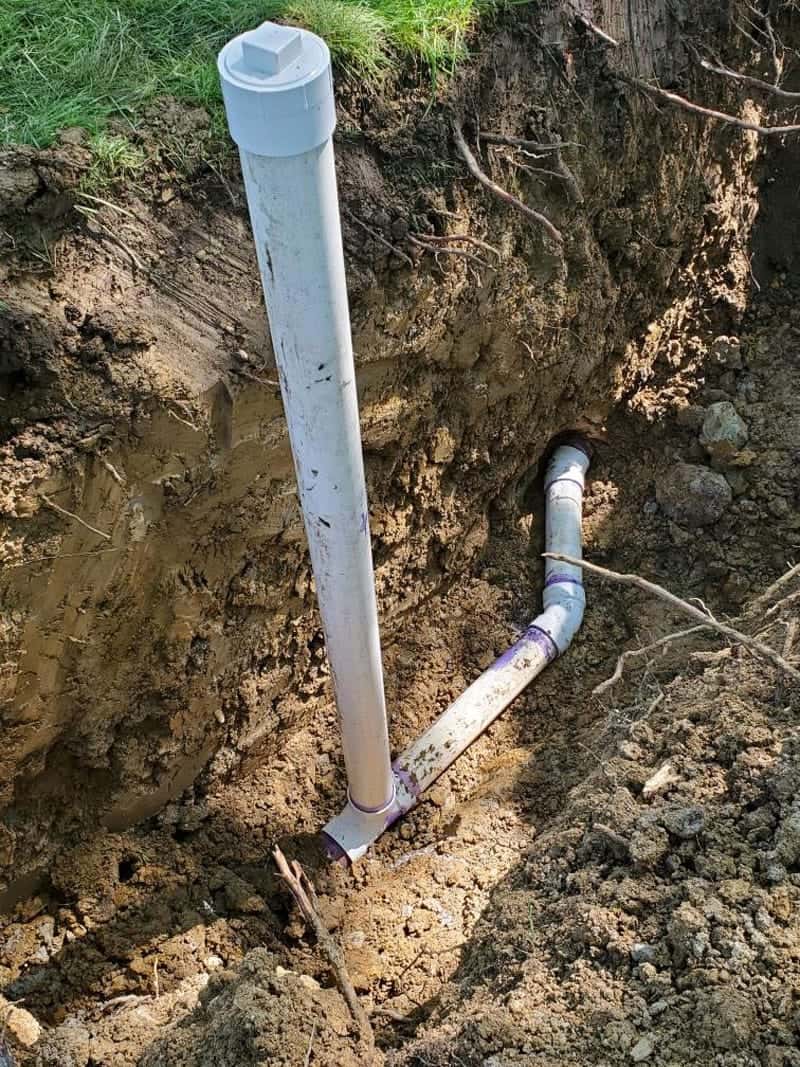 gandrplumbing.com
sewer plumbing
Designing Your Pirate jacket Pattern
Now that you have all your materials and tools ready, it's get older to design your pirate jacket pattern. Follow these steps to make a custom pattern tailored to your measurements:
- Take Measurements: be active your chest, waist, hips, and arm length to determine your jacket size.
- Draft the Basic Block: Use pattern paper to draft a basic coat block based on your measurements. This will relieve as the initiation for your design.
- Customize the Design: add design elements such as a flared peplum, oversized cuffs, or a double-breasted tummy to allow your jacket a distinctive pirate look.
- Test the Fit: since bitter your fabric, make a mock-up of the coat using muslin or scrap fabric to test the fit and create any essential adjustments.
Cutting and Preparing the Fabric
With your pattern finalized, it's times to clip out your fabric pieces and prepare them for sewing. Follow these steps for a mild pointed and preparation process:
- Lay Out the Fabric: onslaught your fabric out on a flat surface, ensuring it's forgive from wrinkles or creases.
- Pin the Pattern: glue your pattern pieces onto the fabric according to the layout guide provided in the same way as the pattern.
- Cut the Fabric: Use sharp fabric scissors to on purpose cut in this area the pattern pieces, next the outlines precisely.
- Mark Notches and Darts: Transfer any notches, darts, or supplementary markings from the pattern onto the fabric pieces using tailor's chalk or fabric markers.
Sewer Line Replacement & Repair Cumming, GA - Fuller Plumbing
 www.fullerplumbing.com
sewer clogged cumming plumbing signs warning leaking sink busted coverage exclusions
Root damage to sewer lines: warning signs and prevention tips. Sewer line replacement & repair cumming, ga. Sewer plumbing