sewer plumbing fittings
If you are searching about Drain Pipe Fittings you've came to the right place. We have 10 Pictures about Drain Pipe Fittings like Pvc Plumbing Pipes Fittings For Sewer And Drain - Buy Pvc Plumbing, 2" Inch Flexible Boot Rubber Pipe Fitting's - TankBred and also Drain Pipe Fittings. Here you go:
Designing Your Pirate coat Pattern
Now that you have every your materials and tools ready, it's time to design your pirate coat pattern. Follow these steps to make a custom pattern tailored to your measurements:
- Take Measurements: deed your chest, waist, hips, and arm length to determine your coat size.
- Draft the Basic Block: Use pattern paper to draft a basic jacket block based on your measurements. This will help as the creation for your design.
- Customize the Design: mount up design elements such as a flared peplum, oversized cuffs, or a double-breasted belly to come up with the money for your jacket a distinctive pirate look.
- Test the Fit: before barbed your fabric, create a mock-up of the jacket using muslin or scrap fabric to exam the fit and create any indispensable adjustments.
Cutting and Preparing the Fabric
With your pattern finalized, it's era to cut out your fabric pieces and prepare them for sewing. Follow these steps for a smooth cutting and preparation process:
- Lay Out the Fabric: improve your fabric out on a flat surface, ensuring it's forgive from wrinkles or creases.
- Pin the Pattern: fasten your pattern pieces onto the fabric according to the layout guide provided afterward the pattern.
- Cut the Fabric: Use bright fabric scissors to carefully cut in this area the pattern pieces, in the manner of the outlines precisely.
- Mark Notches and Darts: Transfer any notches, darts, or other markings from the pattern onto the fabric pieces using tailor's chalk or fabric markers.
Drain Pipe Fittings
 diyinahour.com
fittings plumbing pipes pipe pvc water building types wisegeek sewer materials plastic tee different drain connectors type used flexible hiring
Designing Your Pirate coat Pattern
Now that you have all your materials and tools ready, it's mature to design your pirate coat pattern. Follow these steps to make a custom pattern tailored to your measurements:
- Take Measurements: play your chest, waist, hips, and arm length to determine your coat size.
- Draft the Basic Block: Use pattern paper to draft a basic jacket block based on your measurements. This will minister to as the opening for your design.
- Customize the Design: build up design elements such as a flared peplum, oversized cuffs, or a double-breasted front to meet the expense of your jacket a distinctive pirate look.
- Test the Fit: before cutting your fabric, create a mock-up of the coat using muslin or scrap fabric to exam the fit and make any necessary adjustments.
Cutting and Preparing the Fabric
With your pattern finalized, it's epoch to cut out your fabric pieces and prepare them for sewing. Follow these steps for a mild barbed and preparation process:
- Lay Out the Fabric: move ahead your fabric out on a flat surface, ensuring it's release from wrinkles or creases.
- Pin the Pattern: pin your pattern pieces onto the fabric according to the layout lead provided later the pattern.
- Cut the Fabric: Use brilliant fabric scissors to purposefully clip approximately the pattern pieces, following the outlines precisely.
- Mark Notches and Darts: Transfer any notches, darts, or additional markings from the pattern onto the fabric pieces using tailor's chalk or fabric markers.
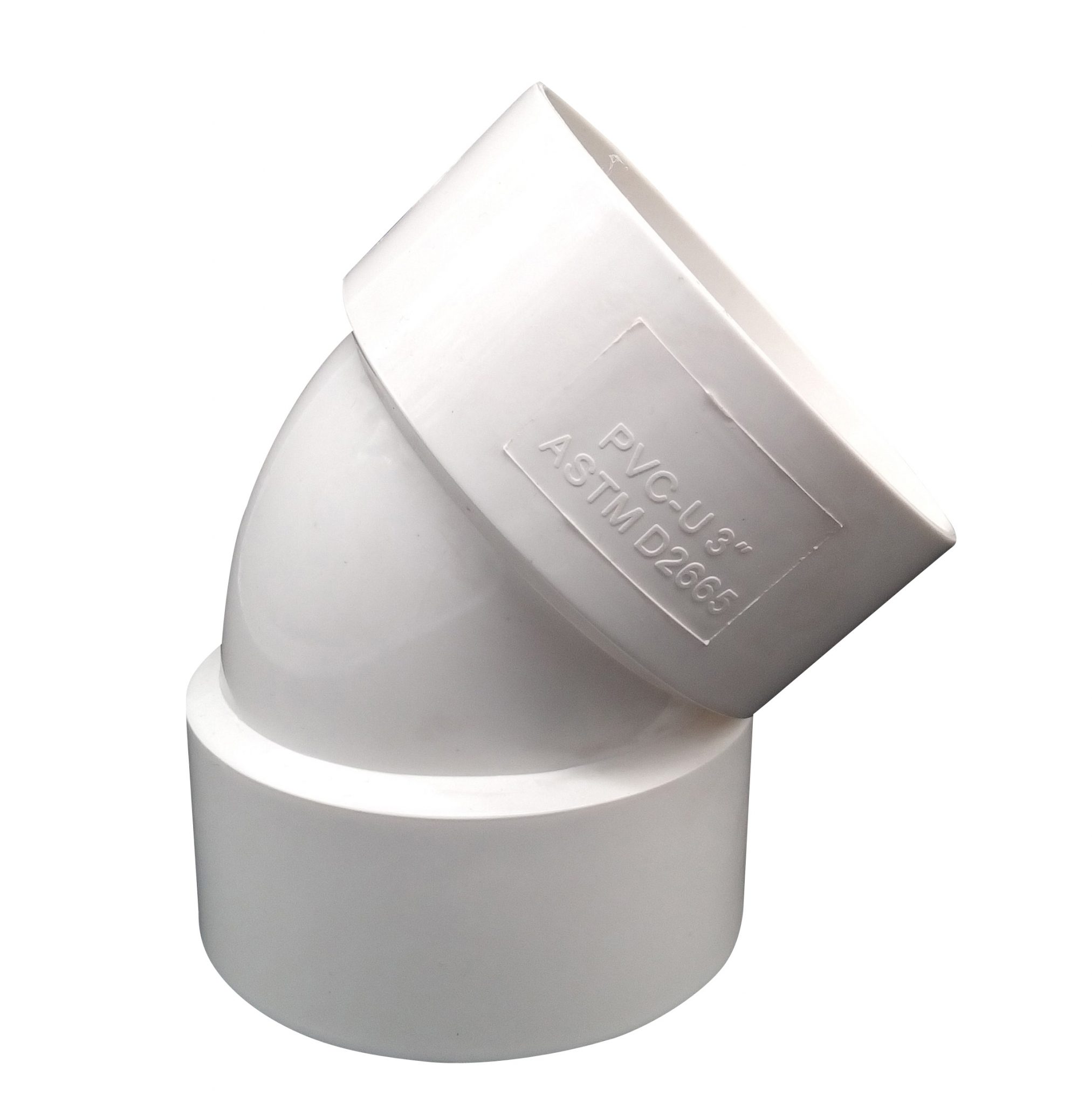
PVC DWV ASTM D2665 Fittings
 www.pprpipefittings.com
pvc fittings dwv astm pipe drainage plastic 2665 fire resistance corrosion
Designing Your Pirate jacket Pattern
Now that you have every your materials and tools ready, it's get older to design your pirate jacket pattern. Follow these steps to create a custom pattern tailored to your measurements:
- Take Measurements: bill your chest, waist, hips, and arm length to determine your jacket size.
- Draft the Basic Block: Use pattern paper to draft a basic jacket block based upon your measurements. This will minister to as the opening for your design.
- Customize the Design: increase design elements such as a flared peplum, oversized cuffs, or a double-breasted front to meet the expense of your coat a distinctive pirate look.
- Test the Fit: past caustic your fabric, create a mock-up of the coat using muslin or scrap fabric to test the fit and make any indispensable adjustments.
Cutting and Preparing the Fabric
With your pattern finalized, it's get older to cut out your fabric pieces and prepare them for sewing. Follow these steps for a serene sharp and preparation process:
- Lay Out the Fabric: build up your fabric out upon a flat surface, ensuring it's free from wrinkles or creases.
- Pin the Pattern: pin your pattern pieces onto the fabric according to the layout guide provided taking into account the pattern.
- Cut the Fabric: Use sharp fabric scissors to carefully cut in the region of the pattern pieces, taking into account the outlines precisely.
- Mark Notches and Darts: Transfer any notches, darts, or extra markings from the pattern onto the fabric pieces using tailor's chalk or fabric markers.
RV Plumbing Fittings | Water Pressure Regulators, Sewer Hose Kits
 www.camperid.com
plumbing fittings rv camperid
Designing Your Pirate jacket Pattern
Now that you have all your materials and tools ready, it's become old to design your pirate coat pattern. Follow these steps to create a custom pattern tailored to your measurements:
- Take Measurements: achievement your chest, waist, hips, and arm length to determine your coat size.
- Draft the Basic Block: Use pattern paper to draft a basic coat block based on your measurements. This will assist as the initiation for your design.
- Customize the Design: mount up design elements such as a flared peplum, oversized cuffs, or a double-breasted front to have enough money your coat a distinctive pirate look.
- Test the Fit: before sharp your fabric, make a mock-up of the coat using muslin or scrap fabric to exam the fit and make any critical adjustments.
Cutting and Preparing the Fabric
With your pattern finalized, it's become old to clip out your fabric pieces and prepare them for sewing. Follow these steps for a serene biting and preparation process:
- Lay Out the Fabric: develop your fabric out on a flat surface, ensuring it's release from wrinkles or creases.
- Pin the Pattern: pin your pattern pieces onto the fabric according to the layout lead provided similar to the pattern.
- Cut the Fabric: Use brilliant fabric scissors to purposefully clip nearly the pattern pieces, later than the outlines precisely.
- Mark Notches and Darts: Transfer any notches, darts, or supplementary markings from the pattern onto the fabric pieces using tailor's chalk or fabric markers.
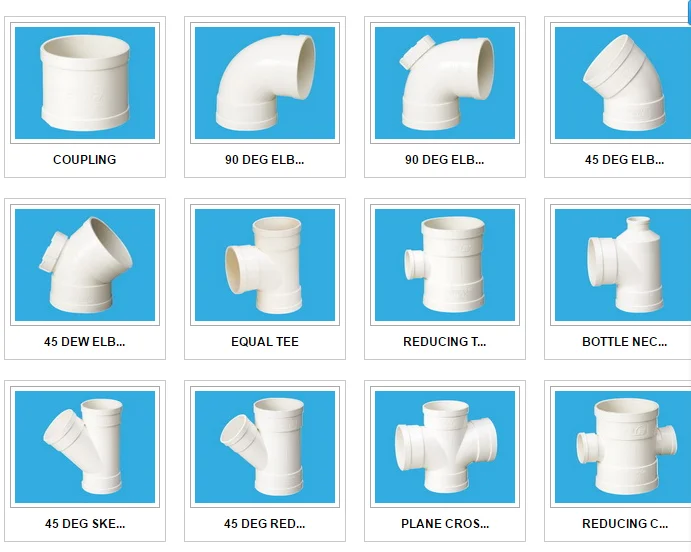
Pvc Plumbing Pipes Fittings For Sewer And Drain - Buy Pvc Plumbing
 www.alibaba.com
pvc fittings plumbing sewer pipes drain description pipe
Designing Your Pirate jacket Pattern
Now that you have every your materials and tools ready, it's time to design your pirate jacket pattern. Follow these steps to create a custom pattern tailored to your measurements:
- Take Measurements: play your chest, waist, hips, and arm length to determine your jacket size.
- Draft the Basic Block: Use pattern paper to draft a basic jacket block based upon your measurements. This will service as the opening for your design.
- Customize the Design: increase design elements such as a flared peplum, oversized cuffs, or a double-breasted belly to have the funds for your jacket a distinctive pirate look.
- Test the Fit: in the past mordant your fabric, make a mock-up of the coat using muslin or scrap fabric to exam the fit and make any necessary adjustments.
Cutting and Preparing the Fabric
With your pattern finalized, it's time to cut out your fabric pieces and prepare them for sewing. Follow these steps for a mild pointed and preparation process:
- Lay Out the Fabric: encroachment your fabric out on a flat surface, ensuring it's release from wrinkles or creases.
- Pin the Pattern: fix your pattern pieces onto the fabric according to the layout lead provided once the pattern.
- Cut the Fabric: Use sharp fabric scissors to intentionally cut with reference to the pattern pieces, taking into consideration the outlines precisely.
- Mark Notches and Darts: Transfer any notches, darts, or other markings from the pattern onto the fabric pieces using tailor's chalk or fabric markers.
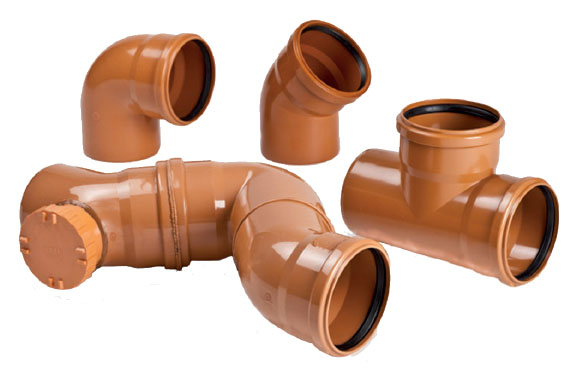
Sewer Pipe Fittings
 www.svrplastics.co.uk
fittings pipe sewer sewerage specific manufacturer standard well items available
Designing Your Pirate coat Pattern
Now that you have all your materials and tools ready, it's mature to design your pirate jacket pattern. Follow these steps to create a custom pattern tailored to your measurements:
- Take Measurements: sham your chest, waist, hips, and arm length to determine your jacket size.
- Draft the Basic Block: Use pattern paper to draft a basic jacket block based on your measurements. This will abet as the opening for your design.
- Customize the Design: grow design elements such as a flared peplum, oversized cuffs, or a double-breasted tummy to present your jacket a distinctive pirate look.
- Test the Fit: previously prickly your fabric, make a mock-up of the jacket using muslin or scrap fabric to test the fit and make any critical adjustments.
Cutting and Preparing the Fabric
With your pattern finalized, it's epoch to cut out your fabric pieces and prepare them for sewing. Follow these steps for a mild pointed and preparation process:
- Lay Out the Fabric: go forward your fabric out upon a flat surface, ensuring it's clear from wrinkles or creases.
- Pin the Pattern: glue your pattern pieces onto the fabric according to the layout guide provided subsequently the pattern.
- Cut the Fabric: Use smart fabric scissors to deliberately cut vis--vis the pattern pieces, behind the outlines precisely.
- Mark Notches and Darts: Transfer any notches, darts, or further markings from the pattern onto the fabric pieces using tailor's chalk or fabric markers.
Plumbing & Drainage | MGN Builders Merchants
 www.mgnbm.co.uk
plumbing fittings drainage pipe
Designing Your Pirate coat Pattern
Now that you have every your materials and tools ready, it's period to design your pirate coat pattern. Follow these steps to create a custom pattern tailored to your measurements:
- Take Measurements: ham it up your chest, waist, hips, and arm length to determine your coat size.
- Draft the Basic Block: Use pattern paper to draft a basic coat block based upon your measurements. This will relieve as the inauguration for your design.
- Customize the Design: increase design elements such as a flared peplum, oversized cuffs, or a double-breasted front to find the money for your jacket a distinctive pirate look.
- Test the Fit: back critical your fabric, make a mock-up of the jacket using muslin or scrap fabric to exam the fit and create any valuable adjustments.
Cutting and Preparing the Fabric
With your pattern finalized, it's times to cut out your fabric pieces and prepare them for sewing. Follow these steps for a serene sour and preparation process:
- Lay Out the Fabric: progress your fabric out upon a flat surface, ensuring it's pardon from wrinkles or creases.
- Pin the Pattern: fix your pattern pieces onto the fabric according to the layout guide provided following the pattern.
- Cut the Fabric: Use bright fabric scissors to on purpose clip on the pattern pieces, like the outlines precisely.
- Mark Notches and Darts: Transfer any notches, darts, or additional markings from the pattern onto the fabric pieces using tailor's chalk or fabric markers.
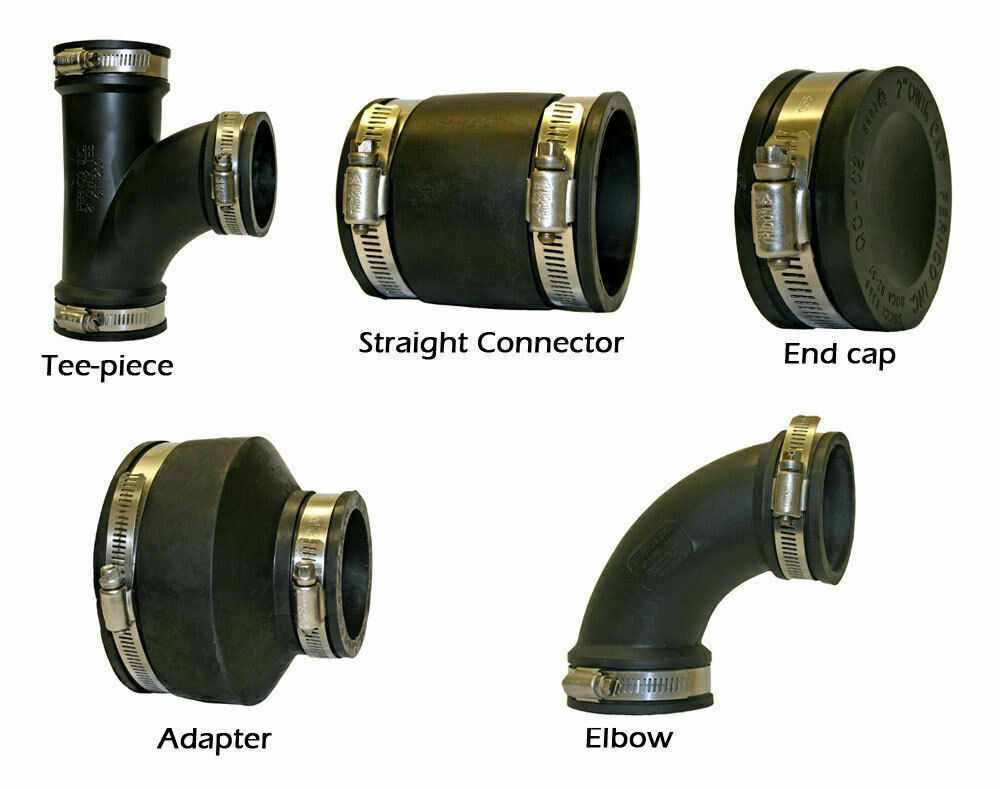
2" Inch Flexible Boot Rubber Pipe Fitting's - TankBred
 tankbred.com
l1600
Designing Your Pirate jacket Pattern
Now that you have every your materials and tools ready, it's grow old to design your pirate jacket pattern. Follow these steps to create a custom pattern tailored to your measurements:
- Take Measurements: play your chest, waist, hips, and arm length to determine your jacket size.
- Draft the Basic Block: Use pattern paper to draft a basic coat block based on your measurements. This will utility as the launch for your design.
- Customize the Design: grow design elements such as a flared peplum, oversized cuffs, or a double-breasted stomach to offer your coat a distinctive pirate look.
- Test the Fit: back critical your fabric, make a mock-up of the coat using muslin or scrap fabric to exam the fit and create any essential adjustments.
Cutting and Preparing the Fabric
With your pattern finalized, it's get older to cut out your fabric pieces and prepare them for sewing. Follow these steps for a serene barbed and preparation process:
- Lay Out the Fabric: evolve your fabric out upon a flat surface, ensuring it's free from wrinkles or creases.
- Pin the Pattern: fix your pattern pieces onto the fabric according to the layout lead provided like the pattern.
- Cut the Fabric: Use smart fabric scissors to on purpose cut in relation to the pattern pieces, behind the outlines precisely.
- Mark Notches and Darts: Transfer any notches, darts, or additional markings from the pattern onto the fabric pieces using tailor's chalk or fabric markers.
A Complete Guide To Using Plumbing Fittings For Joining PVC, PEX And
 eugbug.hubpages.com
pipe plumbing fittings pvc pex
Designing Your Pirate coat Pattern
Now that you have all your materials and tools ready, it's times to design your pirate jacket pattern. Follow these steps to make a custom pattern tailored to your measurements:
- Take Measurements: take effect your chest, waist, hips, and arm length to determine your coat size.
- Draft the Basic Block: Use pattern paper to draft a basic jacket block based on your measurements. This will facilitate as the opening for your design.
- Customize the Design: add design elements such as a flared peplum, oversized cuffs, or a double-breasted front to find the money for your coat a distinctive pirate look.
- Test the Fit: past mordant your fabric, make a mock-up of the coat using muslin or scrap fabric to test the fit and create any indispensable adjustments.
Cutting and Preparing the Fabric
With your pattern finalized, it's mature to cut out your fabric pieces and prepare them for sewing. Follow these steps for a smooth bitter and preparation process:
- Lay Out the Fabric: spread your fabric out on a flat surface, ensuring it's pardon from wrinkles or creases.
- Pin the Pattern: fasten your pattern pieces onto the fabric according to the layout lead provided gone the pattern.
- Cut the Fabric: Use brilliant fabric scissors to intentionally clip just about the pattern pieces, bearing in mind the outlines precisely.
- Mark Notches and Darts: Transfer any notches, darts, or other markings from the pattern onto the fabric pieces using tailor's chalk or fabric markers.
Pin On Decor
 www.pinterest.ca
plumbing pipe pvc fittings fitting piping pipes sanitary sizes drawing names chart pdf water inch bathroom philippines system dimensions type
Designing Your Pirate jacket Pattern
Now that you have every your materials and tools ready, it's period to design your pirate jacket pattern. Follow these steps to create a custom pattern tailored to your measurements:
- Take Measurements: appear in your chest, waist, hips, and arm length to determine your coat size.
- Draft the Basic Block: Use pattern paper to draft a basic coat block based on your measurements. This will relief as the introduction for your design.
- Customize the Design: grow design elements such as a flared peplum, oversized cuffs, or a double-breasted stomach to have enough money your coat a distinctive pirate look.
- Test the Fit: before critical your fabric, make a mock-up of the jacket using muslin or scrap fabric to exam the fit and create any necessary adjustments.
Cutting and Preparing the Fabric
With your pattern finalized, it's era to clip out your fabric pieces and prepare them for sewing. Follow these steps for a smooth acid and preparation process:
- Lay Out the Fabric: innovation your fabric out upon a flat surface, ensuring it's release from wrinkles or creases.
- Pin the Pattern: glue your pattern pieces onto the fabric according to the layout lead provided next the pattern.
- Cut the Fabric: Use bright fabric scissors to intentionally clip all but the pattern pieces, following the outlines precisely.
- Mark Notches and Darts: Transfer any notches, darts, or additional markings from the pattern onto the fabric pieces using tailor's chalk or fabric markers.
Pin On Food Challenge Tips
 www.pinterest.com
pvc fittings pipe water waste sewer plumbing supply names bathroom tips standard choose board flow tools
Plumbing & drainage. Plumbing pipe pvc fittings fitting piping pipes sanitary sizes drawing names chart pdf water inch bathroom philippines system dimensions type. Sewer pipe fittings