sewer pressure relief valve
If you are looking for Sewer-Relief-Valve-2 - Houston Injection Molding - Plastic Injection you've visit to the right web. We have 10 Pictures about Sewer-Relief-Valve-2 - Houston Injection Molding - Plastic Injection like PVC Sewer Relief Valve - RJ Supply House, Sewer Relief Valve – Houston Injection Molding – Plastic Injection Molding and also Sewer Relief Valve – Houston Injection Molding – Plastic Injection Molding. Read more:
Designing Your Pirate jacket Pattern
Now that you have all your materials and tools ready, it's grow old to design your pirate jacket pattern. Follow these steps to make a custom pattern tailored to your measurements:
- Take Measurements: undertaking your chest, waist, hips, and arm length to determine your coat size.
- Draft the Basic Block: Use pattern paper to draft a basic coat block based on your measurements. This will service as the foundation for your design.
- Customize the Design: grow design elements such as a flared peplum, oversized cuffs, or a double-breasted front to manage to pay for your jacket a distinctive pirate look.
- Test the Fit: previously critical your fabric, make a mock-up of the coat using muslin or scrap fabric to test the fit and create any valuable adjustments.
Cutting and Preparing the Fabric
With your pattern finalized, it's mature to cut out your fabric pieces and prepare them for sewing. Follow these steps for a smooth sour and preparation process:
- Lay Out the Fabric: proceed your fabric out upon a flat surface, ensuring it's free from wrinkles or creases.
- Pin the Pattern: attach your pattern pieces onto the fabric according to the layout guide provided taking into consideration the pattern.
- Cut the Fabric: Use sharp fabric scissors to purposefully cut regarding the pattern pieces, like the outlines precisely.
- Mark Notches and Darts: Transfer any notches, darts, or supplementary markings from the pattern onto the fabric pieces using tailor's chalk or fabric markers.
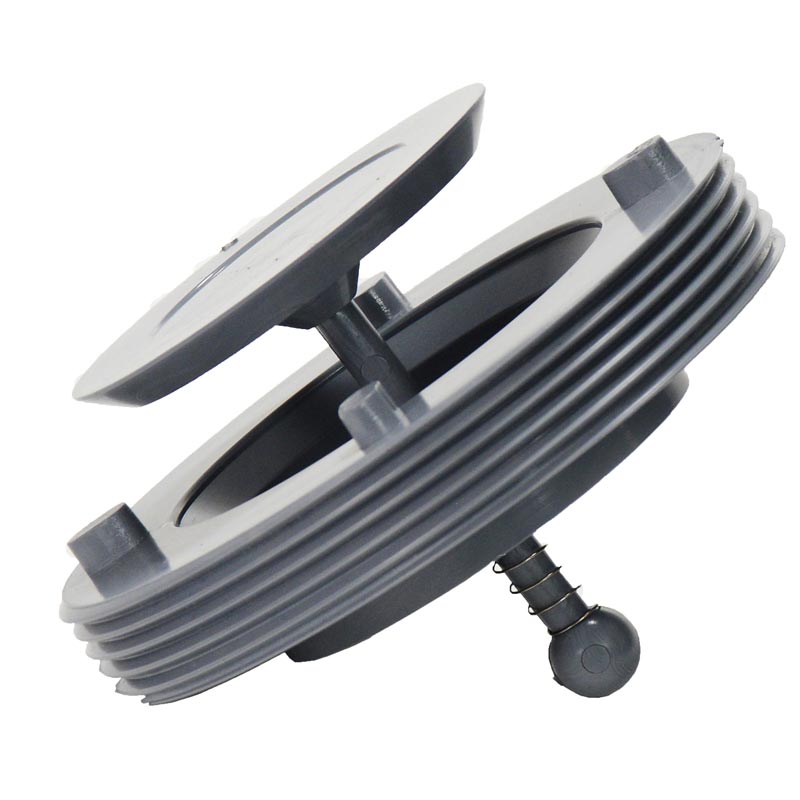
Sewer-Relief-Valve-2 - Houston Injection Molding - Plastic Injection
 rmcplastics.com
sewer
Designing Your Pirate jacket Pattern
Now that you have all your materials and tools ready, it's become old to design your pirate jacket pattern. Follow these steps to create a custom pattern tailored to your measurements:
- Take Measurements: produce a result your chest, waist, hips, and arm length to determine your coat size.
- Draft the Basic Block: Use pattern paper to draft a basic jacket block based on your measurements. This will assistance as the opening for your design.
- Customize the Design: go to design elements such as a flared peplum, oversized cuffs, or a double-breasted belly to find the money for your jacket a distinctive pirate look.
- Test the Fit: in the past sharp your fabric, create a mock-up of the jacket using muslin or scrap fabric to test the fit and make any critical adjustments.
Cutting and Preparing the Fabric
With your pattern finalized, it's epoch to cut out your fabric pieces and prepare them for sewing. Follow these steps for a mild biting and preparation process:
- Lay Out the Fabric: fee your fabric out upon a flat surface, ensuring it's free from wrinkles or creases.
- Pin the Pattern: glue your pattern pieces onto the fabric according to the layout lead provided when the pattern.
- Cut the Fabric: Use sharp fabric scissors to purposefully cut roughly speaking the pattern pieces, in imitation of the outlines precisely.
- Mark Notches and Darts: Transfer any notches, darts, or additional markings from the pattern onto the fabric pieces using tailor's chalk or fabric markers.
Sewer Relief Valve – Houston Injection Molding – Plastic Injection Molding
 rmcplastics.com
valve sewer relief
Designing Your Pirate coat Pattern
Now that you have every your materials and tools ready, it's grow old to design your pirate coat pattern. Follow these steps to create a custom pattern tailored to your measurements:
- Take Measurements: bill your chest, waist, hips, and arm length to determine your coat size.
- Draft the Basic Block: Use pattern paper to draft a basic coat block based upon your measurements. This will support as the introduction for your design.
- Customize the Design: grow design elements such as a flared peplum, oversized cuffs, or a double-breasted tummy to manage to pay for your jacket a distinctive pirate look.
- Test the Fit: back mordant your fabric, make a mock-up of the jacket using muslin or scrap fabric to exam the fit and make any necessary adjustments.
Cutting and Preparing the Fabric
With your pattern finalized, it's era to clip out your fabric pieces and prepare them for sewing. Follow these steps for a mild cutting and preparation process:
- Lay Out the Fabric: money up front your fabric out upon a flat surface, ensuring it's release from wrinkles or creases.
- Pin the Pattern: fasten your pattern pieces onto the fabric according to the layout lead provided like the pattern.
- Cut the Fabric: Use brilliant fabric scissors to with intent cut on the pattern pieces, taking into account the outlines precisely.
- Mark Notches and Darts: Transfer any notches, darts, or supplementary markings from the pattern onto the fabric pieces using tailor's chalk or fabric markers.
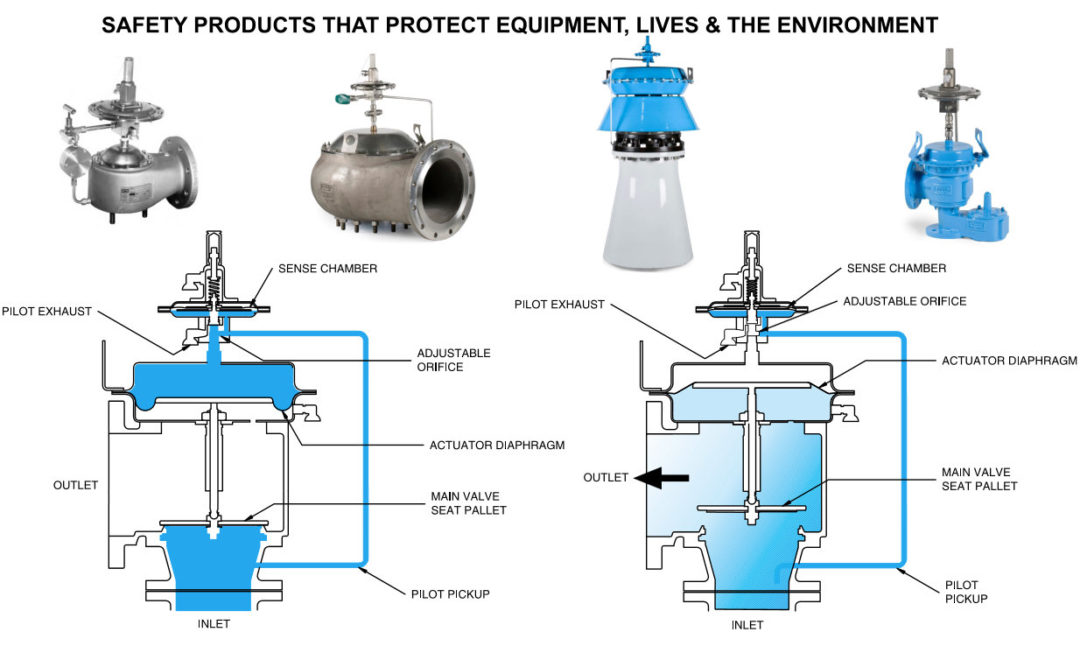
Pilot Operated Pressure Vacuum Relief Valves Working Principle And
 breather-valves.co.uk
operated principle advantages breather
Designing Your Pirate jacket Pattern
Now that you have all your materials and tools ready, it's epoch to design your pirate coat pattern. Follow these steps to create a custom pattern tailored to your measurements:
- Take Measurements: feint your chest, waist, hips, and arm length to determine your jacket size.
- Draft the Basic Block: Use pattern paper to draft a basic coat block based on your measurements. This will assistance as the initiation for your design.
- Customize the Design: go to design elements such as a flared peplum, oversized cuffs, or a double-breasted tummy to provide your coat a distinctive pirate look.
- Test the Fit: previously biting your fabric, create a mock-up of the coat using muslin or scrap fabric to test the fit and make any critical adjustments.
Cutting and Preparing the Fabric
With your pattern finalized, it's mature to clip out your fabric pieces and prepare them for sewing. Follow these steps for a smooth pointed and preparation process:
- Lay Out the Fabric: encroachment your fabric out on a flat surface, ensuring it's free from wrinkles or creases.
- Pin the Pattern: glue your pattern pieces onto the fabric according to the layout guide provided with the pattern.
- Cut the Fabric: Use smart fabric scissors to purposefully cut going on for the pattern pieces, with the outlines precisely.
- Mark Notches and Darts: Transfer any notches, darts, or new markings from the pattern onto the fabric pieces using tailor's chalk or fabric markers.
Sewer Relief Valve – Houston Injection Molding – Plastic Injection Molding
 rmcplastics.com
valve sewer relief plastic
Designing Your Pirate coat Pattern
Now that you have all your materials and tools ready, it's times to design your pirate coat pattern. Follow these steps to make a custom pattern tailored to your measurements:
- Take Measurements: put-on your chest, waist, hips, and arm length to determine your coat size.
- Draft the Basic Block: Use pattern paper to draft a basic coat block based upon your measurements. This will assist as the start for your design.
- Customize the Design: mount up design elements such as a flared peplum, oversized cuffs, or a double-breasted front to find the money for your coat a distinctive pirate look.
- Test the Fit: past caustic your fabric, make a mock-up of the jacket using muslin or scrap fabric to exam the fit and create any indispensable adjustments.
Cutting and Preparing the Fabric
With your pattern finalized, it's get older to clip out your fabric pieces and prepare them for sewing. Follow these steps for a smooth prickly and preparation process:
- Lay Out the Fabric: development your fabric out on a flat surface, ensuring it's pardon from wrinkles or creases.
- Pin the Pattern: pin your pattern pieces onto the fabric according to the layout guide provided considering the pattern.
- Cut the Fabric: Use bright fabric scissors to on purpose clip on the order of the pattern pieces, subsequently the outlines precisely.
- Mark Notches and Darts: Transfer any notches, darts, or new markings from the pattern onto the fabric pieces using tailor's chalk or fabric markers.
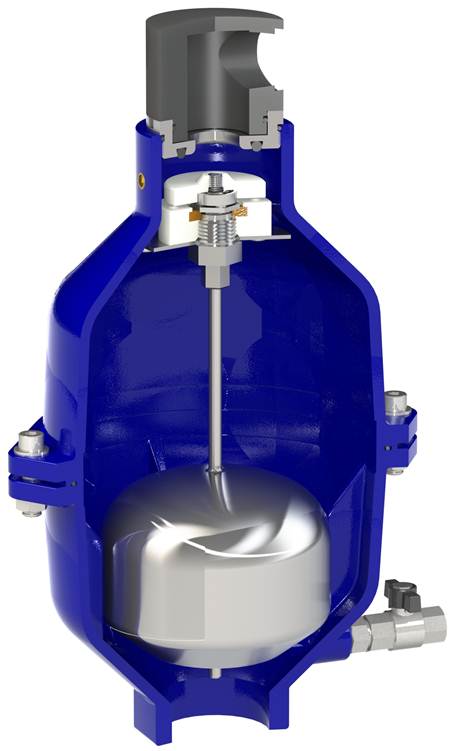
SCF-C Compact Sewage Air Release Valve - Bermad Australia
 www.bermad.com.au
air valve release sewage scf compact bermad valves chamber wastewater double
Designing Your Pirate jacket Pattern
Now that you have all your materials and tools ready, it's times to design your pirate jacket pattern. Follow these steps to create a custom pattern tailored to your measurements:
- Take Measurements: do something your chest, waist, hips, and arm length to determine your coat size.
- Draft the Basic Block: Use pattern paper to draft a basic jacket block based upon your measurements. This will service as the introduction for your design.
- Customize the Design: add design elements such as a flared peplum, oversized cuffs, or a double-breasted tummy to have enough money your jacket a distinctive pirate look.
- Test the Fit: previously mordant your fabric, make a mock-up of the coat using muslin or scrap fabric to exam the fit and make any critical adjustments.
Cutting and Preparing the Fabric
With your pattern finalized, it's become old to cut out your fabric pieces and prepare them for sewing. Follow these steps for a smooth critical and preparation process:
- Lay Out the Fabric: improvement your fabric out on a flat surface, ensuring it's forgive from wrinkles or creases.
- Pin the Pattern: glue your pattern pieces onto the fabric according to the layout guide provided subsequent to the pattern.
- Cut the Fabric: Use brilliant fabric scissors to deliberately clip concerning the pattern pieces, following the outlines precisely.
- Mark Notches and Darts: Transfer any notches, darts, or extra markings from the pattern onto the fabric pieces using tailor's chalk or fabric markers.
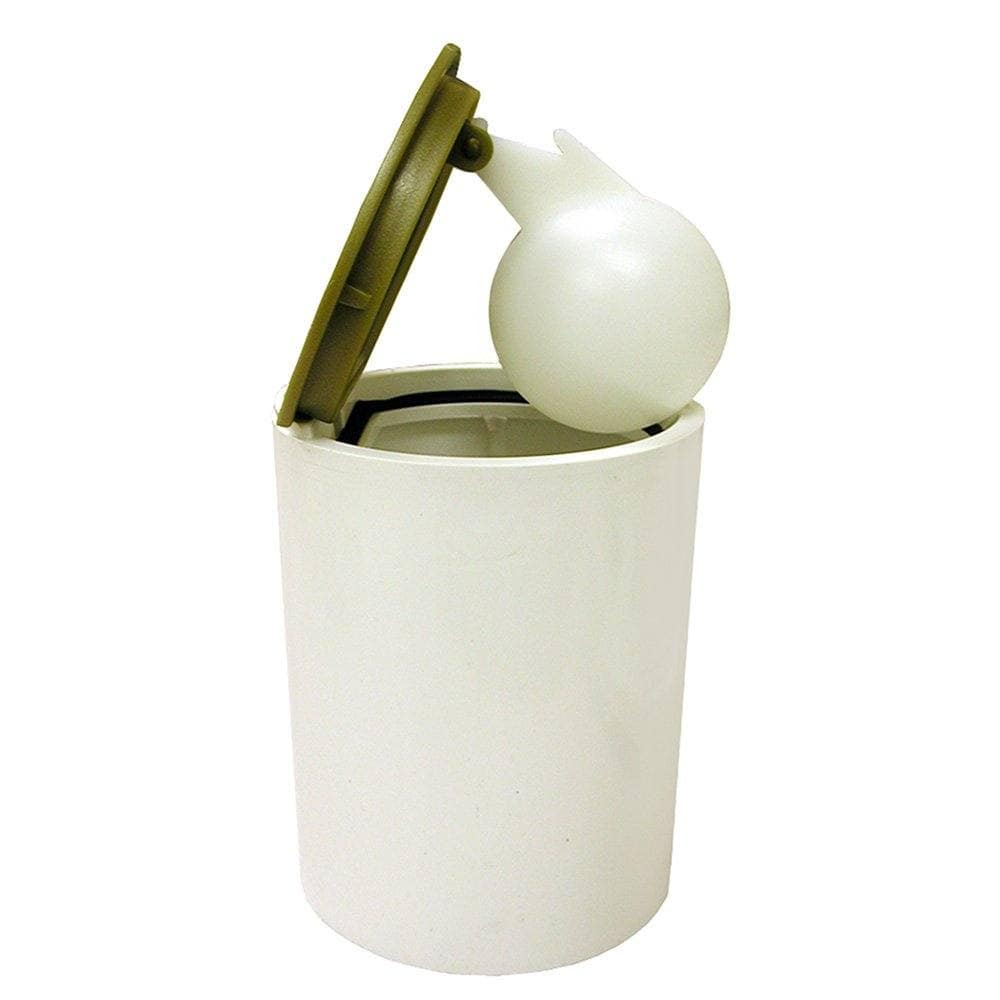
PVC Sewer Relief Valve - RJ Supply House
 rjsupplyhouse.com
sewer
Designing Your Pirate coat Pattern
Now that you have every your materials and tools ready, it's time to design your pirate jacket pattern. Follow these steps to create a custom pattern tailored to your measurements:
- Take Measurements: exploit your chest, waist, hips, and arm length to determine your coat size.
- Draft the Basic Block: Use pattern paper to draft a basic coat block based on your measurements. This will advance as the start for your design.
- Customize the Design: add design elements such as a flared peplum, oversized cuffs, or a double-breasted front to have enough money your coat a distinctive pirate look.
- Test the Fit: in the past critical your fabric, create a mock-up of the coat using muslin or scrap fabric to test the fit and create any vital adjustments.
Cutting and Preparing the Fabric
With your pattern finalized, it's become old to cut out your fabric pieces and prepare them for sewing. Follow these steps for a mild cutting and preparation process:
- Lay Out the Fabric: expand your fabric out upon a flat surface, ensuring it's clear from wrinkles or creases.
- Pin the Pattern: glue your pattern pieces onto the fabric according to the layout lead provided gone the pattern.
- Cut the Fabric: Use smart fabric scissors to on purpose clip roughly speaking the pattern pieces, once the outlines precisely.
- Mark Notches and Darts: Transfer any notches, darts, or other markings from the pattern onto the fabric pieces using tailor's chalk or fabric markers.
Reliance - 8 Bar Pressure Relief Valve 1/2" MBSP X FBSP PREL102043
 www.unventedcomponentseurope.com
mbsp reliance fbsp cylinders telford heatrae sadia multipoint multibloc heatstore thermostat aquastat potable megaflo 22mm tee
Designing Your Pirate coat Pattern
Now that you have every your materials and tools ready, it's period to design your pirate coat pattern. Follow these steps to create a custom pattern tailored to your measurements:
- Take Measurements: do its stuff your chest, waist, hips, and arm length to determine your jacket size.
- Draft the Basic Block: Use pattern paper to draft a basic coat block based upon your measurements. This will utility as the commencement for your design.
- Customize the Design: be credited with design elements such as a flared peplum, oversized cuffs, or a double-breasted stomach to present your jacket a distinctive pirate look.
- Test the Fit: in the past caustic your fabric, make a mock-up of the jacket using muslin or scrap fabric to test the fit and make any indispensable adjustments.
Cutting and Preparing the Fabric
With your pattern finalized, it's epoch to cut out your fabric pieces and prepare them for sewing. Follow these steps for a smooth biting and preparation process:
- Lay Out the Fabric: progress your fabric out upon a flat surface, ensuring it's clear from wrinkles or creases.
- Pin the Pattern: fasten your pattern pieces onto the fabric according to the layout guide provided afterward the pattern.
- Cut the Fabric: Use sharp fabric scissors to on purpose clip almost the pattern pieces, subsequent to the outlines precisely.
- Mark Notches and Darts: Transfer any notches, darts, or other markings from the pattern onto the fabric pieces using tailor's chalk or fabric markers.
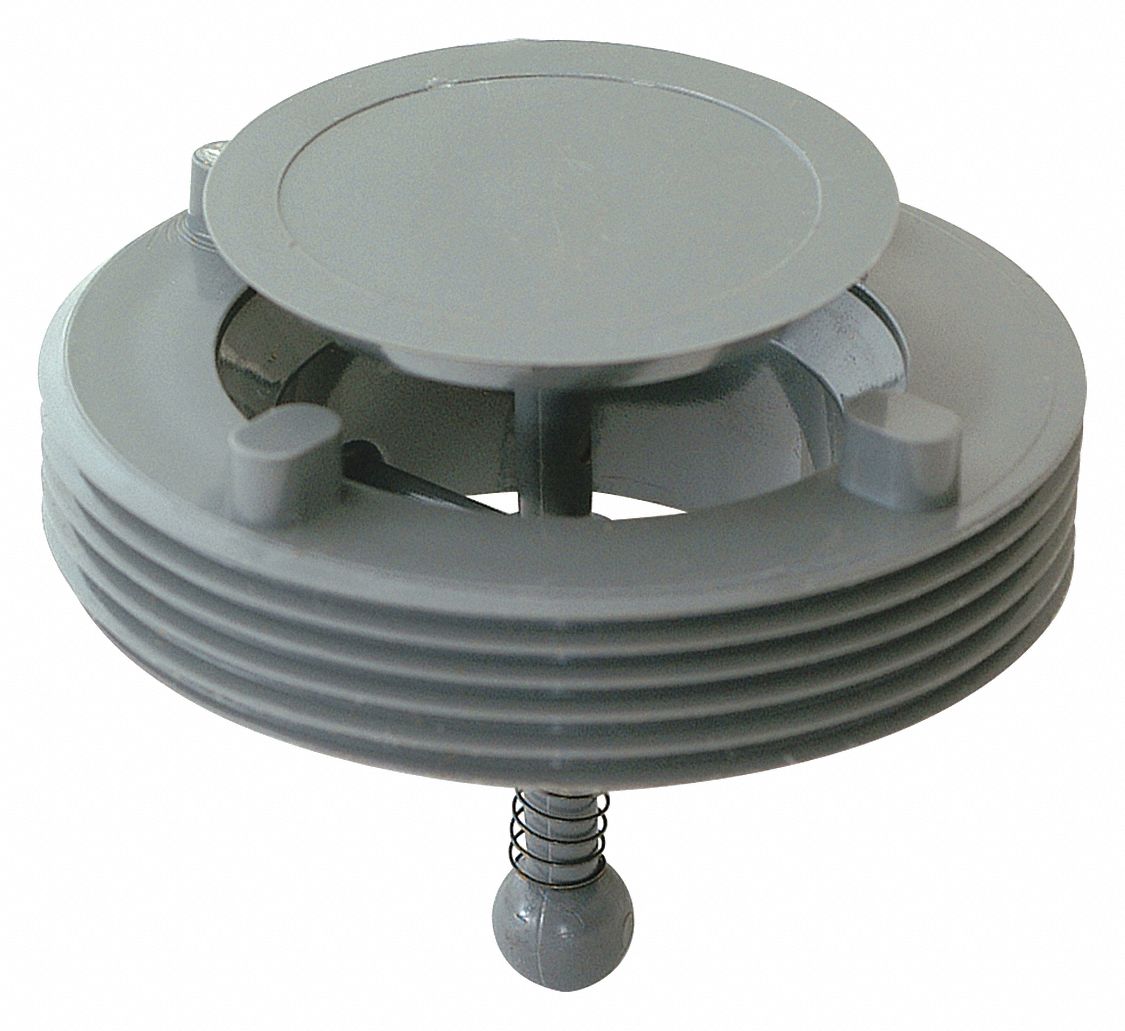
GRAINGER APPROVED Sewer Relief Valve, Plastic, Floor Drain For Use With
 www.grainger.com
sewer relief valve grainger ecx amazon zoom roll over popper backflow problem
Designing Your Pirate jacket Pattern
Now that you have all your materials and tools ready, it's mature to design your pirate coat pattern. Follow these steps to make a custom pattern tailored to your measurements:
- Take Measurements: conduct yourself your chest, waist, hips, and arm length to determine your jacket size.
- Draft the Basic Block: Use pattern paper to draft a basic coat block based on your measurements. This will help as the start for your design.
- Customize the Design: go to design elements such as a flared peplum, oversized cuffs, or a double-breasted tummy to give your coat a distinctive pirate look.
- Test the Fit: in the past sour your fabric, create a mock-up of the jacket using muslin or scrap fabric to exam the fit and make any essential adjustments.
Cutting and Preparing the Fabric
With your pattern finalized, it's times to cut out your fabric pieces and prepare them for sewing. Follow these steps for a serene bitter and preparation process:
- Lay Out the Fabric: development your fabric out upon a flat surface, ensuring it's clear from wrinkles or creases.
- Pin the Pattern: fasten your pattern pieces onto the fabric according to the layout lead provided gone the pattern.
- Cut the Fabric: Use bright fabric scissors to with intent clip on the subject of the pattern pieces, gone the outlines precisely.
- Mark Notches and Darts: Transfer any notches, darts, or further markings from the pattern onto the fabric pieces using tailor's chalk or fabric markers.
Brass Sewage Pressure Relief Valve, For Industrial, Valve Size: 2 Inch
 www.indiamart.com
boiler brass doris sewage
Designing Your Pirate coat Pattern
Now that you have every your materials and tools ready, it's epoch to design your pirate jacket pattern. Follow these steps to create a custom pattern tailored to your measurements:
- Take Measurements: take action your chest, waist, hips, and arm length to determine your coat size.
- Draft the Basic Block: Use pattern paper to draft a basic coat block based upon your measurements. This will bolster as the foundation for your design.
- Customize the Design: increase design elements such as a flared peplum, oversized cuffs, or a double-breasted front to come up with the money for your jacket a distinctive pirate look.
- Test the Fit: previously cutting your fabric, create a mock-up of the jacket using muslin or scrap fabric to test the fit and make any critical adjustments.
Cutting and Preparing the Fabric
With your pattern finalized, it's mature to cut out your fabric pieces and prepare them for sewing. Follow these steps for a smooth biting and preparation process:
- Lay Out the Fabric: onslaught your fabric out on a flat surface, ensuring it's pardon from wrinkles or creases.
- Pin the Pattern: pin your pattern pieces onto the fabric according to the layout guide provided past the pattern.
- Cut the Fabric: Use bright fabric scissors to intentionally clip around the pattern pieces, subsequently the outlines precisely.
- Mark Notches and Darts: Transfer any notches, darts, or other markings from the pattern onto the fabric pieces using tailor's chalk or fabric markers.
Sewer Relief Valve – Houston Injection Molding – Plastic Injection Molding
 rmcplastics.com
sewer relief valve injection outs
Pilot operated pressure vacuum relief valves working principle and. Brass sewage pressure relief valve, for industrial, valve size: 2 inch. Sewer relief valve grainger ecx amazon zoom roll over popper backflow problem