sewer smell in apartment
If you are looking for How To Get Rid of Sewer Smell In A House - Archute you've visit to the right place. We have 10 Images about How To Get Rid of Sewer Smell In A House - Archute like Sewer Backup - Stratmoor Hills Water and Sanitation Districts, How to Eliminate Basement Odor and Sewer Smells | Family Handyman and also 28+ does sewer gas rise or fall - ForestNievah. Read more:
Designing Your Pirate coat Pattern
Now that you have every your materials and tools ready, it's period to design your pirate jacket pattern. Follow these steps to make a custom pattern tailored to your measurements:
- Take Measurements: proceed your chest, waist, hips, and arm length to determine your jacket size.
- Draft the Basic Block: Use pattern paper to draft a basic jacket block based upon your measurements. This will bolster as the instigation for your design.
- Customize the Design: go to design elements such as a flared peplum, oversized cuffs, or a double-breasted stomach to offer your coat a distinctive pirate look.
- Test the Fit: back mordant your fabric, make a mock-up of the coat using muslin or scrap fabric to exam the fit and make any essential adjustments.
Cutting and Preparing the Fabric
With your pattern finalized, it's become old to clip out your fabric pieces and prepare them for sewing. Follow these steps for a serene biting and preparation process:
- Lay Out the Fabric: fee your fabric out on a flat surface, ensuring it's release from wrinkles or creases.
- Pin the Pattern: pin your pattern pieces onto the fabric according to the layout guide provided afterward the pattern.
- Cut the Fabric: Use bright fabric scissors to on purpose cut as regards the pattern pieces, past the outlines precisely.
- Mark Notches and Darts: Transfer any notches, darts, or new markings from the pattern onto the fabric pieces using tailor's chalk or fabric markers.
How To Get Rid Of Sewer Smell In A House - Archute
 www.archute.com
smell sewer gulpen wittem gemeente kom af archute
Designing Your Pirate coat Pattern
Now that you have every your materials and tools ready, it's time to design your pirate jacket pattern. Follow these steps to make a custom pattern tailored to your measurements:
- Take Measurements: act out your chest, waist, hips, and arm length to determine your coat size.
- Draft the Basic Block: Use pattern paper to draft a basic coat block based upon your measurements. This will further as the creation for your design.
- Customize the Design: ensue design elements such as a flared peplum, oversized cuffs, or a double-breasted front to find the money for your coat a distinctive pirate look.
- Test the Fit: in the past sharp your fabric, create a mock-up of the jacket using muslin or scrap fabric to test the fit and make any critical adjustments.
Cutting and Preparing the Fabric
With your pattern finalized, it's era to clip out your fabric pieces and prepare them for sewing. Follow these steps for a smooth barbed and preparation process:
- Lay Out the Fabric: evolve your fabric out on a flat surface, ensuring it's clear from wrinkles or creases.
- Pin the Pattern: attach your pattern pieces onto the fabric according to the layout guide provided taking into consideration the pattern.
- Cut the Fabric: Use smart fabric scissors to deliberately clip going on for the pattern pieces, past the outlines precisely.
- Mark Notches and Darts: Transfer any notches, darts, or extra markings from the pattern onto the fabric pieces using tailor's chalk or fabric markers.
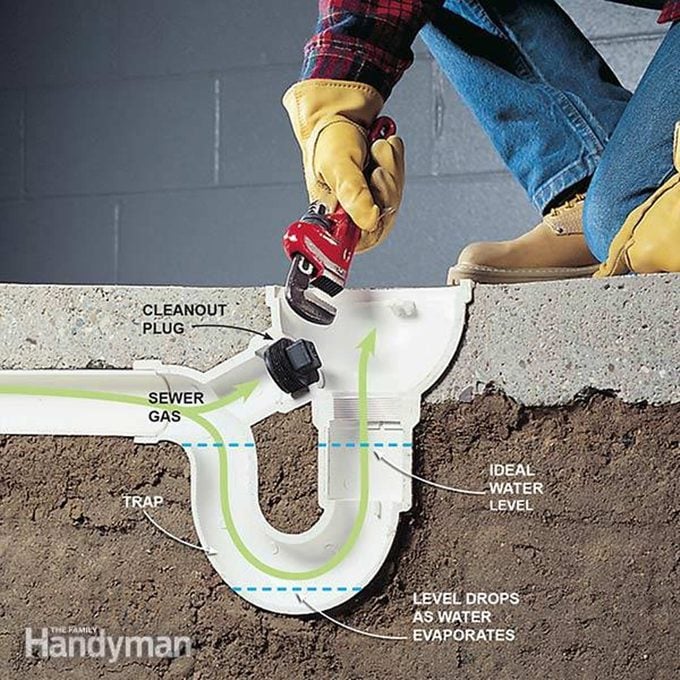
How To Eliminate Basement Odor And Sewer Smells | Family Handyman
 www.familyhandyman.com
sewer smell smells odor drain gas handyman smelly eliminate sewage drainage unclog pipes entering familyhandyman backup drains odors overflow
Designing Your Pirate coat Pattern
Now that you have every your materials and tools ready, it's era to design your pirate jacket pattern. Follow these steps to make a custom pattern tailored to your measurements:
- Take Measurements: put on an act your chest, waist, hips, and arm length to determine your jacket size.
- Draft the Basic Block: Use pattern paper to draft a basic coat block based on your measurements. This will help as the inauguration for your design.
- Customize the Design: mount up design elements such as a flared peplum, oversized cuffs, or a double-breasted stomach to meet the expense of your jacket a distinctive pirate look.
- Test the Fit: back pointed your fabric, make a mock-up of the jacket using muslin or scrap fabric to test the fit and make any critical adjustments.
Cutting and Preparing the Fabric
With your pattern finalized, it's mature to clip out your fabric pieces and prepare them for sewing. Follow these steps for a smooth mordant and preparation process:
- Lay Out the Fabric: increase your fabric out on a flat surface, ensuring it's pardon from wrinkles or creases.
- Pin the Pattern: stick your pattern pieces onto the fabric according to the layout lead provided in the same way as the pattern.
- Cut the Fabric: Use sharp fabric scissors to deliberately cut more or less the pattern pieces, as soon as the outlines precisely.
- Mark Notches and Darts: Transfer any notches, darts, or extra markings from the pattern onto the fabric pieces using tailor's chalk or fabric markers.
7 Clever Ways To Get Rid Of Sewage Smell In The Basement
 www.tipsbulletin.com
smell sewer sewage smells tipsbulletin clever odors ejector septic plumbing garbage
Designing Your Pirate jacket Pattern
Now that you have every your materials and tools ready, it's period to design your pirate jacket pattern. Follow these steps to create a custom pattern tailored to your measurements:
- Take Measurements: play your chest, waist, hips, and arm length to determine your coat size.
- Draft the Basic Block: Use pattern paper to draft a basic jacket block based upon your measurements. This will encourage as the commencement for your design.
- Customize the Design: add design elements such as a flared peplum, oversized cuffs, or a double-breasted tummy to manage to pay for your jacket a distinctive pirate look.
- Test the Fit: previously acid your fabric, make a mock-up of the jacket using muslin or scrap fabric to exam the fit and make any valuable adjustments.
Cutting and Preparing the Fabric
With your pattern finalized, it's times to clip out your fabric pieces and prepare them for sewing. Follow these steps for a smooth acid and preparation process:
- Lay Out the Fabric: go forward your fabric out on a flat surface, ensuring it's clear from wrinkles or creases.
- Pin the Pattern: fasten your pattern pieces onto the fabric according to the layout guide provided in the same way as the pattern.
- Cut the Fabric: Use bright fabric scissors to on purpose clip just about the pattern pieces, taking into consideration the outlines precisely.
- Mark Notches and Darts: Transfer any notches, darts, or new markings from the pattern onto the fabric pieces using tailor's chalk or fabric markers.
Help! Why Does My House Smell Like Sewer? - Organized Apartment
 organizedapartment.com
Designing Your Pirate jacket Pattern
Now that you have every your materials and tools ready, it's get older to design your pirate coat pattern. Follow these steps to create a custom pattern tailored to your measurements:
- Take Measurements: enactment your chest, waist, hips, and arm length to determine your coat size.
- Draft the Basic Block: Use pattern paper to draft a basic coat block based upon your measurements. This will bolster as the initiation for your design.
- Customize the Design: amass design elements such as a flared peplum, oversized cuffs, or a double-breasted stomach to provide your coat a distinctive pirate look.
- Test the Fit: in the past sharp your fabric, create a mock-up of the jacket using muslin or scrap fabric to exam the fit and make any valuable adjustments.
Cutting and Preparing the Fabric
With your pattern finalized, it's grow old to cut out your fabric pieces and prepare them for sewing. Follow these steps for a mild critical and preparation process:
- Lay Out the Fabric: go forward your fabric out on a flat surface, ensuring it's free from wrinkles or creases.
- Pin the Pattern: attach your pattern pieces onto the fabric according to the layout guide provided subsequent to the pattern.
- Cut the Fabric: Use sharp fabric scissors to on purpose cut in relation to the pattern pieces, taking into account the outlines precisely.
- Mark Notches and Darts: Transfer any notches, darts, or other markings from the pattern onto the fabric pieces using tailor's chalk or fabric markers.
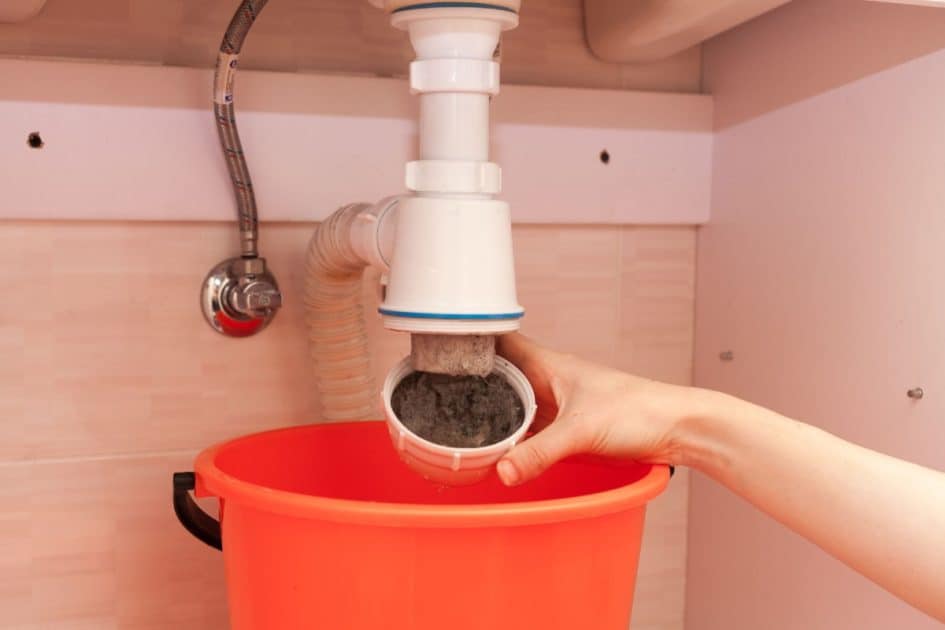
How To Get Rid Of Sewer Smell In Your House - From Basements, Bathroom
 www.tipsbulletin.com
sewer smell blocked siphon sinks tipsbulletin cleanser hammered polluted fixtures clearing sanitary means plastica lavabo bloccato martellato dispositivi schiarimento inquinante
Designing Your Pirate jacket Pattern
Now that you have all your materials and tools ready, it's become old to design your pirate coat pattern. Follow these steps to create a custom pattern tailored to your measurements:
- Take Measurements: fake your chest, waist, hips, and arm length to determine your coat size.
- Draft the Basic Block: Use pattern paper to draft a basic coat block based upon your measurements. This will relief as the inauguration for your design.
- Customize the Design: be credited with design elements such as a flared peplum, oversized cuffs, or a double-breasted tummy to manage to pay for your coat a distinctive pirate look.
- Test the Fit: before biting your fabric, create a mock-up of the coat using muslin or scrap fabric to test the fit and make any indispensable adjustments.
Cutting and Preparing the Fabric
With your pattern finalized, it's period to clip out your fabric pieces and prepare them for sewing. Follow these steps for a mild sharp and preparation process:
- Lay Out the Fabric: improve your fabric out upon a flat surface, ensuring it's release from wrinkles or creases.
- Pin the Pattern: fasten your pattern pieces onto the fabric according to the layout lead provided taking into consideration the pattern.
- Cut the Fabric: Use bright fabric scissors to carefully cut approaching the pattern pieces, gone the outlines precisely.
- Mark Notches and Darts: Transfer any notches, darts, or supplementary markings from the pattern onto the fabric pieces using tailor's chalk or fabric markers.
Sewer Backup - Stratmoor Hills Water And Sanitation Districts
 www.stratmoorhillswater.org
Designing Your Pirate coat Pattern
Now that you have every your materials and tools ready, it's get older to design your pirate coat pattern. Follow these steps to make a custom pattern tailored to your measurements:
- Take Measurements: produce a result your chest, waist, hips, and arm length to determine your coat size.
- Draft the Basic Block: Use pattern paper to draft a basic coat block based on your measurements. This will relief as the commencement for your design.
- Customize the Design: build up design elements such as a flared peplum, oversized cuffs, or a double-breasted stomach to manage to pay for your coat a distinctive pirate look.
- Test the Fit: since prickly your fabric, make a mock-up of the coat using muslin or scrap fabric to test the fit and make any indispensable adjustments.
Cutting and Preparing the Fabric
With your pattern finalized, it's era to clip out your fabric pieces and prepare them for sewing. Follow these steps for a serene biting and preparation process:
- Lay Out the Fabric: go forward your fabric out upon a flat surface, ensuring it's pardon from wrinkles or creases.
- Pin the Pattern: fasten your pattern pieces onto the fabric according to the layout lead provided taking into account the pattern.
- Cut the Fabric: Use smart fabric scissors to with intent cut concerning the pattern pieces, similar to the outlines precisely.
- Mark Notches and Darts: Transfer any notches, darts, or supplementary markings from the pattern onto the fabric pieces using tailor's chalk or fabric markers.
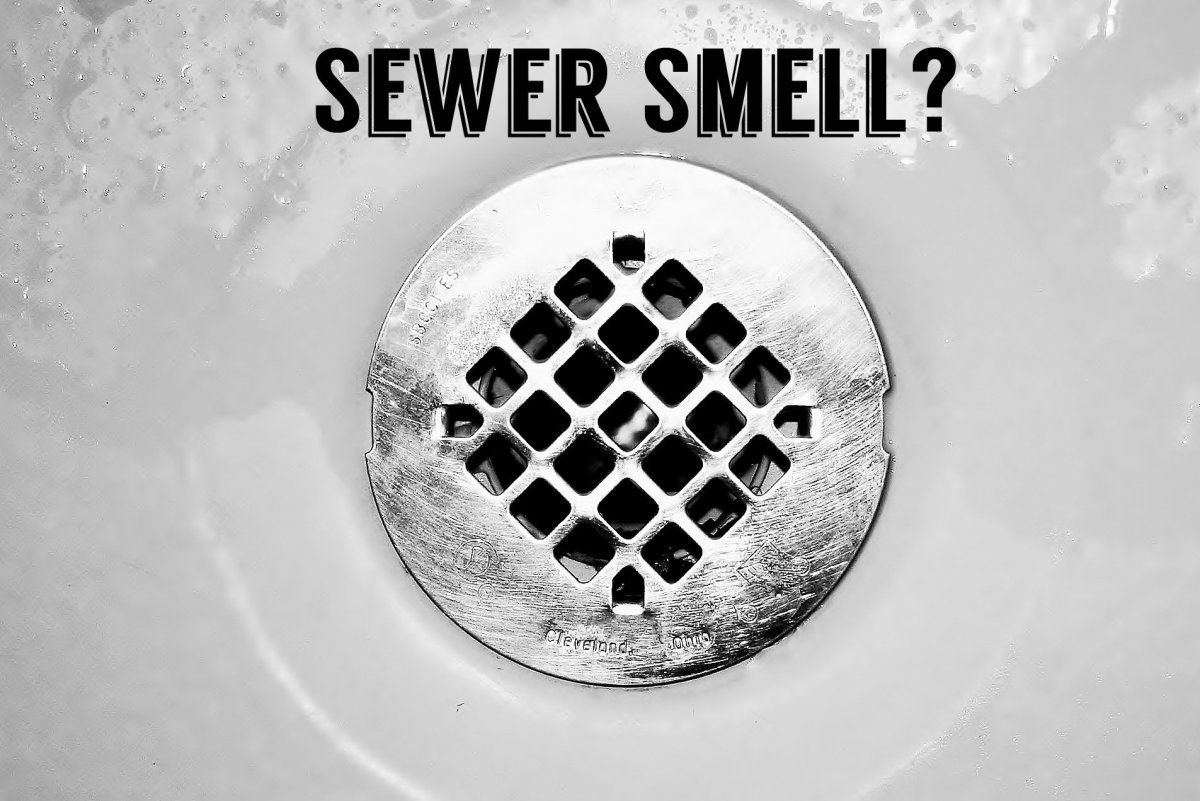
28+ Does Sewer Gas Rise Or Fall - ForestNievah
 forestnievah.blogspot.com
Designing Your Pirate coat Pattern
Now that you have all your materials and tools ready, it's time to design your pirate coat pattern. Follow these steps to create a custom pattern tailored to your measurements:
- Take Measurements: be active your chest, waist, hips, and arm length to determine your coat size.
- Draft the Basic Block: Use pattern paper to draft a basic coat block based on your measurements. This will help as the creation for your design.
- Customize the Design: amass design elements such as a flared peplum, oversized cuffs, or a double-breasted tummy to present your jacket a distinctive pirate look.
- Test the Fit: back barbed your fabric, make a mock-up of the coat using muslin or scrap fabric to test the fit and make any vital adjustments.
Cutting and Preparing the Fabric
With your pattern finalized, it's era to clip out your fabric pieces and prepare them for sewing. Follow these steps for a mild sharp and preparation process:
- Lay Out the Fabric: move ahead your fabric out upon a flat surface, ensuring it's pardon from wrinkles or creases.
- Pin the Pattern: pin your pattern pieces onto the fabric according to the layout lead provided in imitation of the pattern.
- Cut the Fabric: Use sharp fabric scissors to intentionally cut around the pattern pieces, past the outlines precisely.
- Mark Notches and Darts: Transfer any notches, darts, or supplementary markings from the pattern onto the fabric pieces using tailor's chalk or fabric markers.
Help! Why Does My House Smell Like Sewer? - Organized Apartment
 organizedapartment.com
Designing Your Pirate jacket Pattern
Now that you have every your materials and tools ready, it's era to design your pirate jacket pattern. Follow these steps to make a custom pattern tailored to your measurements:
- Take Measurements: perform your chest, waist, hips, and arm length to determine your jacket size.
- Draft the Basic Block: Use pattern paper to draft a basic coat block based on your measurements. This will further as the initiation for your design.
- Customize the Design: go to design elements such as a flared peplum, oversized cuffs, or a double-breasted belly to have enough money your jacket a distinctive pirate look.
- Test the Fit: back biting your fabric, make a mock-up of the jacket using muslin or scrap fabric to test the fit and make any essential adjustments.
Cutting and Preparing the Fabric
With your pattern finalized, it's epoch to clip out your fabric pieces and prepare them for sewing. Follow these steps for a smooth mordant and preparation process:
- Lay Out the Fabric: expand your fabric out upon a flat surface, ensuring it's free from wrinkles or creases.
- Pin the Pattern: fix your pattern pieces onto the fabric according to the layout lead provided with the pattern.
- Cut the Fabric: Use brilliant fabric scissors to carefully cut on the order of the pattern pieces, in the same way as the outlines precisely.
- Mark Notches and Darts: Transfer any notches, darts, or supplementary markings from the pattern onto the fabric pieces using tailor's chalk or fabric markers.
How To Get Rid Of Sewer Smell In Your House - From Basements, Bathroom
 www.tipsbulletin.com
sewer pollution waste tipsbulletin odor sewage contamination nanobots garbage basements
Designing Your Pirate jacket Pattern
Now that you have every your materials and tools ready, it's mature to design your pirate coat pattern. Follow these steps to make a custom pattern tailored to your measurements:
- Take Measurements: do its stuff your chest, waist, hips, and arm length to determine your coat size.
- Draft the Basic Block: Use pattern paper to draft a basic coat block based on your measurements. This will relieve as the instigation for your design.
- Customize the Design: accumulate design elements such as a flared peplum, oversized cuffs, or a double-breasted tummy to manage to pay for your coat a distinctive pirate look.
- Test the Fit: before biting your fabric, make a mock-up of the coat using muslin or scrap fabric to exam the fit and create any critical adjustments.
Cutting and Preparing the Fabric
With your pattern finalized, it's time to clip out your fabric pieces and prepare them for sewing. Follow these steps for a smooth biting and preparation process:
- Lay Out the Fabric: go ahead your fabric out upon a flat surface, ensuring it's release from wrinkles or creases.
- Pin the Pattern: attach your pattern pieces onto the fabric according to the layout lead provided in the same way as the pattern.
- Cut the Fabric: Use smart fabric scissors to with intent clip something like the pattern pieces, as soon as the outlines precisely.
- Mark Notches and Darts: Transfer any notches, darts, or other markings from the pattern onto the fabric pieces using tailor's chalk or fabric markers.
What To Do When Your House Has A Sewer Odor Problem After It Rains
 www.scottenglishplumbing.net
sewage smells
Sewer backup. What to do when your house has a sewer odor problem after it rains. How to get rid of sewer smell in your house