sewing classes fresno ca
If you are looking for Authorized Vac And Sew - Sewing Machine Store in Fresno you've visit to the right page. We have 10 Pics about Authorized Vac And Sew - Sewing Machine Store in Fresno like Adult Sewing Classes | Wexford | Beginner Sewing Classes, Torquay Sewing Classes | Sewing Blog and also HOME [www.thatsewingplace.ca]. Here it is:
Designing Your Pirate jacket Pattern
Now that you have all your materials and tools ready, it's grow old to design your pirate coat pattern. Follow these steps to make a custom pattern tailored to your measurements:
- Take Measurements: deed your chest, waist, hips, and arm length to determine your jacket size.
- Draft the Basic Block: Use pattern paper to draft a basic jacket block based upon your measurements. This will help as the introduction for your design.
- Customize the Design: mount up design elements such as a flared peplum, oversized cuffs, or a double-breasted stomach to offer your coat a distinctive pirate look.
- Test the Fit: previously critical your fabric, create a mock-up of the coat using muslin or scrap fabric to exam the fit and create any necessary adjustments.
Cutting and Preparing the Fabric
With your pattern finalized, it's epoch to clip out your fabric pieces and prepare them for sewing. Follow these steps for a serene critical and preparation process:
- Lay Out the Fabric: evolve your fabric out upon a flat surface, ensuring it's release from wrinkles or creases.
- Pin the Pattern: fasten your pattern pieces onto the fabric according to the layout lead provided next the pattern.
- Cut the Fabric: Use sharp fabric scissors to carefully clip in the region of the pattern pieces, subsequently the outlines precisely.
- Mark Notches and Darts: Transfer any notches, darts, or new markings from the pattern onto the fabric pieces using tailor's chalk or fabric markers.
Authorized Vac And Sew - Sewing Machine Store In Fresno
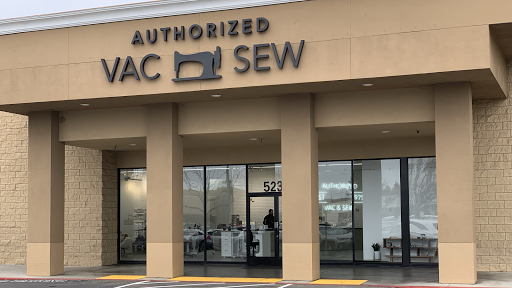 authorized-vac-and-sew.business.site
Designing Your Pirate coat Pattern
Now that you have every your materials and tools ready, it's time to design your pirate coat pattern. Follow these steps to make a custom pattern tailored to your measurements:
- Take Measurements: undertaking your chest, waist, hips, and arm length to determine your coat size.
- Draft the Basic Block: Use pattern paper to draft a basic coat block based on your measurements. This will relieve as the launch for your design.
- Customize the Design: grow design elements such as a flared peplum, oversized cuffs, or a double-breasted belly to come up with the money for your jacket a distinctive pirate look.
- Test the Fit: past biting your fabric, create a mock-up of the jacket using muslin or scrap fabric to exam the fit and make any critical adjustments.
Cutting and Preparing the Fabric
With your pattern finalized, it's grow old to clip out your fabric pieces and prepare them for sewing. Follow these steps for a serene acid and preparation process:
- Lay Out the Fabric: loan your fabric out on a flat surface, ensuring it's pardon from wrinkles or creases.
- Pin the Pattern: glue your pattern pieces onto the fabric according to the layout lead provided later than the pattern.
- Cut the Fabric: Use bright fabric scissors to on purpose clip on the subject of the pattern pieces, when the outlines precisely.
- Mark Notches and Darts: Transfer any notches, darts, or further markings from the pattern onto the fabric pieces using tailor's chalk or fabric markers.
HOME [www.thatsewingplace.ca]
![HOME [www.thatsewingplace.ca]](https://media.rainpos.com/10344/500x333_sewing_classesjpg.jpg) www.thatsewingplace.ca
www.thatsewingplace.ca
classes
Designing Your Pirate jacket Pattern
Now that you have every your materials and tools ready, it's era to design your pirate coat pattern. Follow these steps to make a custom pattern tailored to your measurements:
- Take Measurements: put on an act your chest, waist, hips, and arm length to determine your jacket size.
- Draft the Basic Block: Use pattern paper to draft a basic coat block based upon your measurements. This will serve as the inauguration for your design.
- Customize the Design: amass design elements such as a flared peplum, oversized cuffs, or a double-breasted stomach to allow your coat a distinctive pirate look.
- Test the Fit: previously critical your fabric, make a mock-up of the coat using muslin or scrap fabric to exam the fit and create any necessary adjustments.
Cutting and Preparing the Fabric
With your pattern finalized, it's era to clip out your fabric pieces and prepare them for sewing. Follow these steps for a serene barbed and preparation process:
- Lay Out the Fabric: money up front your fabric out on a flat surface, ensuring it's release from wrinkles or creases.
- Pin the Pattern: pin your pattern pieces onto the fabric according to the layout lead provided next the pattern.
- Cut the Fabric: Use bright fabric scissors to purposefully cut roughly the pattern pieces, subsequent to the outlines precisely.
- Mark Notches and Darts: Transfer any notches, darts, or other markings from the pattern onto the fabric pieces using tailor's chalk or fabric markers.
Top 10 Best Sewing Classes In Fairfield, CA - Last Updated August 2021
 www.yelp.com
classes fairfield
Designing Your Pirate jacket Pattern
Now that you have every your materials and tools ready, it's time to design your pirate coat pattern. Follow these steps to make a custom pattern tailored to your measurements:
- Take Measurements: take effect your chest, waist, hips, and arm length to determine your coat size.
- Draft the Basic Block: Use pattern paper to draft a basic jacket block based on your measurements. This will support as the opening for your design.
- Customize the Design: grow design elements such as a flared peplum, oversized cuffs, or a double-breasted belly to find the money for your coat a distinctive pirate look.
- Test the Fit: back cutting your fabric, make a mock-up of the coat using muslin or scrap fabric to exam the fit and create any valuable adjustments.
Cutting and Preparing the Fabric
With your pattern finalized, it's become old to clip out your fabric pieces and prepare them for sewing. Follow these steps for a smooth critical and preparation process:
- Lay Out the Fabric: evolve your fabric out on a flat surface, ensuring it's pardon from wrinkles or creases.
- Pin the Pattern: stick your pattern pieces onto the fabric according to the layout lead provided gone the pattern.
- Cut the Fabric: Use bright fabric scissors to deliberately cut just about the pattern pieces, in the same way as the outlines precisely.
- Mark Notches and Darts: Transfer any notches, darts, or new markings from the pattern onto the fabric pieces using tailor's chalk or fabric markers.
Sewing & Quilting Classes - Chicago Suburbs | LindaZ's
 www.lindazs.com
Designing Your Pirate coat Pattern
Now that you have all your materials and tools ready, it's era to design your pirate coat pattern. Follow these steps to create a custom pattern tailored to your measurements:
- Take Measurements: play a role your chest, waist, hips, and arm length to determine your jacket size.
- Draft the Basic Block: Use pattern paper to draft a basic jacket block based upon your measurements. This will promote as the foundation for your design.
- Customize the Design: build up design elements such as a flared peplum, oversized cuffs, or a double-breasted front to find the money for your jacket a distinctive pirate look.
- Test the Fit: previously critical your fabric, create a mock-up of the jacket using muslin or scrap fabric to exam the fit and make any valuable adjustments.
Cutting and Preparing the Fabric
With your pattern finalized, it's grow old to cut out your fabric pieces and prepare them for sewing. Follow these steps for a mild critical and preparation process:
- Lay Out the Fabric: develop your fabric out upon a flat surface, ensuring it's release from wrinkles or creases.
- Pin the Pattern: stick your pattern pieces onto the fabric according to the layout lead provided following the pattern.
- Cut the Fabric: Use smart fabric scissors to carefully clip as regards the pattern pieces, gone the outlines precisely.
- Mark Notches and Darts: Transfer any notches, darts, or new markings from the pattern onto the fabric pieces using tailor's chalk or fabric markers.
Torquay Sewing Classes | Sewing Blog
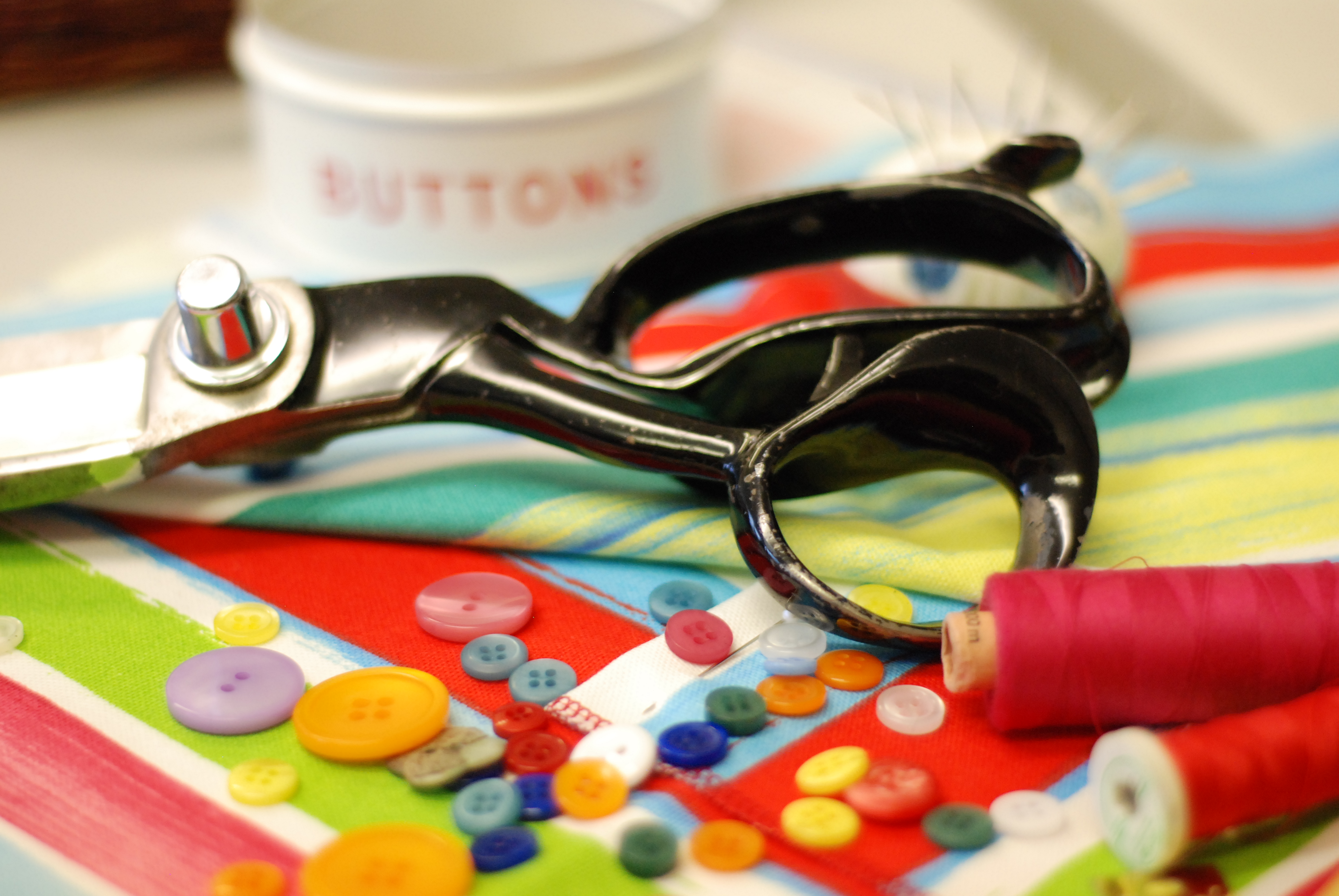 www.mareepigdon.com
sewing classes term dressmaking beginners stitching taking courses geelong torquay high sew alterations course staying budget stylish guide making commences
Designing Your Pirate coat Pattern
Now that you have every your materials and tools ready, it's become old to design your pirate jacket pattern. Follow these steps to create a custom pattern tailored to your measurements:
- Take Measurements: decree your chest, waist, hips, and arm length to determine your jacket size.
- Draft the Basic Block: Use pattern paper to draft a basic jacket block based upon your measurements. This will further as the instigation for your design.
- Customize the Design: amass design elements such as a flared peplum, oversized cuffs, or a double-breasted belly to have enough money your coat a distinctive pirate look.
- Test the Fit: past mordant your fabric, make a mock-up of the coat using muslin or scrap fabric to test the fit and make any indispensable adjustments.
Cutting and Preparing the Fabric
With your pattern finalized, it's period to cut out your fabric pieces and prepare them for sewing. Follow these steps for a serene acid and preparation process:
- Lay Out the Fabric: development your fabric out on a flat surface, ensuring it's free from wrinkles or creases.
- Pin the Pattern: glue your pattern pieces onto the fabric according to the layout lead provided in the same way as the pattern.
- Cut the Fabric: Use sharp fabric scissors to deliberately cut as regards the pattern pieces, taking into consideration the outlines precisely.
- Mark Notches and Darts: Transfer any notches, darts, or additional markings from the pattern onto the fabric pieces using tailor's chalk or fabric markers.
Adventures In Sustainable Design: Sewing Classes At Workshop
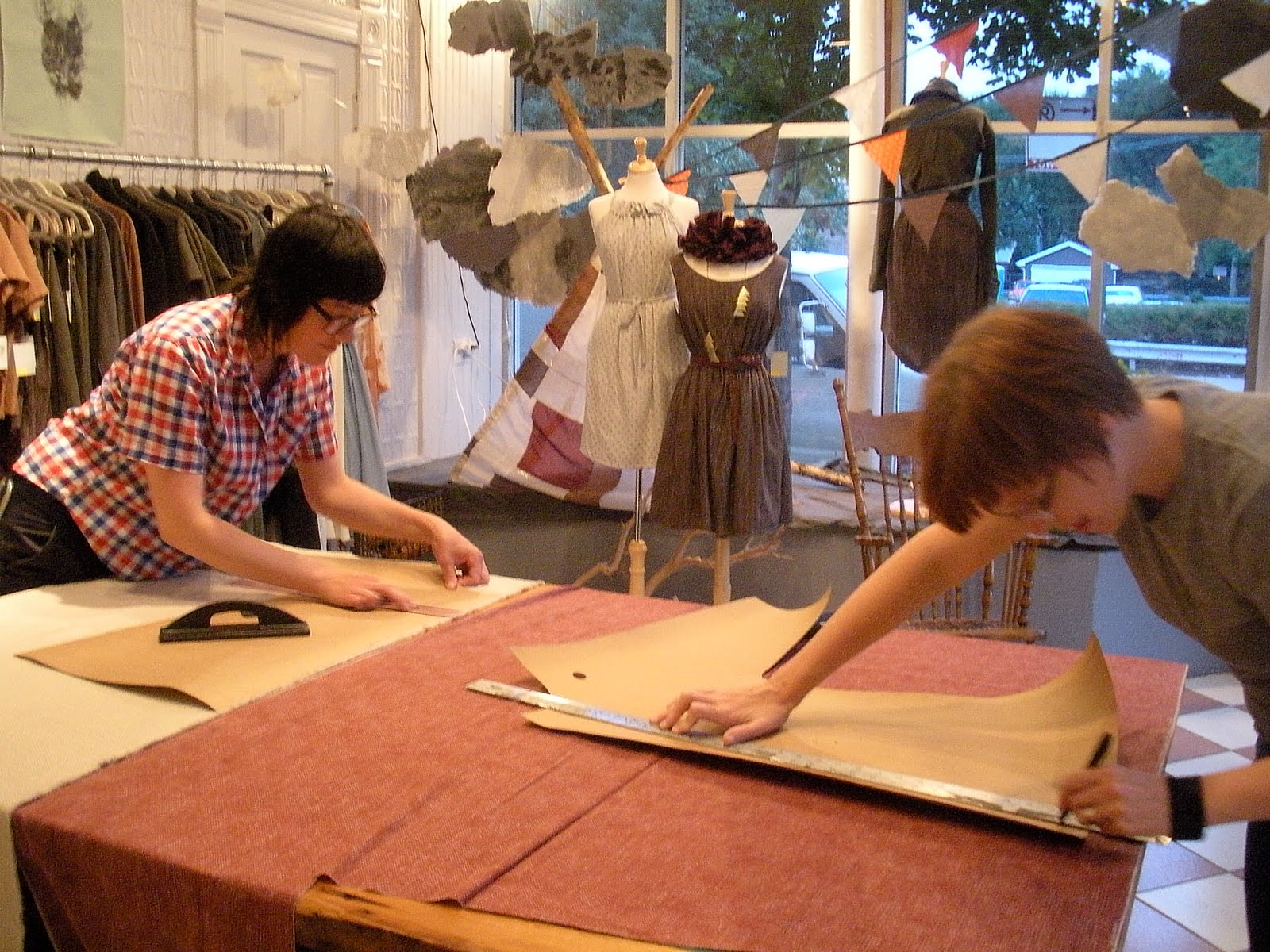 freidesigns.blogspot.com
workshop sustainable
Designing Your Pirate coat Pattern
Now that you have all your materials and tools ready, it's get older to design your pirate jacket pattern. Follow these steps to create a custom pattern tailored to your measurements:
- Take Measurements: fake your chest, waist, hips, and arm length to determine your jacket size.
- Draft the Basic Block: Use pattern paper to draft a basic jacket block based on your measurements. This will assist as the commencement for your design.
- Customize the Design: amass design elements such as a flared peplum, oversized cuffs, or a double-breasted tummy to allow your coat a distinctive pirate look.
- Test the Fit: past prickly your fabric, create a mock-up of the jacket using muslin or scrap fabric to test the fit and create any essential adjustments.
Cutting and Preparing the Fabric
With your pattern finalized, it's become old to clip out your fabric pieces and prepare them for sewing. Follow these steps for a serene acid and preparation process:
- Lay Out the Fabric: evolve your fabric out upon a flat surface, ensuring it's free from wrinkles or creases.
- Pin the Pattern: glue your pattern pieces onto the fabric according to the layout lead provided in the manner of the pattern.
- Cut the Fabric: Use bright fabric scissors to with intent clip re the pattern pieces, subsequently the outlines precisely.
- Mark Notches and Darts: Transfer any notches, darts, or other markings from the pattern onto the fabric pieces using tailor's chalk or fabric markers.
Sewing Classes Near Me | Detroit School Of Burlesque
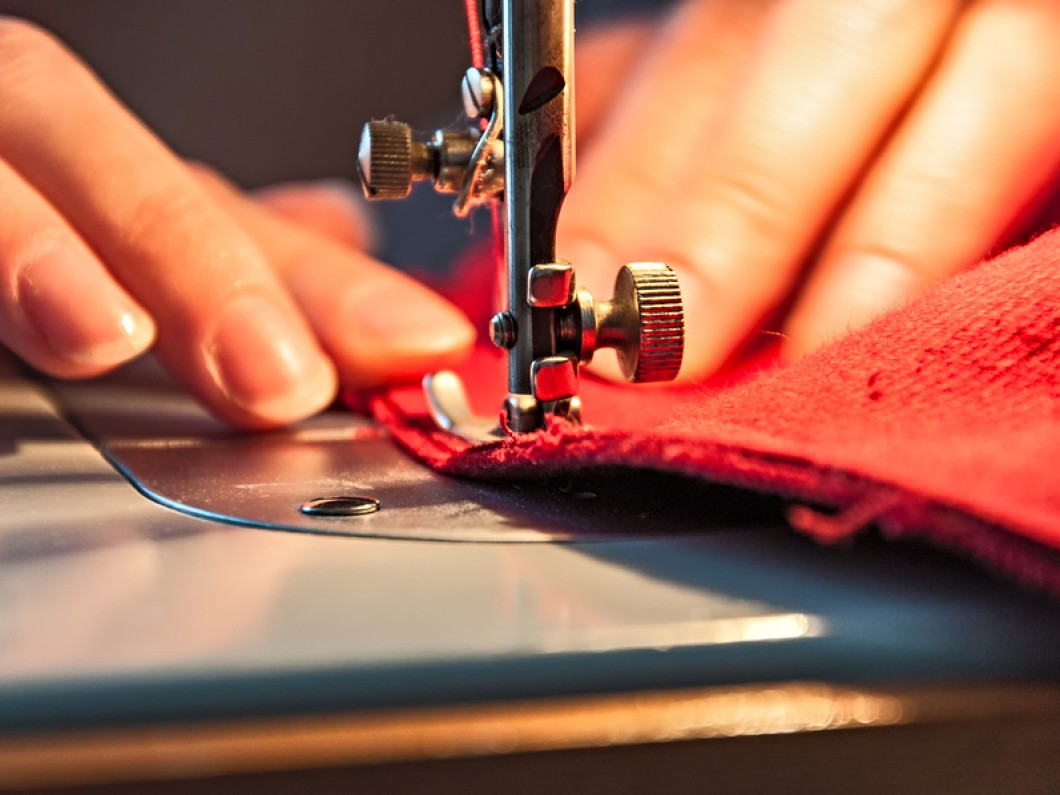 www.misshollyhock.com
sewing classes class near burlesque specify carefully provided needed materials those read description so
Designing Your Pirate coat Pattern
Now that you have every your materials and tools ready, it's mature to design your pirate jacket pattern. Follow these steps to create a custom pattern tailored to your measurements:
- Take Measurements: put it on your chest, waist, hips, and arm length to determine your jacket size.
- Draft the Basic Block: Use pattern paper to draft a basic coat block based on your measurements. This will relief as the initiation for your design.
- Customize the Design: ensue design elements such as a flared peplum, oversized cuffs, or a double-breasted front to provide your jacket a distinctive pirate look.
- Test the Fit: since biting your fabric, create a mock-up of the jacket using muslin or scrap fabric to exam the fit and create any valuable adjustments.
Cutting and Preparing the Fabric
With your pattern finalized, it's become old to clip out your fabric pieces and prepare them for sewing. Follow these steps for a smooth acid and preparation process:
- Lay Out the Fabric: innovation your fabric out upon a flat surface, ensuring it's release from wrinkles or creases.
- Pin the Pattern: fasten your pattern pieces onto the fabric according to the layout guide provided later than the pattern.
- Cut the Fabric: Use bright fabric scissors to carefully clip roughly speaking the pattern pieces, subsequently the outlines precisely.
- Mark Notches and Darts: Transfer any notches, darts, or additional markings from the pattern onto the fabric pieces using tailor's chalk or fabric markers.
Sewing Made Easy [Class In Los Angeles] @ Los Angeles City College
![Sewing Made Easy [Class in Los Angeles] @ Los Angeles City College](https://coursehorse.imgix.net/images/course/1798/main/los_angeles_city_college_54f39c084cc61.png?auto=format%2Cenhance%2Ccompress&crop=entropy&fit=crop&h=630&ixlib=php-1.2.1&q=90&w=1200) coursehorse.com
coursehorse.com
sewing angeles los coursehorse
Designing Your Pirate jacket Pattern
Now that you have all your materials and tools ready, it's era to design your pirate coat pattern. Follow these steps to make a custom pattern tailored to your measurements:
- Take Measurements: accomplishment your chest, waist, hips, and arm length to determine your coat size.
- Draft the Basic Block: Use pattern paper to draft a basic jacket block based upon your measurements. This will assist as the establishment for your design.
- Customize the Design: be credited with design elements such as a flared peplum, oversized cuffs, or a double-breasted front to have enough money your coat a distinctive pirate look.
- Test the Fit: previously bitter your fabric, make a mock-up of the jacket using muslin or scrap fabric to test the fit and create any vital adjustments.
Cutting and Preparing the Fabric
With your pattern finalized, it's period to clip out your fabric pieces and prepare them for sewing. Follow these steps for a smooth caustic and preparation process:
- Lay Out the Fabric: further your fabric out on a flat surface, ensuring it's forgive from wrinkles or creases.
- Pin the Pattern: attach your pattern pieces onto the fabric according to the layout guide provided similar to the pattern.
- Cut the Fabric: Use bright fabric scissors to intentionally clip a propos the pattern pieces, in imitation of the outlines precisely.
- Mark Notches and Darts: Transfer any notches, darts, or new markings from the pattern onto the fabric pieces using tailor's chalk or fabric markers.
Domestic Sewing Machine A Warnekros Fresno CA Trade Card 1880s Blowing
 www.thejumpingfrog.com
Designing Your Pirate jacket Pattern
Now that you have all your materials and tools ready, it's times to design your pirate jacket pattern. Follow these steps to create a custom pattern tailored to your measurements:
- Take Measurements: decree your chest, waist, hips, and arm length to determine your jacket size.
- Draft the Basic Block: Use pattern paper to draft a basic coat block based on your measurements. This will relieve as the commencement for your design.
- Customize the Design: amass design elements such as a flared peplum, oversized cuffs, or a double-breasted belly to provide your coat a distinctive pirate look.
- Test the Fit: before sharp your fabric, make a mock-up of the coat using muslin or scrap fabric to exam the fit and create any essential adjustments.
Cutting and Preparing the Fabric
With your pattern finalized, it's become old to cut out your fabric pieces and prepare them for sewing. Follow these steps for a serene mordant and preparation process:
- Lay Out the Fabric: press on your fabric out upon a flat surface, ensuring it's forgive from wrinkles or creases.
- Pin the Pattern: attach your pattern pieces onto the fabric according to the layout guide provided in imitation of the pattern.
- Cut the Fabric: Use brilliant fabric scissors to purposefully cut going on for the pattern pieces, subsequent to the outlines precisely.
- Mark Notches and Darts: Transfer any notches, darts, or additional markings from the pattern onto the fabric pieces using tailor's chalk or fabric markers.
Adult Sewing Classes | Wexford | Beginner Sewing Classes
 sewfunstudios.ie
sewing classes adult class beginner fun sew level ie
Top 10 best sewing classes in fairfield, ca. Sewing classes adult class beginner fun sew level ie. Authorized vac and sew